- Oct 4, 2023
Unlocking the Potential of Artificial Intelligence in the Workplace
- Trent Cotton
- 0 comments
The influence of artificial intelligence (AI) in the workplace stands as a testament to its transformative potential. This article embarks on a comprehensive exploration of the profound impact of AI, illuminating the dynamic role it plays in reshaping industries, elevating productivity, and fostering a culture of innovation. Within the digital landscape of today, AI’s ascendancy is more than a mere trend—it is a seismic shift that transcends traditional paradigms and reshapes the very essence of work.
AI in the workplace has ceaselessly evolved from an emerging technology to a cornerstone of daily operations. Its manifold contributions have, in essence, rewired the DNA of modern enterprises. This transformation is most evident in three key facets: efficiency, data-driven decision-making, and the personalization of customer experiences.
By automating repetitive tasks and optimizing workflows, AI is unlocking new levels of operational efficiency. Moreover, the ability to process colossal datasets at unprecedented speeds has bestowed upon businesses the power of data-driven decision-making. Real-time insights, facilitated by AI, have become the compass guiding the voyage to success.
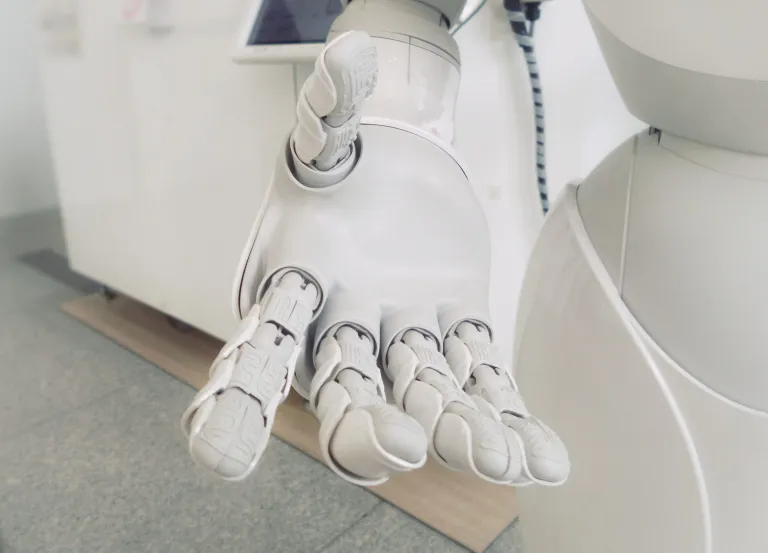
The Role of AI in Modern Businesses
Artificial intelligence in the workplace has rapidly become an indispensable tool for businesses across the globe. It has transcended its status as a mere technological innovation and has now become an integral part of daily operations. Here’s how AI is making a significant difference:
1. Enhancing Efficiency
AI-powered tools and algorithms are streamlining processes, reducing manual tasks, and automating repetitive work. This results in increased operational efficiency, allowing companies to allocate resources more effectively.
2. Data-Driven Decision Making
With the ability to process vast amounts of data at lightning speed, AI enables data-driven decision-making. This empowers businesses to make informed choices based on real-time insights, ultimately leading to better outcomes.
3. Personalized Customer Experiences
AI-driven personalization is changing the way companies interact with customers. From recommendation engines to chatbots, AI is creating personalized experiences that enhance customer satisfaction and loyalty.
The Impact on Various Industries
AI’s influence extends across a multitude of industries, revolutionizing the way they operate. Here are some of the impacts on key sectors in the market according to Indeed’s Hiring Lab.
1. Healthcare
In the healthcare sector, AI is aiding in disease diagnosis, drug discovery, and patient care. AI algorithms can analyze medical data with unprecedented precision, leading to quicker diagnoses and more effective treatments.
2. Finance
Financial institutions are leveraging AI for fraud detection, algorithmic trading, and customer service. AI’s ability to detect anomalies and patterns in financial data is helping to safeguard assets and improve customer experiences.
3. Manufacturing
AI-powered robotics and automation are optimizing manufacturing processes. From predictive maintenance to quality control, AI is increasing efficiency and reducing downtime in factories.
4. Education
In education, AI is personalizing learning experiences and improving student outcomes. Adaptive learning platforms use AI to tailor educational content to individual student needs, enhancing engagement and comprehension.
The Future of Artificial Intelligence in the Workplace
As AI continues to evolve, its impact on the workplace will only intensify. Here are some emerging trends to watch out for:
1. Augmented Intelligence
The future lies in augmenting human intelligence with AI capabilities. Collaborative AI systems will work alongside employees, enhancing their decision-making and problem-solving skills.
2. Ethical Considerations
With increased AI integration, ethical concerns surrounding data privacy, bias, and transparency will come to the forefront. Companies will need to navigate these issues responsibly to maintain trust.
3. Industry-Specific Solutions
AI will become increasingly specialized, offering tailored solutions for various industries. Whether it’s precision agriculture, autonomous vehicles, or telemedicine, AI will continue to transform specific sectors.
Impacts for Recruiters
If you are recruiting in one of the fields mentioned above, it’s time for you to become acclimated with the impacts AI will have. Recruiters should prepare for the AI in the workplace future of recruitment by staying informed, embracing AI tools, improving data management, honing soft skills, understanding bias and fairness, offering training, collaborating with AI, adapting to remote work, establishing a feedback loop, and committing to continuous learning. This proactive approach will enable them to leverage AI effectively in finding and attracting top talent.
Here are a few ideas:
Stay Informed: Recruiters should proactively keep themselves updated about the latest AI technologies and trends in the job market. This includes understanding how AI is being used in screening resumes, conducting initial interviews, and even in the assessment of candidates’ skills.
Embrace AI Tools: Recruiters can benefit from using AI-powered recruitment tools and platforms. These tools can help automate repetitive tasks such as resume screening and initial communication with candidates, allowing recruiters to focus more on building relationships and making strategic hiring decisions.
Understand Bias and Fairness: Recruiters should be aware of the potential bias that can be introduced by AI algorithms. They should work with AI developers to ensure that algorithms are designed to be fair and free from discriminatory practices.
Collaborate with AI: Rather than viewing AI as a replacement, recruiters should see it as a collaborator. AI can augment their capabilities by handling time-consuming tasks, allowing recruiters to focus on more strategic aspects of their job.
Continuous Learning: AI is evolving rapidly, so recruiters should commit to continuous learning. They should be open to experimenting with new AI tools and strategies to see what works best for their specific recruitment needs.
Before you go, check out more about my passion around Artificial Intelligence! Check out the archives.
Conclusion
Artificial intelligence in the workplace is no longer a futuristic concept but a driving force. Its ability to enhance efficiency, drive data-driven decisions, and reshape industries makes it a crucial asset for businesses. As we move forward, staying abreast of AI developments and integrating them responsibly will be key to remaining competitive in a rapidly evolving business landscape. Embracing AI is not just an option; it’s a necessity in the modern world.
Join our mailing list
Get the latest and greatest updates to your inbox!
About the Author
Human Capitalist
About The Author
As a recognized authority in Human Capital, I'm passionate about how AI is transforming HR and shaping the future of our workforce. Through my books Sprint Recruiting: Innovate, Iterate, Accelerate and High-Performance Recruiting, I've introduced agile methodologies that help organizations thrive in today's rapidly evolving talent landscape.
My research in AI-powered people analytics demonstrates that HR must evolve from administrative functions to strategic business partnerships that leverage technology and data-driven insights. I believe organizations that embrace AI in their HR practices will gain significant competitive advantages in attracting, developing, and retaining talent.
Through my podcast, The Human Captialist, and speaking engagements nationwide, I'm committed to helping HR professionals prepare for workplace transformation and technological disruption. Connect with me at www.trentcotton.com or linktr.ee/humancapitalist to learn how you can position your organization for the future of work.