Estimated Reading Time: 10 minutes
Key Takeaways
- AI is transforming HR by automating repetitive tasks and allowing HR professionals to focus on strategic initiatives.
- Emotional intelligence remains critical in HR for building genuine relationships and fostering a culture of care.
- Transparency in AI usage builds trust and authentic employer branding.
- Balancing transactional tasks with transformational work enhances employee engagement and talent development.
- Integrating AI enhances HR functions without replacing the essential human touch.
I think we can admit that AI in HR is revolutionizing how organizations manage their most valuable asset—people. On the latest episode of the Human Capitalist podcast, I engaged in an in-depth conversation with HR expert John Baldino, exploring the blending of technology and human insight.
📺 Watch the full episode here: https://youtu.be/qM9vBs3thjc
The Evolution of HR: Embracing AI
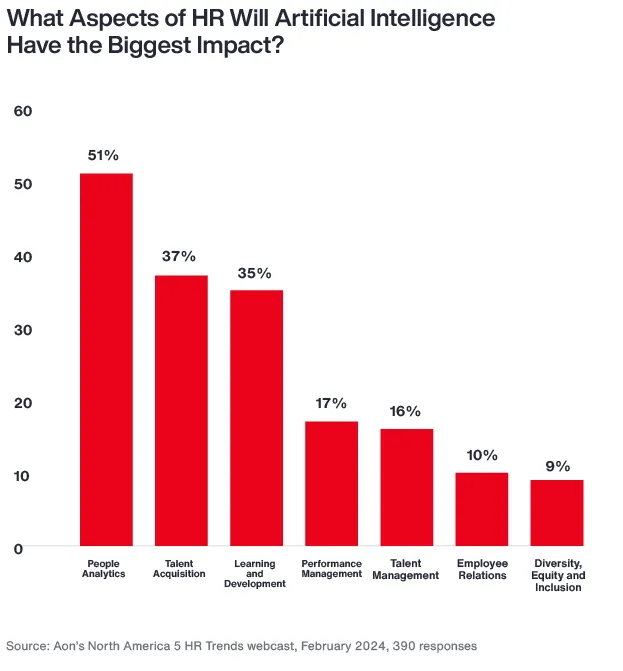
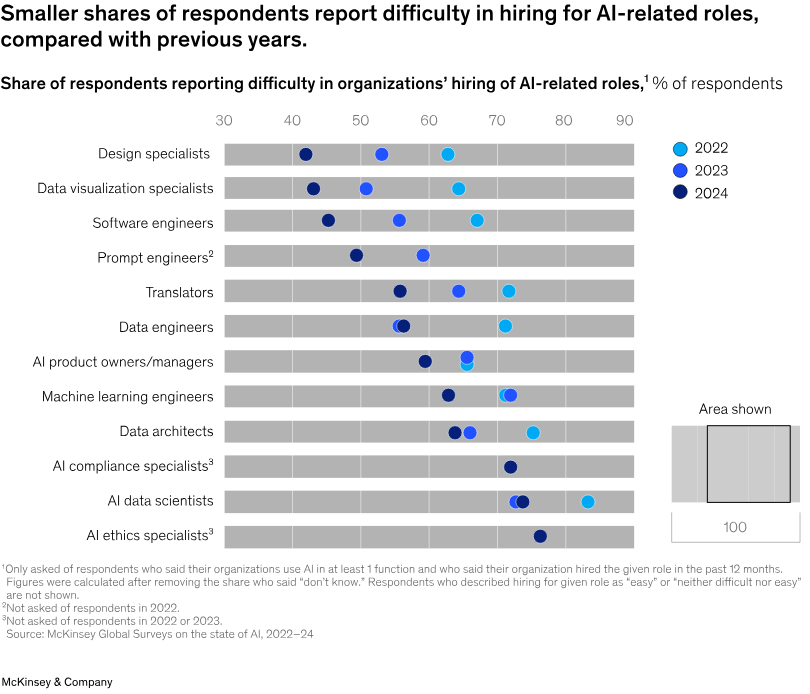
The HR landscape is undergoing a significant transformation, and technology adoption is at the forefront of this change. AI in HR is no longer a futuristic idea; it's an integral part of modern HR practices. Today, forward-thinking organizations rely on artificial intelligence to automate repetitive tasks, streamline data analysis, and free up HR professionals for more strategic work that directly impacts employee engagement and overall talent development.
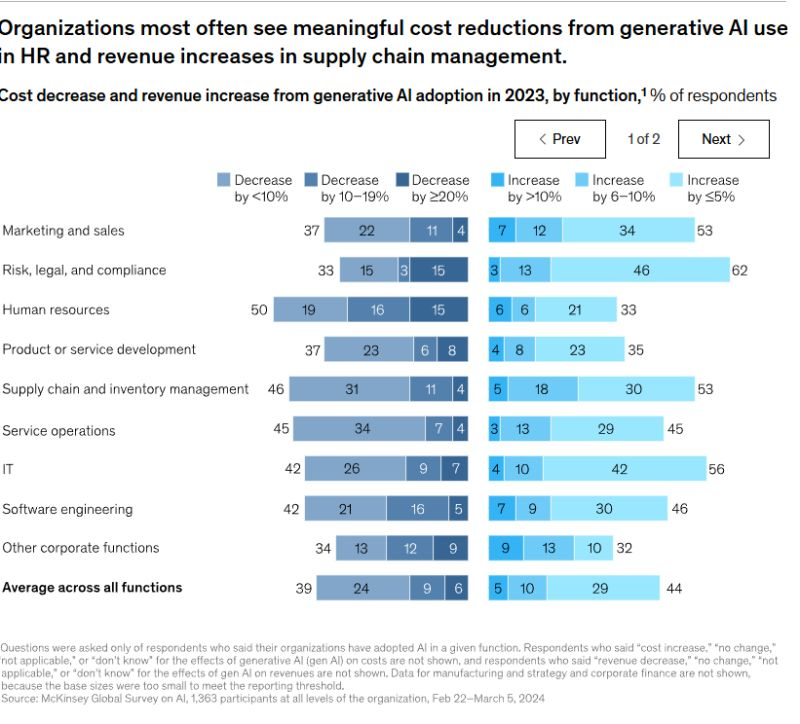
Recent statistics underline this trend. For instance, studies show that over 60% of companies are integrating AI into their HR functions to enhance efficiency and decision-making (Source: Forbes).
John Baldino shared his perspective on this shift during our podcast:
"If we don't figure out how to allow [AI] to cultivate the exceptional work that we're to do, then we're going to be way behind."
This powerful statement underscores a central theme: AI is not designed to replace HR professionals but rather to enhance the quality of their work. By automating mundane tasks, AI allows HR leaders to focus on strategic issues like talent management, employee engagement, and fostering a dynamic workplace culture.
Key points on AI in HR include:
- Automation of repetitive tasks that once consumed considerable HR time.
- Enhanced decision-making through data-driven insights.
- Greater focus on human-centric functions such as talent development and emotional intelligence in HR.
- A competitive edge in attracting and retaining top talent.
Furthermore, embracing AI in HR is about viewing technology as an enabler. Instead of fearing automation, HR practitioners are encouraged to see AI as a powerful tool that can amplify their ability to build rapport, understand employee needs, and foster environments where people can truly thrive.
For more insights on how traditional HR practices are evolving with new technology, check out our additional commentary on the Human Capitalist initiative.
Transparency and Trust: The New Standard for Technology in HR
Transparency in AI usage is emerging as a crucial element for modern HR. When organizations openly disclose their use of AI in HR processes—ranging from candidate screening and automated first-tier interviews to performance reviews—they not only foster trust but also create a more authentic employer brand. Transparency plays a vital role in ensuring that candidates understand how technology is integrated into the assessment process, thereby building confidence among those applying and working within the organization.
For example, companies like Greenhouse have begun clearly communicating their AI-driven recruitment strategies. As one report highlights, "Platforms like Greenhouse openly communicate their use of AI in recruitment, fostering transparency and trust." (Source: Greenhouse)
This transparency is not just a best practice—it is a strategic necessity in today's competitive talent market. It reassures both current employees and future candidates, emphasizing that the integration of AI does not compromise personal interactions but instead supports a more efficient, objective, and fair process. By being clear about technology usage, organizations can avoid misconceptions and potential distrust that might arise from hidden algorithms determining crucial HR decisions.
Key benefits of transparency in AI include:
- Building authentic employer branding that appeals to modern job seekers.
- Empowering candidates with clarity about technology's role in the hiring process.
- Enhancing overall employee engagement by reinforcing that technology is used responsibly.
- Promoting ethical AI practices that align with both company values and regulatory standards.
This approach is consistent with the progressive vision articulated by HR thought leaders and experts on the Human Capitalist podcast. Open communication and honesty about technological integration distinguish forward-thinking HR practices that not only leverage AI in HR but also maintain a culture of care.
Learn more about ethical AI practices and employer transparency on our dedicated HR technology page.
Emotional Intelligence: The Cornerstone of Effective HR Leadership
Emotional intelligence in HR refers to the ability of HR leaders to understand and effectively manage their own emotions, as well as those of others, to foster an engaging and supportive workplace. This capability is essential for any HR professional who aims to build a workforce based on mutual respect, empathetic communication, and robust interpersonal relationships.
According to resources like HiBob's HR Glossary and KnowledgeCity, emotional intelligence in HR involves five key components:
- Self-awareness – recognizing personal strengths, weaknesses, and emotional triggers. (Source)
- Self-regulation – managing one's emotions constructively during stressful situations. (Source)
- Empathy – understanding and sharing in the feelings of employees.
- Social competence – navigating social complexities within the workplace to build cooperative relationships.
- Relationship management – guiding teams towards effective collaboration and resolving conflicts amicably. (Additional sources: Harvard Business School; Humaans)
John Baldino recalled a personal moment during our podcast when he realized the importance of emotional intelligence. "Who have I become that I pride myself so much on this relational component and how much I care about people, and here I am not caring about people in the way which I'm trying to approach issues." This lesson underscores that, even as AI takes over transactional tasks, the inherently human quality of emotional intelligence remains irreplaceable.
The sustained relevance of emotional intelligence in HR is evident in several ways:
- It underpins effective rapport building between HR and employees.
- It is foundational for nurturing a culture of care that values every team member's unique contributions.
- It facilitates conflict resolution, helps manage change, and promotes lasting, positive work relationships.
Additionally, embracing emotional intelligence in HR enhances employee engagement, which in turn drives overall organizational success. By investing in emotional health and interpersonal communication skills, HR professionals can better understand their employees as whole individuals, thereby fostering an environment where both personal and professional growth are prioritized.
For further exploration of emotional intelligence's impact on HR leadership, visit our comprehensive guide on emotional intelligence in HR.
Balancing Transactional and Transformational HR Work
One of the most pressing challenges facing HR professionals today is the risk of letting transactional duties define their role. Administrative tasks, compliance, and routine paperwork can overshadow the more impactful, people-focused aspects of HR. This narrow focus not only compromises employee engagement but also undermines innovation in talent management and organizational culture.
John Baldino captured this shift during our discussion by stating, "It's hard because I think that in human resources, we've allowed our work to define who we are... if transaction becomes how we define ourselves, then we treat people transactionally." His call to action is clear: HR must distinguish "the person from the work" in order to maintain a human-centric approach while harnessing the benefits of AI in HR. By automating routine functions with AI, HR professionals can redirect their efforts towards building meaningful rapport and focusing on talent development—areas where human judgment is irreplaceable.
Some key points include:
- Delegating repetitive administrative tasks to AI, thereby expanding capacity for strategic HR functions.
- Rebalancing priorities to emphasize people-centric initiatives such as employee well-being and career growth.
- Utilizing technology to enhance, rather than replace, the relational and empathetic aspects of HR.
This balanced approach allows HR departments to focus on cultivating a culture of care without sacrificing efficiency. Ultimately, when HR moves away from defining itself solely by transactional duties, it can engage more deeply with employees and set a foundation for authentic, transformative change in organizational culture.
Building Culture: Rapport, Engagement, and Talent Development
Creating a thriving organizational culture hinges on the ability to build strong rapport between HR and employees. Rapport building is not just about friendly interactions; it is fundamental to fostering employee engagement, loyalty, and long-term organizational success. In this regard, personalized employee support and empathy-driven leadership are critical.
Best practices for building culture include:
- Personalized employee support:
- Tailored approaches that recognize each employee's unique needs.
- Acknowledging and celebrating individual contributions.
- Empathy-driven leadership:
- Leading with compassion and understanding.
- Building trust through open communication and genuine care.
- Fostering open communication channels:
- Encouraging consistent feedback and active dialogue.
- Creating safe spaces for sharing ideas and concerns.
A strong culture promotes talent development, transforming HR into a strategic partner in the growth of employees. Talent development is not simply about training but about investing in the overall well-being and professional progress of each team member. Research shows that employees who feel valued and understood are more likely to contribute to a positive culture of care and exhibit higher engagement levels. (Sources: Humaans; Insperity)
John Baldino's experiences underlined the transformative power of such an approach. As he explained on the podcast, HR must look beyond transactional roles and focus on fostering genuine relationships and growth opportunities. This means prioritizing initiatives that not only support immediate business goals but also invest in the long-term success and emotional health of employees.
For more ideas on talent development and building effective rapport in the workplace, check out our resources on HR best practices.
The Practical Integration of AI: Not Replacement, but Enhancement
A recurring theme throughout our conversation was the notion that AI is a tool for enhancement, not a substitute for human expertise. AI in HR should be leveraged to support HR professionals, allowing them to focus on strategic initiatives rather than get bogged down in routine administrative work. By doing so, HR can strike the perfect balance between leveraging technology and maintaining the human touch essential for effective leadership.
John Baldino highlighted this philosophy with a compelling quote:
"Don't lead with replacement... If your approach to AI is purely, 'I'm going to be able to get rid of one and a half FTEs,' that's not the right premise."
This perspective reflects a mature approach to technology adoption: by viewing AI as a supportive tool, organizations can boost employee engagement and enhance overall operational efficiency. To practically integrate AI, HR leaders can follow these actionable steps:
- Assess Organizational Readiness:
- Evaluate current HR processes and identify areas for improvement.
- Consider the technical infrastructure and the existing skillset of HR teams.
- Involve Employees:
- Engage employees in discussions about upcoming AI initiatives.
- Hold informational sessions to explain how the new technology will complement human roles.
- Promote a Growth Mindset:
- Encourage continuous learning and adaptability among the workforce.
- Facilitate upskilling opportunities so that employees can thrive alongside AI.
- Commit to Transparency:
- Regularly update staff on the progress and impact of AI initiatives.
- Celebrate successes and address challenges openly to build trust.
For HR professionals seeking a bridge between technological adoption and a culture of care, this balanced approach is indispensable. Ensuring that employees are not sidelined by AI but instead empowered by its insights is key to the future of human-centric HR.
Explore more on navigating the blend of technology and human interaction by referring to our AI integration guide.
Balancing Financial Realities with Personal Well-being
Achieving the right balance between financial performance and personal well-being remains one of the most critical challenges for today's organizations. Often, the race to meet financial targets overshadows the need for cultivating an environment where employees feel valued and supported. However, as John Baldino emphasized during our discussion, prioritizing personal fulfillment is vital for sustainable success.
"Go where you grow... It's about moving from print to cursive, to paragraphs, to novels."
This insightful remark from John encapsulates the importance of personal development and the need for organizations to foster environments that support both career advancement and overall happiness. By recognizing that career decisions entail more than monetary rewards, HR professionals can steer their organizations towards practices that prioritize employee well-being along with fiscal responsibility.
Key considerations for balancing financial realities with personal well-being include:
- Aligning career paths with personal growth objectives.
- Investing in initiatives like wellness programs and flexible work arrangements.
- Ensuring that HR strategies are designed to value employee input and individual development.
- Cultivating a mindset that financial performance and personal fulfillment can coexist, rather than compete, for organizational focus.
For HR leaders, integrating personal well-being into the strategy means championing policies that support a culture of care, where all team members feel recognized and empowered. This alignment not only benefits the employees but also drives long-term organizational success by boosting morale, creativity, and loyalty.
To explore more on fostering a supportive workplace that balances financial goals with personal development, visit our guide on HR strategy.
Before concluding, here are five impactful and engaging quotes from John Baldino that encapsulate his visionary outlook on HR:
- "If we don't figure out how to allow [AI] to cultivate the exceptional work that we're to do, then we're going to be way behind."
- "Who have I become that I pride myself so much on this relational component and how much I care about people, and here I am not caring about people in the way which I'm trying to approach issues."
- "It's hard because I think that in human resources, we've allowed our work to define who we are...if transaction becomes how we define ourselves, then we treat people transactionally."
- "Don't lead with replacement... If your approach to AI is purely, 'I'm going to be able to get rid of one and a half FTEs,' that's not the right premise."
- "Go where you grow... It's about moving from print to cursive, to paragraphs, to novels."
Conclusion: The Future of HR – Human-Centric, Tech-Enabled
The future of HR lies in a harmonious blend of technology and human touch. AI in HR and emotional intelligence in HR are not mutually exclusive; together, they create a dynamic environment where technology enhances human capability rather than replaces it. As HR professionals navigate this evolving landscape, three key takeaways emerge:
- Embrace AI as an enabler that boosts efficiency without compromising human relationships.
- Lead with emotional intelligence and empathy to form genuine, trusting connections with employees.
- Maintain transparency in AI implementation to build an authentic employer brand that stands out in the competitive talent market.
- Prioritize talent development and personal well-being as core strategies for sustainable organizational growth.
- Make wise strategic choices by recognizing that not every challenge is a battle worth fighting.
John Baldino's insights serve as a reminder that effective HR leadership is ultimately about striking the right balance—leveraging technology for its strengths while nurturing the irreplaceable human qualities of care, empathy, and vision.
As you reflect on these themes and consider how they apply to your organization, I encourage you to listen to the full Human Capitalist podcast episode. John Baldino and I have sparked a vital conversation on how the future of HR is being shaped by a thoughtful integration of AI, transparency, and emotional intelligence. Our dialogue offers a blueprint for HR professionals looking to innovate without losing the personal connection that remains at the heart of every successful organization.