Estimated reading time: 10 minutes
I've been watching the rapid evolution of AI in our HR space, and let me tell you—this technology is completely revolutionizing how we operate. As we embrace these tools to enhance our human capital management, one thing has become crystal clear to me: robust AI governance isn't optional—it's absolutely essential. Recently on my Human Capitalist podcast, I had the opportunity to sit down with Guru Sethupathy, a powerhouse with over 25 years of experience implementing and governing AI systems.
📺 Watch the full episode here: https://youtu.be/Sdepw71Tzmk
During our conversation, Sethupathy dropped a truth bomb that perfectly frames the AI governance challenge: "Governance enables trust and trust enables speed." This isn't just another corporate platitude—it's a fundamental insight that flips the script on how we view governance. Far from being a roadblock to innovation, proper governance actually accelerates implementation by building the trust foundation we desperately need.
Key Takeaways
- Proper AI governance builds trust, enabling faster implementation in HR.
- The four pillars of AI implementation are Strategy Development, Data and Technology Assessment, Governance Framework, and Change Management.
- Trust is fundamental, with governance serving as a catalyst rather than a hindrance.
- Addressing AI bias is essential for ethical and effective AI use in HR.
- "You manage AI like you would another employee," highlighting the need for human oversight.
The Four Pillars of AI Implementation in HR
Sethupathy outlined four essential pillars for successful AI integration in HR, and I'm convinced these create the comprehensive framework we need to get governance right.
1. Strategy Development
Let's be clear—successful AI implementation starts with strategic planning, not shiny tech toys. As Sethupathy put it, "Start with use cases and being use case driven." This approach ensures we're solving actual HR challenges rather than implementing technology just because it's the latest trend.
Key strategic considerations I'm focusing on include:
- Identifying specific HR processes that would benefit from AI automation
- Aligning AI initiatives with broader organizational goals
- Developing clear metrics for measuring success
- Creating a roadmap for gradual implementation
2. Data and Technology Assessment
Before jumping into AI solutions, I'm insisting that organizations evaluate their data infrastructure and technological capabilities. "You can monitor it in a more consistent way," Sethupathy notes, and he's right—without robust data management systems, we're building on sand.
Critical assessment areas I'm advising my clients to examine include:
- Data quality and availability
- Existing technology infrastructure
- Internal technical capabilities
- Potential technology partners and vendors
3. Governance Framework
I've seen firsthand how a well-structured governance framework is non-negotiable for maintaining ethical AI use in HR. Sethupathy's insight that "Humans are going to have to manage AI" reinforces my belief in the absolute necessity of human oversight.
The governance framework I'm implementing addresses:
- Ethical guidelines for AI use
- Compliance requirements
- Risk management protocols
- Regular auditing procedures
4. Change Management
Let me be blunt—the most sophisticated AI system will fail without effective change management. "What kind of culture do you have internally?" Sethupathy asks, and it's the question that separates success from failure in AI adoption.
Key change management elements I'm driving include:
- Employee training and development
- Communication strategies
- Role redesign and workflow adjustments
- Cultural transformation initiatives
Building Trust Through AI Governance
Trust isn't just important—it's fundamental to successful AI implementation in HR. When Sethupathy says, "You manage AI like you would another employee," he's hitting on something I've been telling organizations for years: AI requires the same level of accountability and oversight as your human talent.
Addressing AI Bias
One of the most crucial aspects of AI governance that I'm confronting is managing potential bias. "AI can be biased, humans can be biased," Sethupathy acknowledges, and this is why I'm pushing for proactive bias detection and aggressive mitigation strategies in every implementation I oversee.
Key Insights from Guru Sethupathy
These five quotes from our conversation capture the essence of what I believe about AI governance:
- "Governance enables trust and trust enables speed."
- "AI governance is going to be a huge field trend."
- "Start with use cases and being use case driven."
- "It's easier to train than untrain."
- "You manage AI like you would another employee."
Conclusion
My conversation with Guru Sethupathy reinforced my conviction that the future of AI in HR depends on finding the right balance between innovation and governance, with trust as the cornerstone. Organizations that get this right will leapfrog their competitors; those that don't will struggle with implementation failures and organizational resistance.
I encourage you to listen to the full episode of my Human Capitalist podcast featuring Guru Sethupathy for deeper insights that could transform your approach to AI governance.
Want to explore more about AI in talent acquisition? Check out my guide on Implementing AI in Your Recruitment Process. For those looking to stay ahead of the curve, my article on The Future of Work: AI's Impact on Workforce Development provides valuable insights into preparing your organization for AI-driven changes.
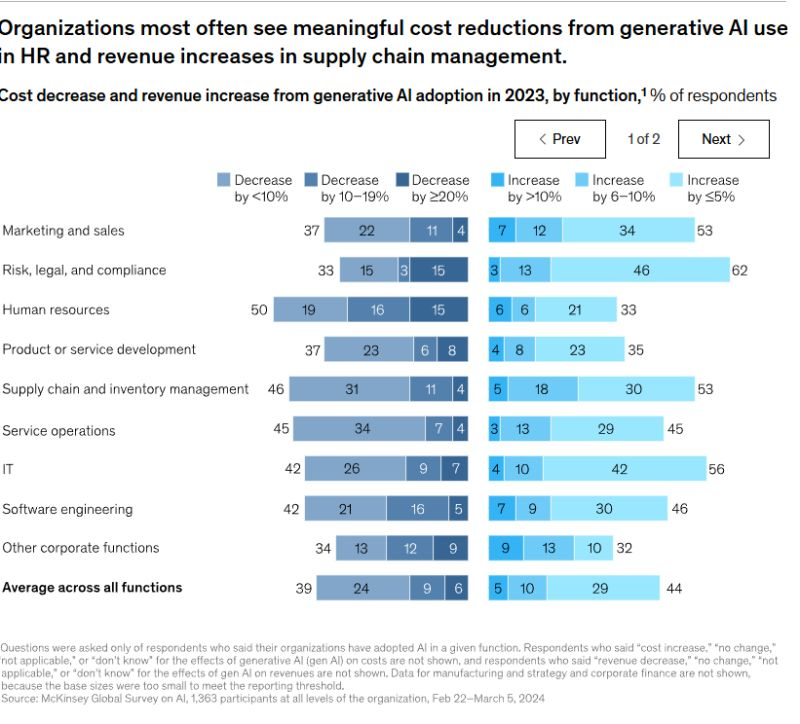
For more comprehensive guidance, I recommend the Harvard Business Review's article on Building an Ethical Framework for AI, MIT Sloan's research on AI Governance Best Practices, and McKinsey's report on The State of AI in 2023.