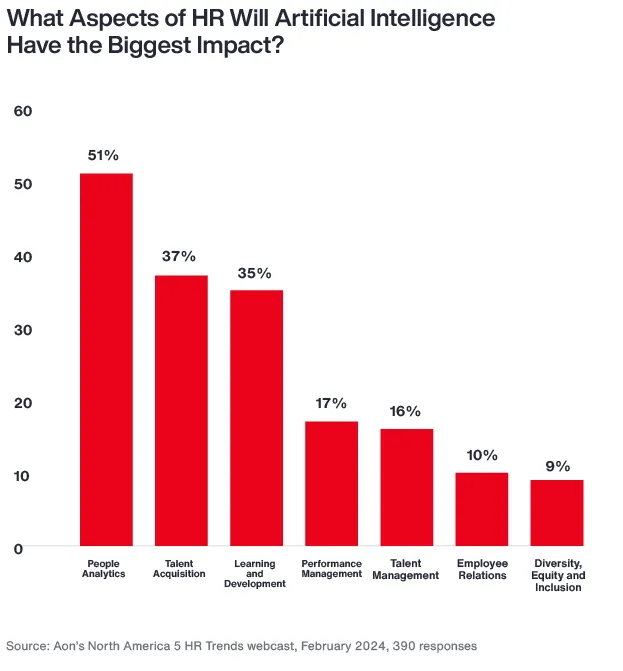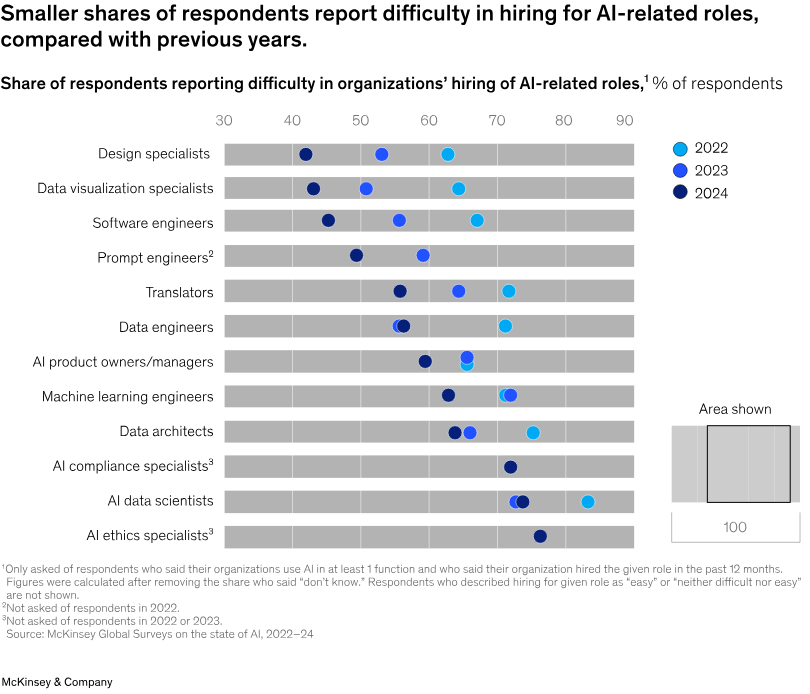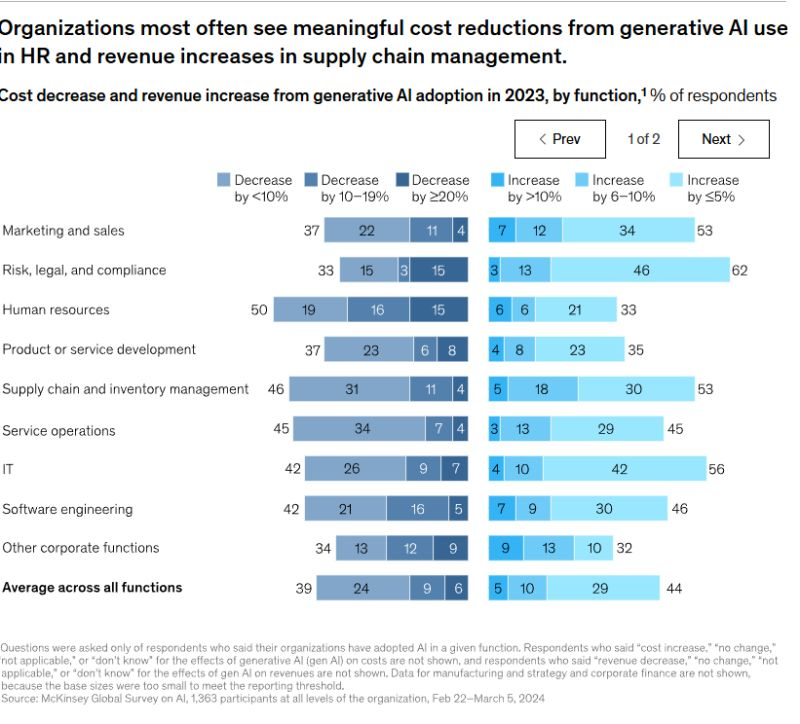
Let's get straight to the point: if you're still debating whether to embrace AI in your HR function, you're already behind. This isn't about whether AI will transform HR – it's already happening. The real question is whether you'll be a leader in this transformation or scramble to catch up later.
AI-Powered Onboarding: Beyond the Paperwork
Stop treating onboarding like a checkbox exercise. AI is revolutionizing the employee experience from day one, and smart organizations are leveraging this to create competitive advantages. While you're stuck with manual processes, your competitors are using AI-powered chatbots and virtual assistants to deliver consistent, engaging onboarding experiences that scale.
Here's the reality check: AI isn't just handling paperwork – it's analyzing successful onboarding patterns and continuously optimizing the process. Your traditional onboarding approach isn't just inefficient; it's actively holding back your new hires from reaching their full potential.
Performance Management: Time to Kill the Annual Review
The annual performance review is dead – or at least it should be. AI is enabling something far more powerful: continuous, data-driven performance management that actually drives results. McKinsey's report of 25% productivity increases and 50% reduction in high-performer attrition isn't just impressive – it's a wake-up call for organizations still clinging to outdated performance management approaches.
The future of compensation isn't about annual adjustments based on gut feelings. It's about:
- Real-time performance tracking
- AI-driven skill gap analysis
- Predictive career pathing
- Dynamic compensation adjustments
- Personalized development paths
Your competitors are already using AI to identify and develop high-potential employees while you're still scheduling annual reviews. The cost of this technological hesitation isn't just inefficiency – it's talent loss.
Recruitment Revolution: AI Isn't Optional Anymore
Let's be brutally honest: if you're not using AI in your recruiting process, you're choosing to be less effective. LinkedIn's data showing 67% of recruiters saving time with AI isn't just a statistic – it's proof that traditional recruitment methods are becoming obsolete.
But here's where most organizations get it wrong: they implement AI tools without rethinking their entire recruitment strategy. True AI-driven recruitment means:
- Predictive analytics for candidate success
- Automated initial screening that actually works
- Bias reduction through data-driven decisions
- Strategic sourcing based on success patterns
However, let's address the elephant in the room: AI bias in recruiting is real, and ignoring it is irresponsible. The solution isn't to avoid AI – it's to implement it ethically and strategically.
The Future of HR: Lead or Follow
The integration of AI in HR isn't just another technology trend – it's a fundamental shift in how we manage human capital. But here's what separates the leaders from the followers: understanding that AI isn't about replacing human judgment; it's about enhancing it.
Your role as an HR leader in this AI-driven future is to:
- Champion data-driven decision making
- Build trust in AI systems
- Maintain the human element in people management
- Drive ethical AI implementation
- Lead organizational change
The organizations that will thrive aren't those with the most AI tools – they're the ones that best integrate AI capabilities with human insight. As we move forward, the HR function you know won't exist in 2030. The question is: will you be part of shaping that future, or will you be forced to adapt to someone else's vision?
Remember: The biggest risk in this AI revolution isn't moving too fast – it's moving too slow. Your competitors are already leveraging AI to create more efficient, effective, and engaging HR practices. Every day you spend debating AI adoption is a day your organization falls further behind.
The future of HR belongs to those who understand that AI isn't just a tool – it's a transformation catalyst. It's time to stop talking about AI potential and start realizing it. Are you ready to lead this change, or will you be forced to follow?Title