I recently had the pleasure of sitting down with Gogi Anand, a human capital expert with over a decade of experience, for an episode of the Human Capitalist Podcast. Gogi, who recently took on a role helping leaders assess the value of the new AI tool M365 Copilot, shared his invaluable insights on the rapidly evolving world of human capital and the transformative impact of AI.
📺 Catch the full episode on YouTube.
🛜 You can also list to it on Spotify.
The Human Capital World in the Next Decade
Gogi painted a vivid picture of the human capital world over the next 10 years, drawing parallels to the advent of the internet. He believes we are currently in a phase of experimentation and discovery with AI, akin to the early days of search engines. Companies are grappling with how to integrate AI into their workflows and redefine their identities in this new era.
In the next three to five years, Gogi predicts a shift towards a skills-based economy, where AI will play a crucial role in talent acquisition, development, and internal mobility. He envisions a world where AI-powered tools will streamline the creation of documents, presentations, and other materials, freeing up human workers to focus on higher-value tasks.
Looking further ahead, Gogi believes automation will become the norm in the next 10 years. AI agents will autonomously handle routine tasks, allowing human workers to focus on more strategic and creative endeavors. This shift will require a significant adjustment, but Gogi believes it will ultimately lead to a more efficient and fulfilling work experience.
AI Trends to Watch
Gogi highlighted several key AI trends that he is closely monitoring. First, he emphasized the importance of innovation and creativity in the development and application of AI tools. He stressed the need for a culture that encourages experimentation and risk-taking, allowing employees to explore the full potential of AI.
Second, Gogi addressed the critical issue of security and privacy in the context of AI. He urged companies to carefully vet AI tools to ensure they meet the highest security standards and protect sensitive data.
Finally, Gogi discussed the importance of selecting the right AI products for each organization's specific needs. With the abundance of AI tools available, companies need to carefully evaluate their options and choose those that align with their goals and values.
Challenges and Opportunities in AI Adoption
Gogi acknowledged the challenges that companies face in unlocking AI adoption and managing the associated change. He pointed out that many employees are bringing their own AI tools to work (BYOAI) due to the slow pace of AI adoption in some organizations. This trend underscores the need for companies to proactively embrace AI and provide clear guidelines for its use.
Gogi stressed the importance of having a clear sponsor or leader championing AI adoption within the organization. He also recommended identifying clear use cases for AI and creating a culture of experimentation and learning. He emphasized the importance of involving employees in the AI adoption journey to foster commitment and buy-in.
The Role of HR in the Age of AI
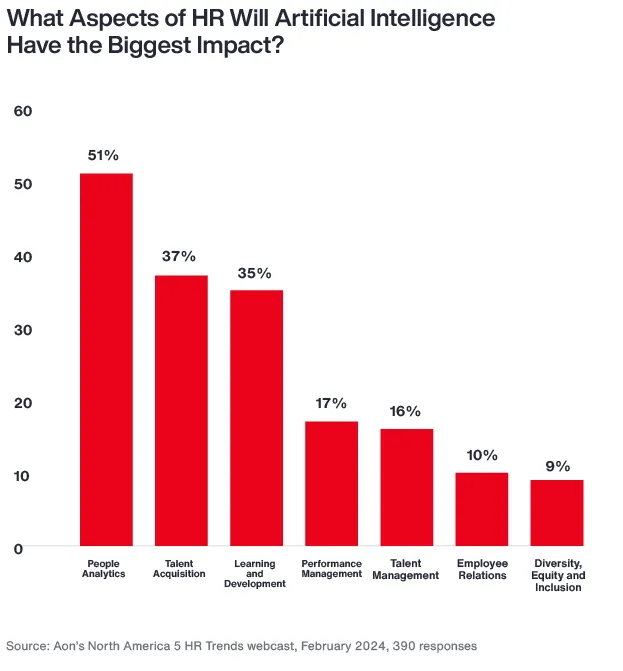
Gogi underscored the critical role of HR in navigating the changing landscape of work. He highlighted HR's expertise in analytics, human behavior, change management, talent acquisition, and development. He believes that HR can serve as a strategic partner to the business, helping to drive digital transformation and ensure a smooth transition to an AI-powered workplace.
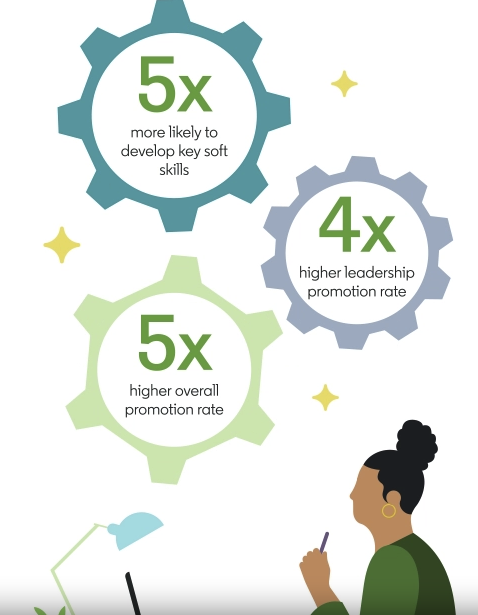
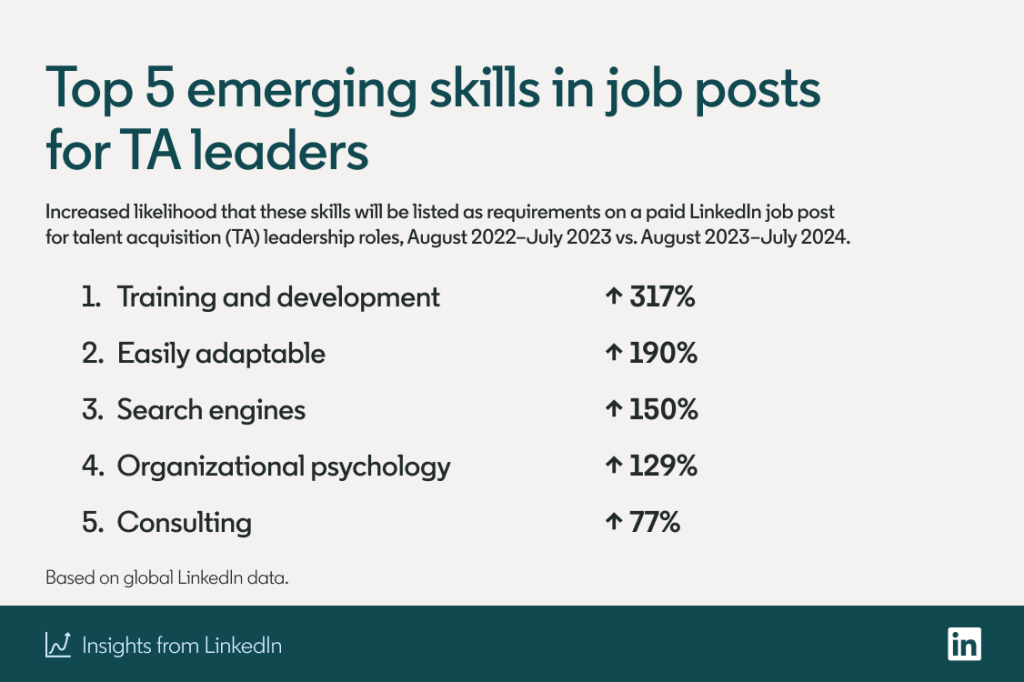
Gogi also discussed how AI is changing the way organizations approach employee engagement and development. He cited a recent LinkedIn report that found 90% of organizations are concerned about employee retention, and that providing learning and development opportunities is the number one way to retain employees. AI can help organizations identify skill gaps, predict future behavior, and personalize learning and development experiences.
Preparing for the Future of HR
Gogi offered valuable advice for HR professionals looking to stay ahead of the curve. He recommended focusing on upskilling, reskilling, and new skilling employees to meet the evolving needs of the business. He also stressed the importance of understanding the broader organizational goals and aligning HR initiatives with those goals.
For leaders, Gogi emphasized the importance of creating a learn-it-all culture that embraces growth and innovation. He also highlighted the need for a culture of inclusion, where everyone feels valued and respected.
Key Takeaways
Gogi's insights provide a roadmap for navigating the exciting and challenging future of work. As AI continues to transform the human capital landscape, companies and individuals must adapt and embrace new ways of working. By fostering a culture of learning, innovation, and inclusion, organizations can harness the power of AI to improve business outcomes and create a more fulfilling work experience for all.
Sound Bites to Remember
- "AI is going to push us to automate a lot of things."
- "AI tools are not secure and set up correctly."
- "Involvement leads to commitment."
- "How do we nudge people to be more productive?"
- "AI is your assistant, your co-pilot."
- "AI can help automate how we sift through data."
- "Train people and democratize access to data."
- "As you grow, pull people onto the bus with you."