Leaders, I have a question for you: Are you truly investing your time in the people who will drive your team to success? Or are you unknowingly trapped in a cycle of trying to "fix" those who are holding you back?
It's a common leadership dilemma. You want to support everyone on your team, nurture their growth, and help them reach their full potential. But the reality is that not all team members offer the same return on your investment.
This might sound harsh, but it's a critical lesson for any leader to learn. Your time and energy are precious resources, and you need to invest them wisely. Focusing on individuals who show little potential or willingness to improve can be a losing battle, draining your resources and hindering your team's progress.
The Hidden Cost of Misplaced Focus
It's easy to get caught up in the idea that every employee deserves a chance to improve. But constantly trying to "save" those who are consistently underperforming or resistant to change comes at a steep cost:
Wasted Time and Energy
A study by Leadership IQ found that managers spend a staggering 35% of their time dealing with underperforming employees. Imagine what you could accomplish if you could reclaim even a fraction of that time! Every hour spent trying to salvage a low performer is an hour taken away from mentoring your rising stars, empowering your high achievers, and driving strategic initiatives.
Missed Opportunities
While you're busy trying to elevate those at the bottom, your mid-performers and high-performers are being neglected. These individuals are your greatest assets – they have the potential to grow, innovate, and take your team to the next level. But without proper guidance and support, their talents may go untapped, and their motivation may dwindle.
Damaged Morale
When your attention is constantly drawn to those who are struggling, it sends a subtle message to the rest of your team: mediocrity is tolerated. This can breed resentment and disengagement among your top performers, who may feel undervalued and demotivated. Why should they strive for excellence when underperformance seems to get all the attention?
According to Gallup's research on employee engagement, teams with high engagement levels outperform those with low engagement by 21% in productivity. Creating an environment where top performers feel valued is crucial for maintaining this engagement.
Emotional Drain
Dealing with individuals who require constant hand-holding, reassurance, and correction can be incredibly draining. It can take a toll on your patience, creativity, and overall well-being, leaving you with less energy to devote to other critical areas of leadership.
Recognize Where Your Efforts Will Thrive
Now, this doesn't mean you should abandon all efforts to support your team members. Coaching and development are essential aspects of leadership. But it's crucial to recognize where your efforts will have the greatest impact.
Instead of getting bogged down with those who are stagnant, shift your focus to those who are eager to learn, grow, and contribute. Invest your time and energy in:
Identifying and Nurturing High-Potential Employees
These are the individuals who consistently exceed expectations, demonstrate a strong work ethic, and possess a growth mindset. Provide them with challenging opportunities, mentorship, and the resources they need to thrive. Research from the Corporate Executive Board (CEB) shows that high potentials are 91% more valuable to an organization than non-high potentials.
Developing Mid-Level Performers
This group represents a significant opportunity for growth. With the right guidance and support, they can become your next generation of leaders and high achievers. Identify their strengths and weaknesses, provide targeted training, and create a clear path for advancement.
A McKinsey study found that "middle 60%" of performers offer the greatest potential for organizational improvement, yet they often receive the least attention from leadership.
Empowering Your Team
Create a culture of accountability and trust. Encourage your team members to take initiative, solve problems, and contribute their unique talents. This will not only boost their morale and engagement but also free up your time to focus on strategic leadership.
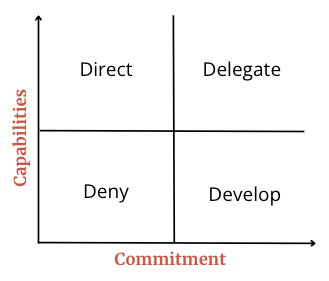
Consider implementing a team matrix tool to better visualize and manage your team's strengths and development areas.
The Bottom Line
Strategic leadership is about recognizing where your efforts will yield the greatest return. By shifting your focus from those who are holding you back to those who are eager to soar, you can unlock your team's true potential, create a more positive and productive work environment, and achieve extraordinary results.
The most effective leaders understand that small, tactical teams of high performers can accomplish more than large teams with mixed performance levels. They focus on quality over quantity and invest their leadership capital accordingly.
Remember, your leadership legacy is not defined by how many people you "fixed" but by how many you empowered to reach their full potential. As management expert Marcus Buckingham notes, "Great managers don't try to change their employees' style. They try to help each person become more of who they already are."
Want to learn more about effective leadership strategies? Check out our articles on leadership tactics that drive success and how top leaders attract exceptional talent.
Be sure to go to https://www.annamorgancareerbff.com/EVOLVE-bycareerbff?cid=049ff129-692e-4dd8-872a-444dd124cd0f and register for this event!