Estimated reading time: 7 minutes
Key Takeaways
- HR transformation is about bringing the human back to HR.
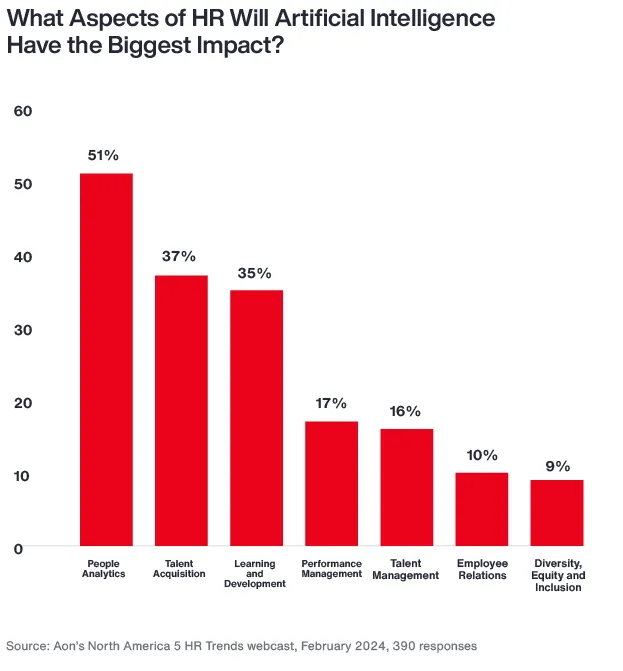
- Artificial Intelligence (AI) is revolutionizing HR processes like recruitment and performance management.
- Employee experience is evolving with continuous engagement and meaningful connections.
- Leadership plays a crucial role in balancing technology with human connection.
- Overcoming challenges requires empowering and inspiring people alongside technological advancements.
"We need to bring the human back to HR," emphasized Dan Riley early in the conversation. This powerful statement sets the tone for understanding how HR transformation is reshaping organizations in 2025. The traditional administrative role of HR has evolved into a strategic partnership that drives organizational success through human capital management.
HR professionals are navigating complex terrain that requires innovative thinking and strategic adaptation. According to recent research from Gartner, 87% of HR leaders identify workforce transformation as their top priority, reflecting the seismic shifts occurring across industries.
HR executives must focus on:
- Balancing technological advancement with authentic human connection
- Creating purpose-driven cultures that inspire meaningful engagement and retention
- Implementing AI solutions while establishing and maintaining organizational trust
- Developing agile workforce strategies that adapt to rapidly changing business needs
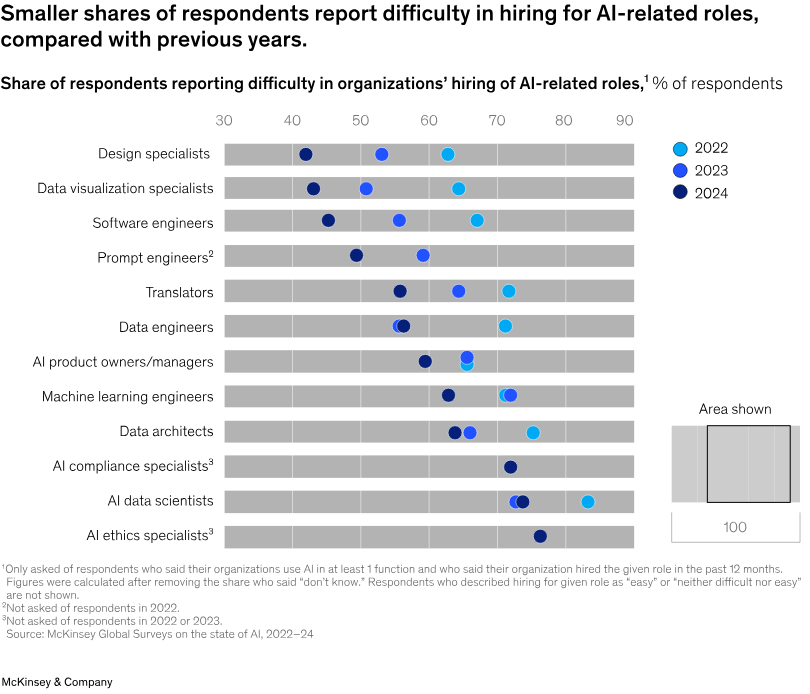
- Addressing skills gaps through innovative learning and development approaches
AI's Revolutionary Impact on HR Processes
Dan Riley, Chief People Officer at Gusto, shared valuable insights about AI's transformative role in modern HR: "AI can help us streamline recruitment." This observation reflects a broader trend in how organizations are leveraging technology to enhance their HR functions.
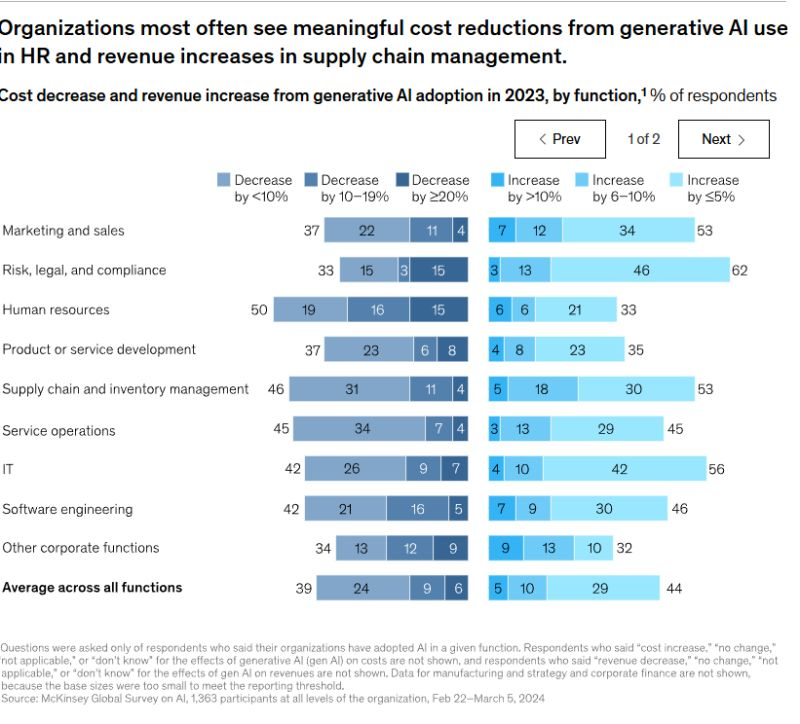
According to McKinsey's latest research, companies that effectively implement AI in their HR functions report a 22% increase in operational efficiency and significant improvements in talent outcomes.
The integration of AI in HR has transformed several key areas:
Recruitment and Talent Acquisition
- Automated screening processes reducing bias and improving candidate quality
- Predictive analytics for better candidate matching and retention forecasting
- Enhanced candidate experience through AI-powered interactions and communication
- Significant reduction in time-to-hire metrics and recruitment costs
"AI has to sort of be a partner," Riley noted, emphasizing that technology should augment rather than replace human judgment in HR processes.
Performance Management
AI-driven performance management systems now offer:
- Real-time feedback mechanisms that foster continuous improvement
- Objective data-based evaluations that minimize unconscious bias
- Personalized development recommendations aligned with both individual aspirations and organizational needs
- Enhanced visibility into performance trends and patterns
A recent study by Deloitte found that organizations using AI-powered performance management systems report 31% higher employee engagement compared to those using traditional methods.
Discover how AI is redefining human resource management.
The Evolution of Employee Experience
"Dismantle the annual survey," Riley stated firmly, advocating for more frequent and meaningful employee engagement practices. This shift represents a fundamental change in how organizations approach employee experience.
Research from Josh Bersin Academy shows that companies with sophisticated listening strategies are 11 times more likely to have high employee retention and 4.6 times more likely to be innovation leaders in their industry.
Continuous Listening Strategies
Modern HR transformation demands:
- Regular pulse surveys that capture real-time employee sentiment
- Multi-channel feedback systems that meet employees where they are
- AI-powered sentiment analysis that identifies emerging trends and concerns
- Action-oriented response systems that drive meaningful organizational change
According to PwC's Future of Work survey, organizations implementing continuous listening strategies report a 38% increase in employee satisfaction and a 26% improvement in organizational agility.
Building Meaningful Connections
"We all want to be on the same island," Riley observed, highlighting the importance of creating unified, purpose-driven workplace cultures. This approach involves:
- Fostering psychological safety that encourages authentic expression and innovation
- Promoting transparent leadership that builds credibility and trust
- Creating inclusive environments where diverse perspectives thrive
- Enabling meaningful work aligned with broader organizational purpose
A comprehensive study by MIT Sloan Management Review found that employees who find meaning in their work are 3.2 times more likely to remain with their organizations and demonstrate 1.7 times higher job satisfaction.
Leadership in the Age of AI
The role of leadership in HR transformation cannot be understated. "How do I facilitate a conversation?" Riley posed this question to illustrate the evolving nature of leadership in an AI-enhanced workplace.
Key Leadership Responsibilities
- Guiding digital transformation with a human-centered approach
- Maintaining authentic human connection across increasingly digital interactions
- Building organizational trust in AI systems through transparency and education
- Promoting continuous learning and adaptation at all organizational levels
According to Harvard Business Review's analysis, 76% of employees express concerns about AI replacing human connection, making leadership's role in balancing technology and humanity more critical than ever.
"Trust it, we need to be super intentional," Riley emphasized, speaking about the careful balance leaders must strike.
Read about the top priorities for HR leaders.
Overcoming Implementation Challenges
Organizations face several hurdles in their HR transformation journey:
- Data privacy concerns requiring robust governance frameworks
- AI bias prevention through careful algorithm design and monitoring
- Change management strategies that address resistance and build adoption
- Technology integration with existing systems and processes
Recent research from IBM indicates that 83% of companies face significant challenges with AI implementation in HR, primarily related to data quality and organizational readiness.
"Empower your people, inspire your people," Riley advised, suggesting that successful transformation requires both technological advancement and human empowerment.
Understand the advantages and disadvantages of using AI in HR.
Best Practices for Future-Ready HR
To prepare for 2025 and beyond, organizations should focus on:
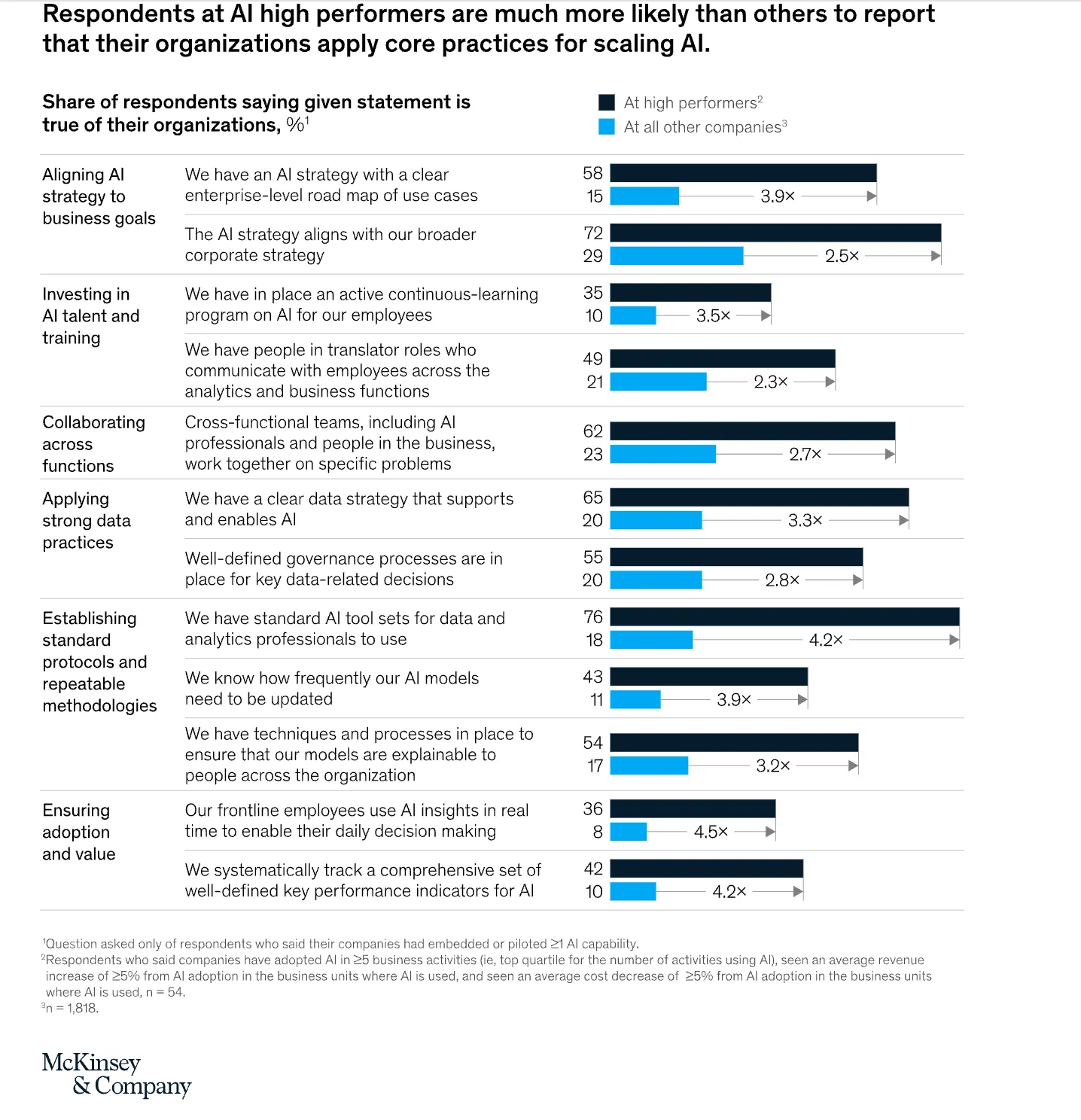
- Developing comprehensive AI strategies aligned with broader business objectives
- Investing in continuous employee development to address emerging skill gaps
- Creating ethical AI frameworks that prioritize fairness and transparency
- Maintaining human-centric approaches that preserve connection and engagement
According to the Society for Human Resource Management (SHRM), organizations that successfully balance AI and human elements report 41% higher workforce productivity and 38% better talent outcomes.
Impactful Insights from Dan Riley
Here are five key takeaways from the conversation:
- "Change is momentum, not arrival." – On the continuous nature of transformation
- "We need to bring the human back to HR." – On maintaining authentic connection
- "AI can help us streamline recruitment." – On strategic technological integration
- "Trust it, we need to be super intentional." – On thoughtful implementation
- "Empower your people, inspire your people." – On fundamental leadership principles
Conclusion
The future of HR transformation lies in successfully blending AI capabilities with human connection. Organizations must develop a strategic approach that harnesses technology's efficiency while preserving the essential human elements that drive engagement, creativity, and purpose.
As Dan Riley demonstrated throughout the conversation, organizations that can strike this delicate balance will be best positioned for success in 2025 and beyond. The most effective HR leaders will be those who view AI not as a replacement for human judgment, but as a powerful tool that frees people to focus on the uniquely human aspects of work that create lasting value.