Estimated reading time: 8 minutes
Key Takeaways
- Employee experience should be treated as a product requiring continuous improvement.
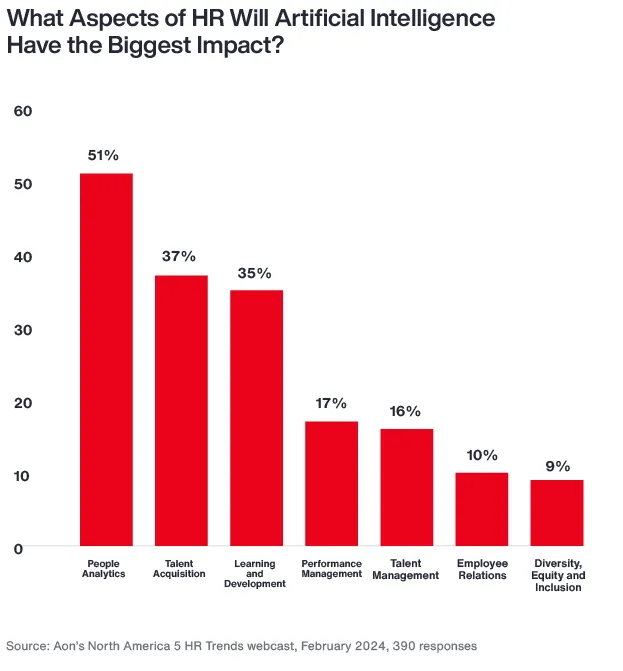
- AI is transforming HR with tools like AI-powered recruitment and predictive analytics.
- Human oversight is crucial in AI implementation, advocating a "human-in-the-loop" approach.
- Continuous learning and adaptation are essential for workforce development in the digital era.
- The gig economy offers alternative paths to career satisfaction and challenges traditional employment models.
The Evolution of Employee Experience in the Digital Age
📺 Watch the full episode here: https://youtu.be/nuBs5rih-0M
Employee experience—the sum of all interactions between employees and their employers—has become increasingly complex in our technology-driven world. Dr. Kalifa Oliver emphasizes that organizations must view employee experience as a product that requires constant refinement and improvement.
"Employee experience isn't just about perks and benefits," Dr. Oliver notes. "It's about creating an environment where technology enhances rather than diminishes human potential."
AI's Role in Transforming HR
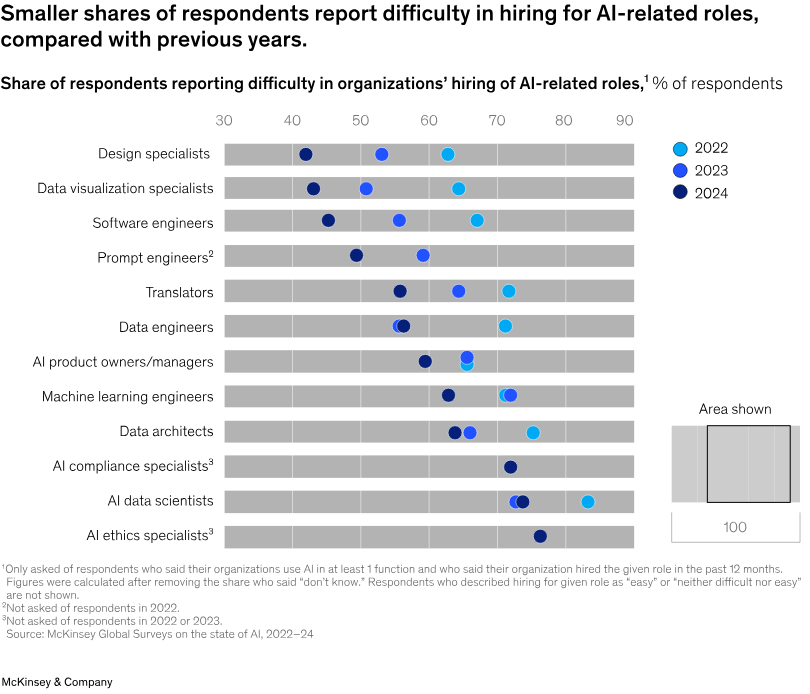
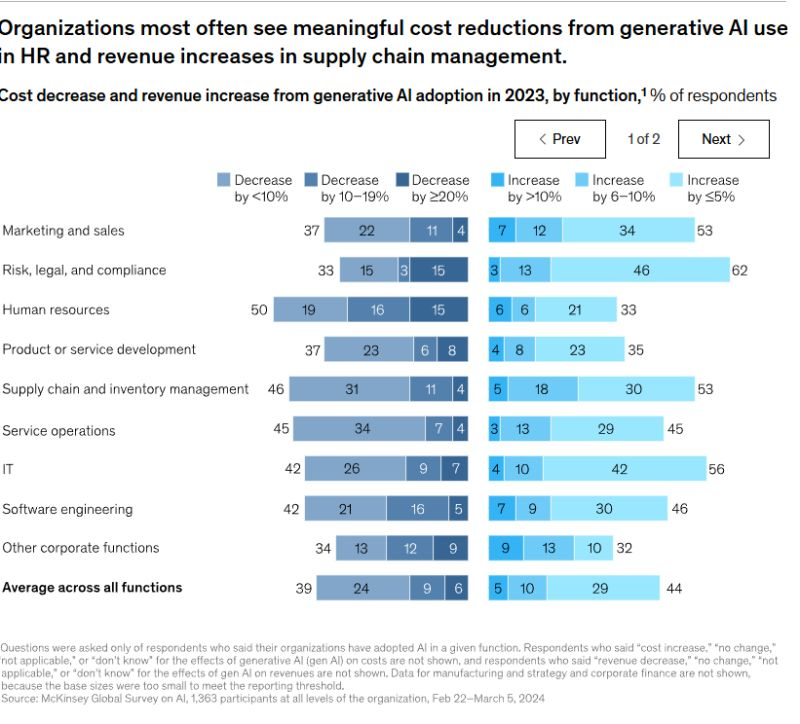
The acceleration of HR technology, particularly following COVID-19, has fundamentally changed how organizations approach talent management. Dr. Oliver highlighted several key developments:
- AI-powered recruitment tools that reduce bias while increasing efficiency
- Predictive analytics for workforce planning
- Personalized learning platforms that adapt to individual needs
"AI is not a solution looking for a problem," Dr. Oliver explains. "It's a tool that must be thoughtfully applied to solve existing challenges in HR."
Read more about this transformation at Training Magazine.
The Human Element in Technology Implementation
Despite technological advancement, Dr. Oliver emphasizes that human oversight remains crucial. She advocates for a "human-in-the-loop" approach where AI augments rather than replaces human decision-making.
Three key considerations when implementing HR technology:
- Cost implications and ROI
- Impact on employee privacy
- Potential for algorithmic bias
"Understanding AI requires both humility and curiosity," Dr. Oliver states. "We must acknowledge its potential while remaining aware of its limitations."
For further insights, visit Gartner's AI in HR.
Workforce Development in the Digital Era
The conversation turned to how organizations can prepare their workforce for an AI-enabled future. Dr. Oliver highlighted several critical areas:
- The importance of continuous learning and adaptation
- Skills-based hiring versus traditional qualifications
- The role of AI in identifying skill gaps
"Technology should enhance human efficiency, not replace jobs," Dr. Oliver emphasizes. "The focus should be on augmentation rather than automation."
Learn more at AIHR's HR Technology Trends.
The Rise of the Gig Economy
The discussion explored how changing workforce preferences and technological capabilities have fueled the growth of the gig economy. Dr. Oliver shared insights on:
- Why workers are increasingly choosing contract work
- The challenges of managing a blended workforce
- How technology platforms facilitate gig work
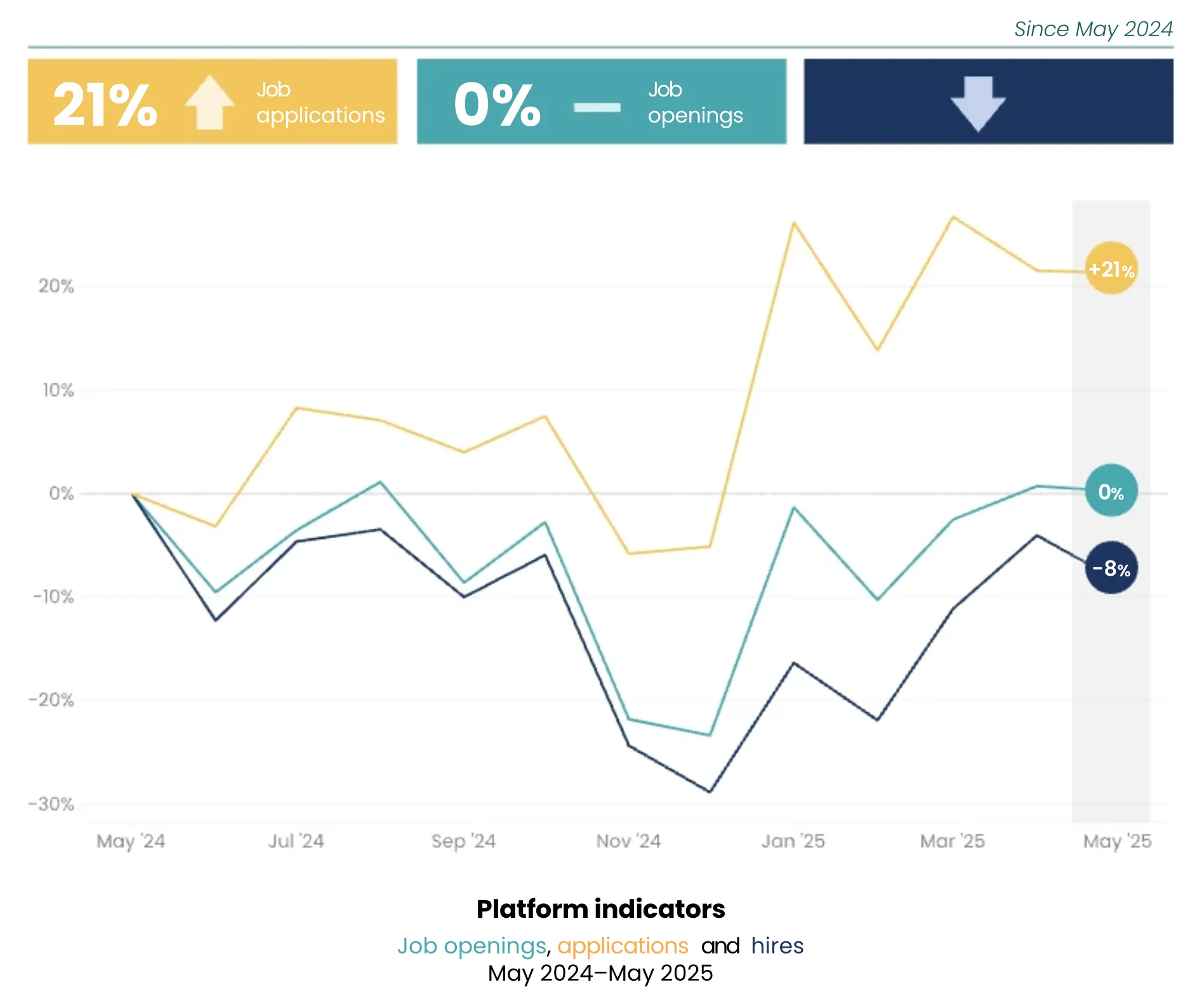
When we got into the gig economy, Khalifa didn’t pull punches. She called out the fantasy a lot of folks are still clinging to—that gig or fractional work is some kind of magical escape from the dysfunction of corporate life. Spoiler: it’s not. It’s just a different set of problems. The only difference? In this model, you’re betting on yourself. And for a growing number of professionals, that’s the only bet that feels safe. Especially when traditional employers are handing out pink slips while preaching loyalty.
But here’s where she really dropped the mic—Khalifa pointed out that the U.S. has rigged the system in a way that makes true independence nearly impossible. Healthcare, benefits, even our financial safety nets are tied to full-time employment. That’s not the case in most other developed economies. So while we’re watching a surge in contract and fractional roles, the infrastructure hasn’t caught up. We’re asking people to take bold leaps without the parachute—and then acting surprised when they crash.
The rise of gig work isn’t a trend. It’s a response to broken systems. It’s a movement led by people who are tired of being seen as a line item, tired of performing loyalty gymnastics for companies that treat them like numbers. Khalifa said it best: people aren’t running to gigs. They’re running away from being devalued.
"Workers are looking for loyalty from employers, which is often lacking in traditional employment models," Dr. Oliver observes. "The gig economy offers an alternative path to career satisfaction."
Skills, Reskilling, and Future Readiness
When Khalifa Oliver speaks about the future of work, she doesn’t tiptoe around the issue—she calls it what it is: a misunderstood opportunity. One of the most compelling insights from our conversation is her perspective on reskilling. She isn’t buying into the fear-mongering that tech will replace everyone. Instead, she reframes the conversation around rebalancing—not replacing—how we work. If a tool or AI agent can knock out five steps in a process, great. That frees us up to double down on the more meaningful parts of the job and evolve our skills. In her words, it’s not about being replaced—it’s about getting better at the parts that still require a human touch.
Khalifa also made it clear that we need to rethink how we talk about skills altogether. This isn’t about buzzwords or performative upskilling. It’s about deeply analyzing the work itself—what’s changing, what isn’t, and where the real value lies. And that’s where future readiness comes in. We’re no longer in an environment where a single job title or function tells the whole story. The rise of AI and tech integration is creating hybrid roles that demand breadth and depth. That means building T-shaped professionals who can flex across domains and lean on AI as a multiplier—not a threat. It’s not just about learning new tools. It’s about developing the humility and curiosity to work alongside them.
"Job analysis is crucial to understand changing requirements," Dr. Oliver notes. "Organizations must continuously evaluate and update their skill requirements."
Impactful Insights from Dr. Oliver
Here are five powerful quotes from the conversation that encapsulate key themes:
- "The future of work isn't about replacing humans with AI; it's about creating symbiotic relationships between technology and human potential."
- "Value should be placed on skills and outcomes rather than time spent at a desk."
- "The gig economy isn't just a trend—it's a fundamental shift in how people view work and career progression."
- "Ethical AI isn't an option—it's a necessity for building trust and maintaining human dignity in the workplace."
- "The most successful organizations will be those that master the balance between technological efficiency and human creativity."
What now?
The conversation with Dr. Oliver illuminates the complex intersection of technology, human capital, and workplace evolution. As organizations navigate these changes, maintaining focus on employee experience while leveraging technological advances will be crucial for success.
To hear more insights from Dr. Oliver and gain a deeper understanding of these crucial topics, listen to the full episode of the Human Capitalist podcast.