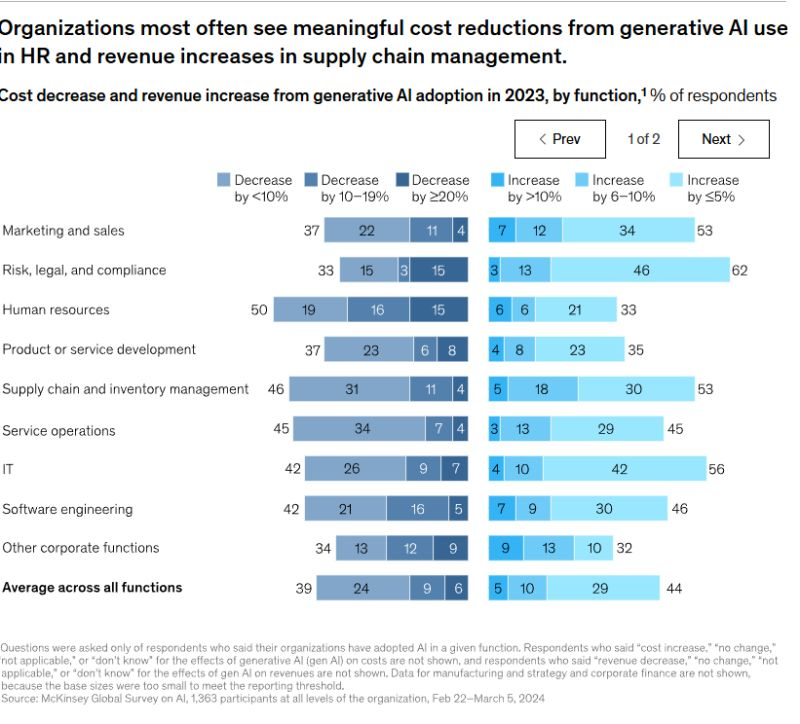
Anthropic’s Playbook focuses on AI agents designed to learn and adapt to changing contexts with minimal human guidance. These agents process large data sets, handle repetitive workflows, and deliver structured outputs fast. SHRM reports that 85% of recruiters using AI or automation say it saves them time and 86.1% agree it speeds up the hiring process.
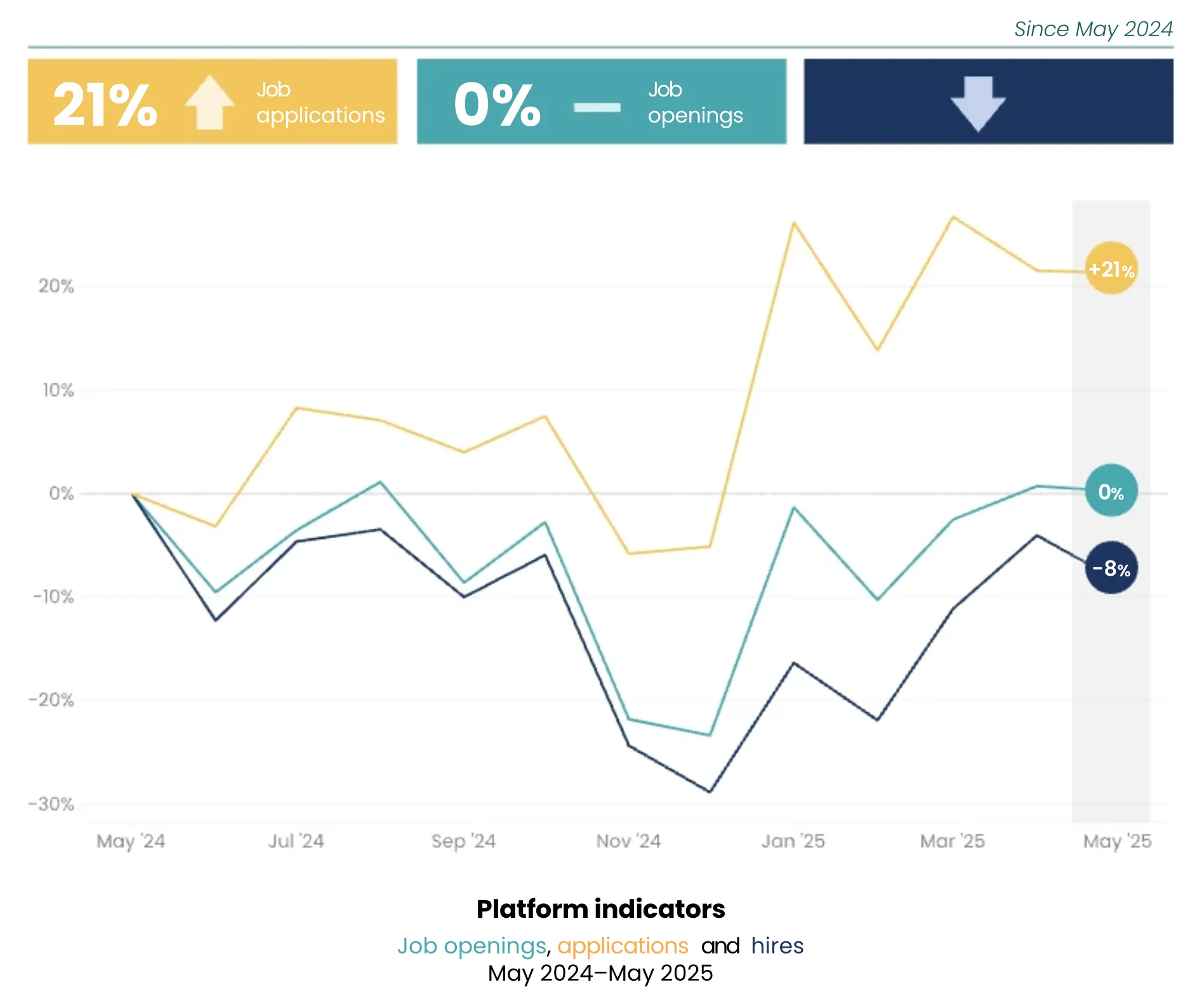
The most recent iCIMS June Workforce Report shows a applications continue to outpace openings and hires. For recruiters drowning in req loads, AI agents can act as force multipliers. They tap into internal and external talent pools, shortlist based on predefined quality markers, and schedule interviews with minimal friction.
According to LinkedIn’s Future of Recruiting 2025, 74% of talent professionals believe AI will be a critical part of hiring, transforming processes and efficiency over the next five years. That means recruiters need to go beyond just learning about AI, they need to get comfortable leading conversations about how these tools can be used responsibly.
For practical approaches on integrating AI in recruiting today, check out AI Tools for Recruiting Leaders.
What This Means for Recruiters
The biggest change driven by Anthropic’s AI Agent Playbook is a redefinition of what recruiters do day to day. As AI picks up administrative and repetitive workflows, recruiters will spend more time on what humans do best: building trust, influencing hiring decisions, and crafting a candidate experience that sets their company apart. The Gartner HR Trends report notes that talent teams must now shift from process executors to strategic advisors – and AI agents are accelerating this shift.
But here’s the catch: this transition demands upskilling. Recruiters will need to understand AI’s strengths and limitations to deploy it effectively. It’s not about replacing recruiters with AI; it’s about making recruiters more effective by offloading low-value tasks.
Opportunities and Challenges Ahead
No major shift comes without hurdles. One of the biggest challenges will be managing change within recruiting teams. Harvard Business Review points out that resistance to AI often comes from fear. Some of the most driving of these is the fear of job loss or loss of control over decision-making. Recruiters and TA leaders must tackle these fears head-on with transparency, training, and clear communication about the human-AI partnership.
On the opportunity side, AI agents could enable leaner recruiting teams to fill roles faster without sacrificing quality. Companies using recruitment CRMs report a 40% reduction in time‑to‑fill roles thanks to automation and AI tools. Beyond efficiency, AI agents can improve candidate experience by responding faster, keeping candidates engaged, and providing consistent communication.
If you would like to further the opportunities ahead. explore how to bridge AI and your workforce strategies.
Final Thought
Anthropic’s AI Agent Playbook signals a defining opportunity for recruiters. The moment isn’t just about speed or cost savings, although that seems to be the common narrative. What this is really about is elevating recruiting to a function that combines human intuition with AI precision. As these agents take over tasks like sourcing, screening, and scheduling, recruiters will finally get the time and focus to become true talent advisors.
Want to future-proof your recruiting team for the AI era? Start by exploring how these agents could free up your team to do what only humans can do best.