Estimated reading time: 10 minutes
Key Takeaways
- Human capital remains crucial despite the rise of AI and technology.
- Successful organizational change is driven by focusing on people.
- Leadership must balance technological advancements with human needs.
- Managing stress effectively can enhance adaptation and learning.
- Investing in continuous learning is essential in the modern workplace.
I recently had the privilege of hosting Michael Lopez on The Human Capitalist Podcast, and let me tell you—the conversation was fire. Anyone who follows my work knows I'm passionate about the intersection of technology and human capital, but Michael brought insights that challenged even my thinking about how organizations can successfully navigate transformation.
Watch the full episode here: https://youtu.be/qaR29V3MvuA
Why Most Transformations Fail (And How Not to Be a Statistic)
Let's start with the sobering reality: 70% of all transformations fail—and when it comes to digital transformation, that number spikes to 84% [McKinsey & Company]. That’s not just anecdotal; that’s data-backed failure on a global scale.
Why does this keep happening?
From my experience leading Sprint Recruiting and advising companies through major changes, I’ve seen firsthand what Michael confirmed during our conversation: technology isn’t the issue—people readiness is.
The organizations that flop tend to roll out tech upgrades like a coat of fresh paint, hoping it’ll cover the cracks in a foundation that hasn’t been reinforced. No real rewiring of the culture, structure, or leadership philosophy. That’s not transformation—that’s cosmetic.
The Paradox of AI-Driven Transformation
Here’s the rub: AI has the potential to deliver up to 40% productivity gains [Accenture]. But AI in isolation? That’s just an expensive tool with a slick interface.
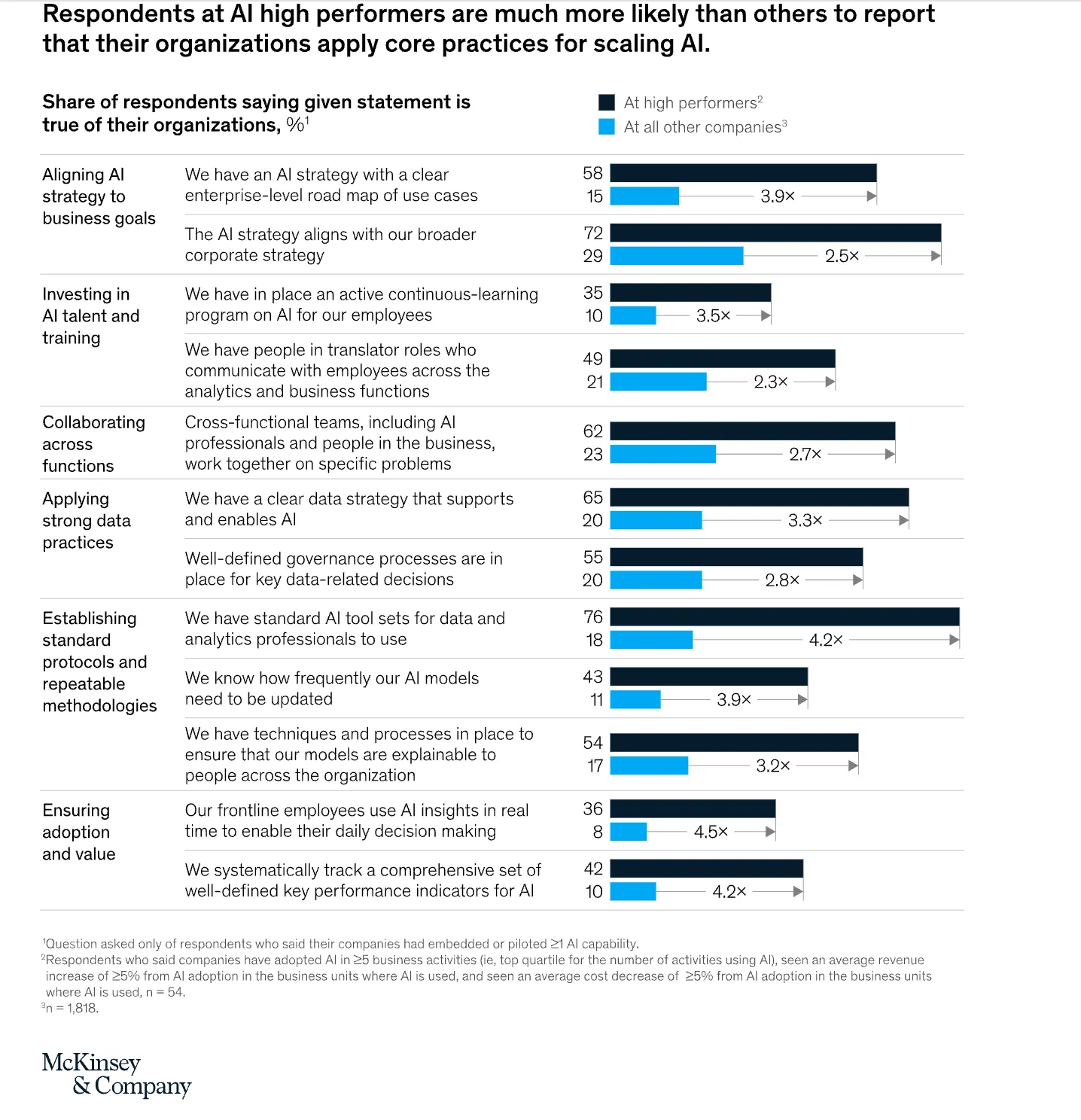
The real transformation happens when AI is paired with intentional, human-centered change. The companies actually seeing ROI on their AI investments are doing two things exceptionally well:
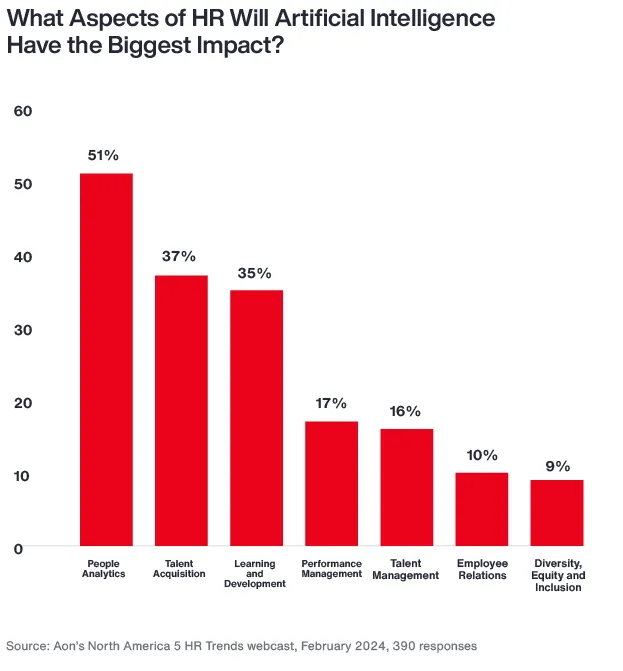
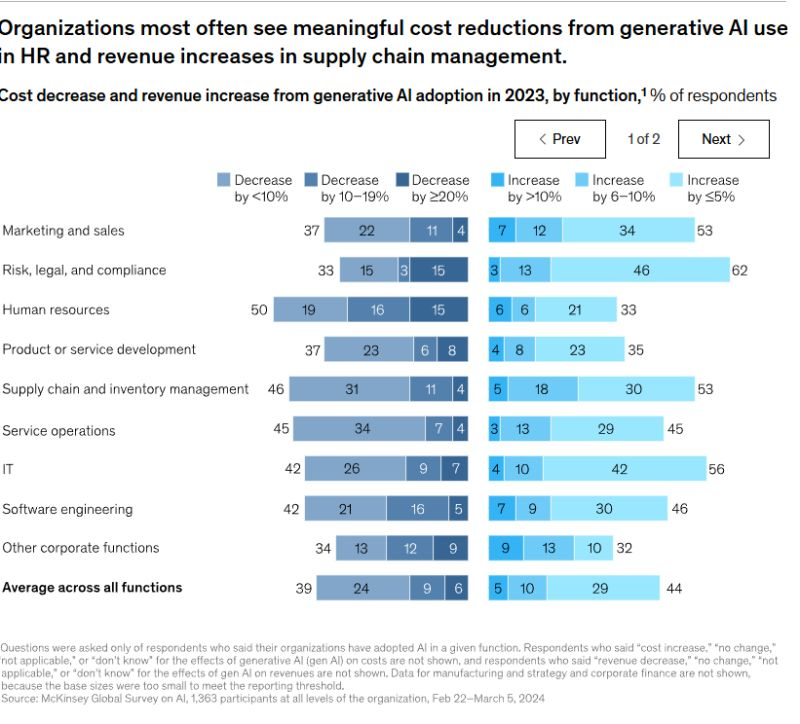
- They’re enhancing core HR functions—automating processes like sourcing and screening, and layering predictive analytics over workforce planning.
- They’re preparing humans for the shift—not just with training, but with psychological safety and a reskilling roadmap.
Michael and I talked about how so many companies want the upside of AI without investing in the muscle it takes to wield it. That reminded me of Ken Schumacher, where he broke down what true AI-human synergy looks like—not hype, but integration that empowers people.
Stress Management and Growth Mindset: The Secret Sauce
One of my favorite lines from Michael was:
“Stress creates focus.”
Not burnout. Not toxic hustle. Intentional stress—the kind that activates learning, reflection, and adaptation.
Too many orgs either coddle or crush their teams during change. The best ones? They build containers for discomfort that are psychologically safe. That tension creates grit, clarity, and evolution.
And that evolution hinges on a growth mindset—the belief that skills, intelligence, and performance are malleable. In one of my past podcast conversations with Ken Schumacher, he zeroed in on the role of pressure in shaping capability. That moment stuck with me and aligned perfectly with Michael’s take.
Leadership That Drives Transformation Success
Let’s get real: most transformations fail because leaders want compliance, not commitment.
You can’t mandate resilience. You model it. You can’t schedule innovation. You make room for it.
Here’s what high-impact leadership looks like in a transformation:
- Adaptability is visible—employees are watching, and if you’re static, they won’t move.
- Psychological safety is real—not performative, not theoretical. Your people know they won’t be punished for experimenting.
- Tech is adopted as a tool, not a savior—the human strategy comes first.
- Learning is ongoing, not episodic—I covered this idea in-depth in a blog post about strategic AI implementation, where I explained how learning agility determines transformation success.
And if you're still operating under the assumption that performance means perfection, you're doing it wrong. I explained that mindset shift in this video, challenging what it truly means to be “high-performing” in today’s workforce.
The Entrepreneurial Mindset: Your Competitive Advantage
Michael and I went deep on something many leaders underestimate—entrepreneurial thinking inside organizations. Especially in the chaos of transformation, that mindset is jet fuel.
When you empower employees to solve problems creatively, take calculated risks, and treat the business like it’s their own, that’s when transformation sticks. And it’s not just a theory. Research from Deloitte shows that high-performing AI adopters foster cultures of experimentation and reward fast learning over flawless execution.
That spirit was also front and center in my short on “Former High Performers”, which unpacks how traditional success metrics hold back innovation and transformation. Letting go of legacy definitions opens the door to real, bold thinking.
The Future of Human Capital: My Take
Where’s this all heading? Here’s what I see from the trenches:
- AI will augment, not replace—the human edge matters more than ever.
- Education is currency—data shows organizations with higher education concentration adopt AI faster and better.
- Culture is the moat—you can’t out-tech a toxic environment.
- Transformation is a practice, not an event—keep rewiring, keep evolving.
The big takeaway from both Michael’s insights and my own experience is this: you can't outsource transformation to tech vendors or consultants. You have to own it. Equip your people, trust their adaptability, and lead like it’s your legacy on the line—because it is.
For a more tactical breakdown of how AI is impacting L&D and reskilling, I also covered this in “The Great Reskilling” video, which outlines why HR must stop lagging and start leading the AI charge.
Final Thoughts: The Human Element Remains Critical
If there’s one thing you take from this post (and my conversation with Michael), let it be this:
In the age of AI, the human element isn’t irrelevant—it’s the multiplier.
Organizations that win will be the ones that don’t just implement AI—they integrate it into a culture that celebrates learning, risk-taking, and psychological safety.
Tech is evolving fast. Your people need to evolve faster—and they will, if you get out of their way and give them the right tools, mindset, and support.
Like this content?
👍 Found this valuable? Like it on LinkedIn and share with someone who needs to hear this.
📣 Don’t just follow trends—set them. Subscribe for real-world takes on HR and transformation.
🎙️ Looking for a bold, experienced voice on HR transformation and AI? Let’s talk.