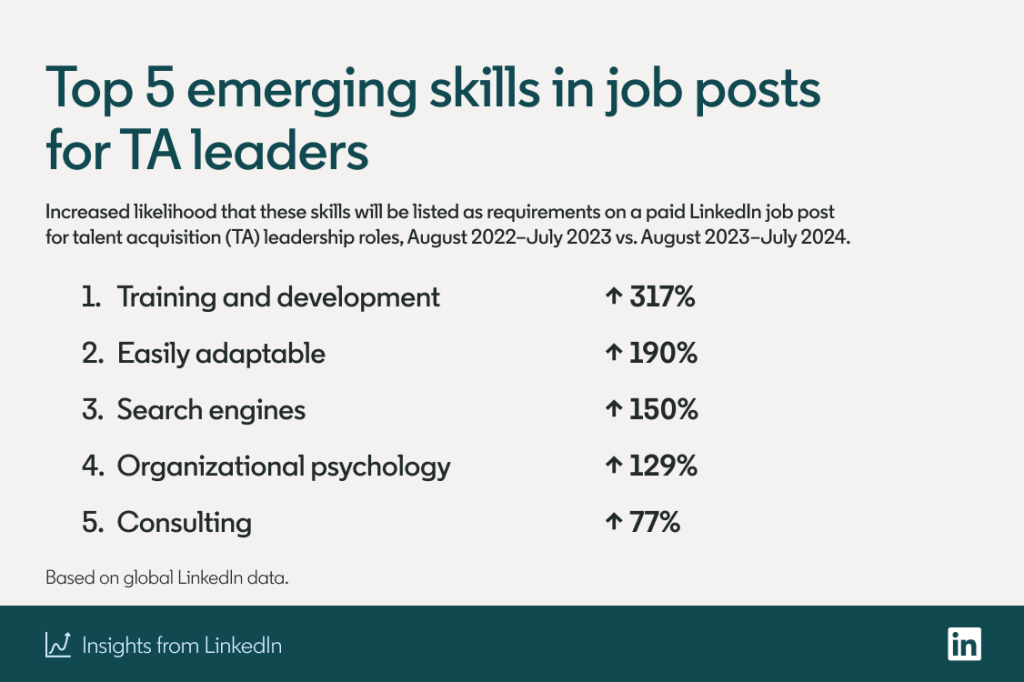
The corner office conversations have shifted dramatically. Top executives aren't just dealing with traditional business metrics anymore - they're wrestling with game-changing tech rollouts, talent gaps that seem to widen overnight, and the endless tug-of-war between remote and in-office mandates. I recently sat down with several Fortune 500 CEOs, and let me tell you - their unfiltered thoughts on where we're heading might surprise you.
The takeaways? Talent acquisition is undergoing a fundamental rebuild. We're not talking about minor tweaks to the recruiting playbook - we're seeing a complete overhaul of how organizations identify, develop, and retain top performers. And while some executives are digging in their heels against change, others are leveraging these shifts to completely restructure their talent strategy.
This divide in leadership thinking isn't just theoretical - it's reshaping hiring decisions right now. As a recruiting strategist who's been in the trenches with companies of all sizes, I'm seeing firsthand how these executive mindsets directly impact recruitment outcomes. Let's break down what this means for your organization's talent pipeline and how to position yourself ahead of these shifts.
Strategic Leadership Perspectives
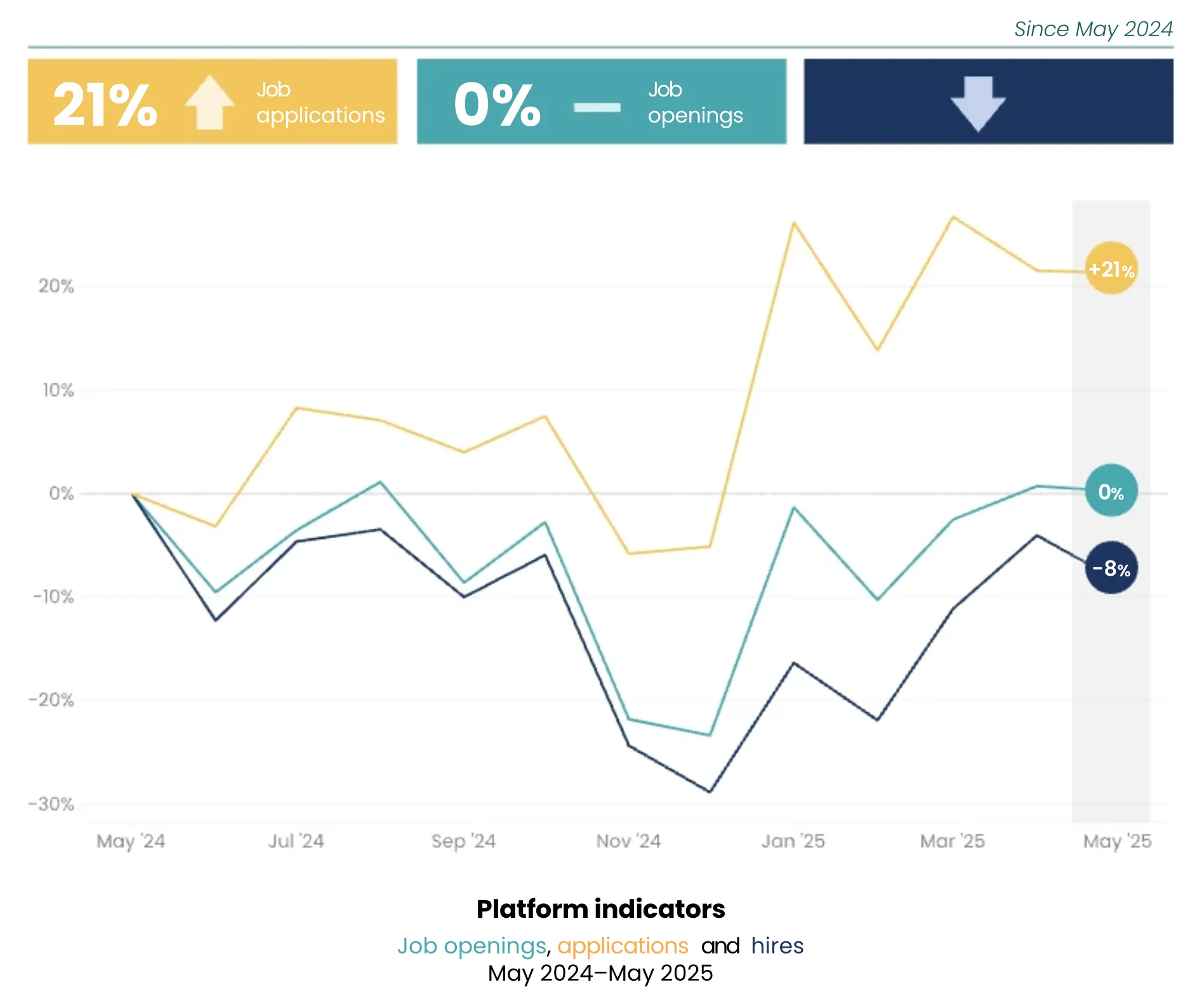
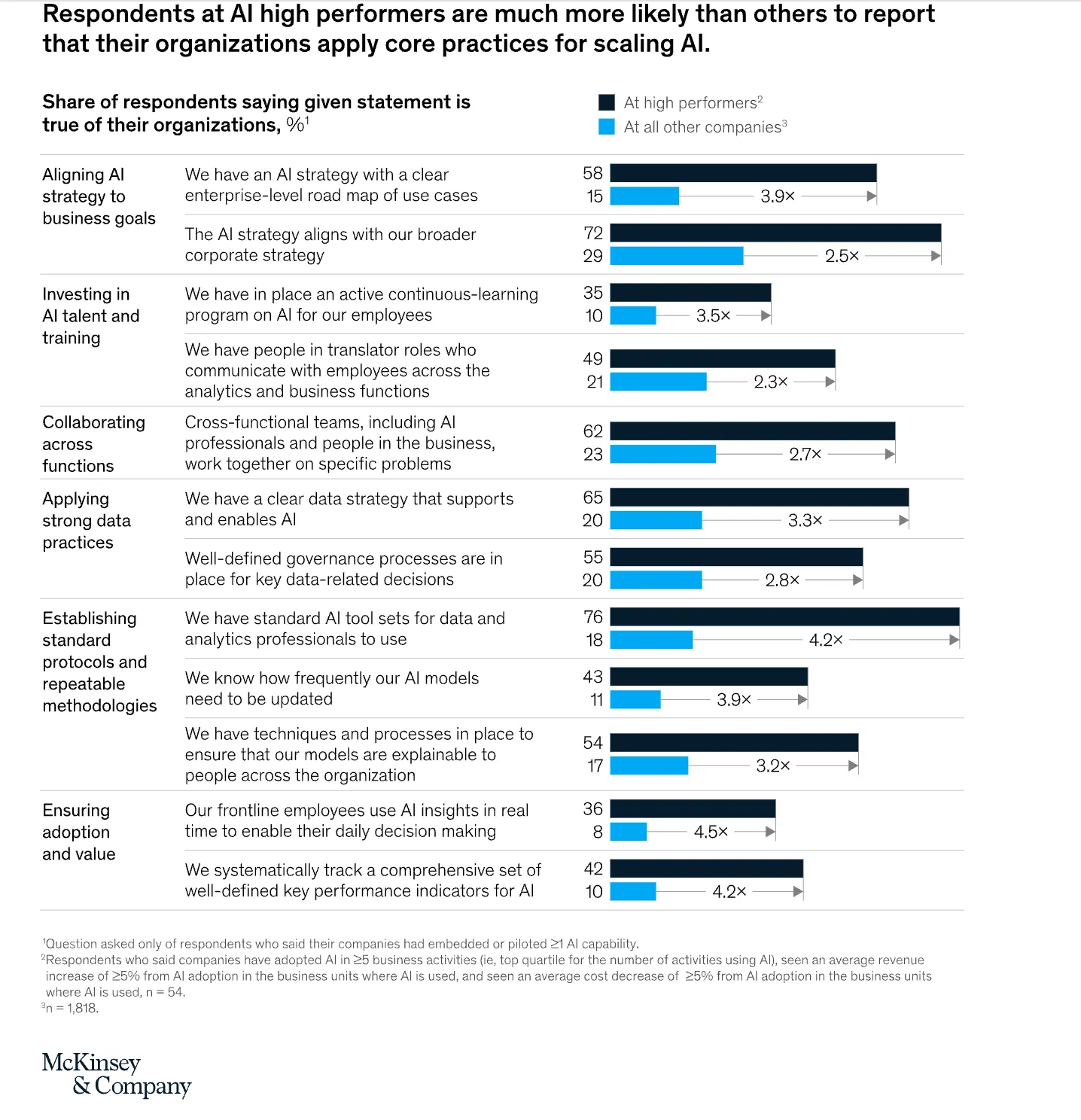
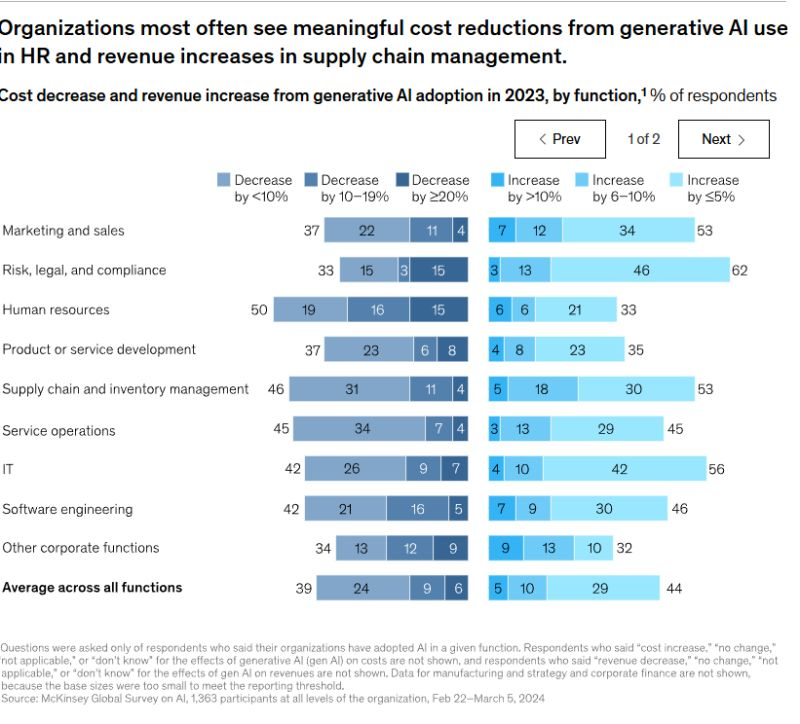
Jamie Dimon's recent commentary at JP Morgan Chase exemplifies the data-driven approach many leaders are taking toward workplace optimization. His evidence-based critique of operational inefficiencies aligns with McKinsey's comprehensive analysis of workplace productivity, particularly in hybrid environments. This strategic focus on measurable outcomes mirrors the concerns I explored in "Job Openings Vanishing: Is AI to Blame?", where we examined the quantifiable impact of technological disruption on workforce dynamics.
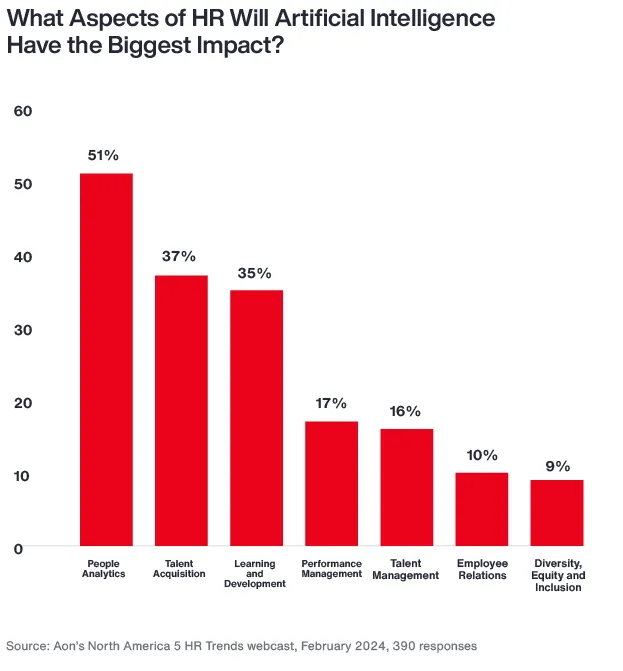
Microsoft's Satya Nadella presents a complementary perspective, emphasizing market adaptability and AI-enabled skill acquisition. His vision aligns with findings from the World Economic Forum's Future of Jobs Report, highlighting the accelerating pace of workplace transformation. This transformation is thoroughly examined in my recent analysis "AI in HR: From Onboarding to Employee Experience", where we explore practical applications of AI in talent development.
Workforce Evolution Through AI Integration
The integration of AI and human capital is revolutionizing organizational structures, as evidenced by Salesforce's innovative approach to workforce optimization. This evolution mirrors insights from Deloitte's Global Human Capital Trends, particularly regarding the symbiosis between human expertise and AI capabilities. For practical implementation strategies, refer to "My Favorite AI Tool for Employee Coaching", where I outline a systematic framework for AI-enabled talent development.
Strategic Imperatives for Talent Development
The data indicates an 18-month horizon of continued market volatility, making strategic upskilling initiatives crucial. According to MIT Sloan Management Review's research on digital transformation, organizations that prioritize continuous learning demonstrate superior adaptability and market performance.
HR's Strategic Evolution
HR professionals must evolve from traditional administrative roles to become strategic business partners. This transformation requires:
- Implementing data-driven skill assessment protocols
- Developing comprehensive upskilling roadmaps
- Utilizing design thinking methodologies for process optimization
- Creating measurable metrics for training effectiveness
Conclusion: Building Tomorrow's Workforce Today
Let's get tactical about what these C-suite perspectives mean for your talent acquisition strategy. These aren't just theoretical observations - they're reshaping how organizations approach talent right now.
The insights I shared in "High Performance Recruiting Leadership: Five Core Habits" show that organizations winning the talent war are adopting systematic, data-driven approaches to workforce transformation. This aligns perfectly with what I discussed in my latest YouTube analysis "The Effect of AI in Recruiting: 2025 and beyond", where we explored how technology is reshaping traditional talent acquisition models.
Strategic Implementation Framework
The organizations gaining competitive advantage aren't waiting for perfect conditions - they're executing now. As outlined in "Data Driven Candidate Sourcing Strategies", leading companies are:
- Auditing their current talent acquisition capabilities against future business needs
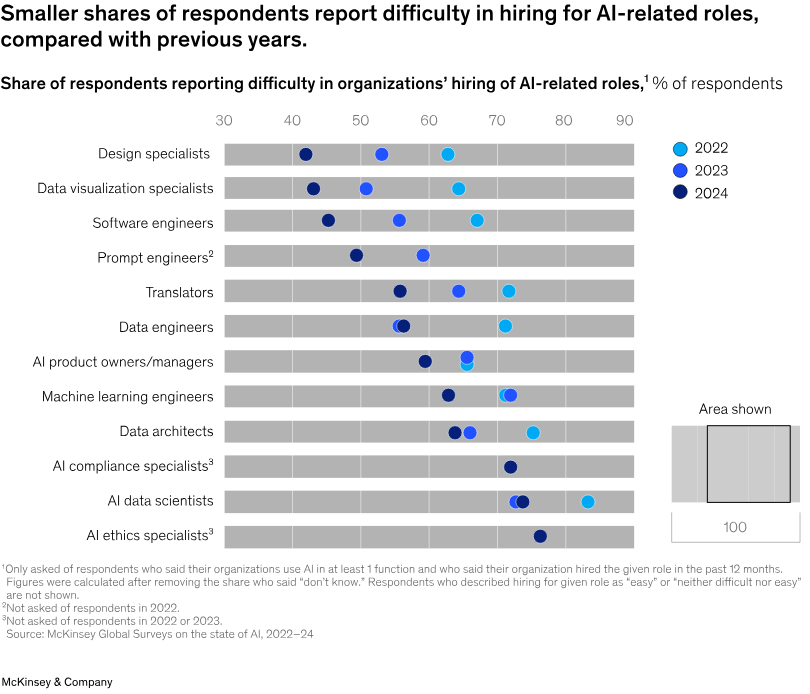
- Building systematic approaches to upskilling current talent
- Creating measurable benchmarks for recruitment effectiveness
- Developing partnerships across their organization to align hiring with business strategy
Measurable Outcomes
High-performing talent organizations are moving beyond traditional metrics. Drawing from "Recruiting Metrics - How Recruiting Can Tell Its Own Story", they're tracking:
- Time-to-productivity for new hires
- Quality of hire through performance metrics
- Return on hiring investment across different recruitment channels
- Candidate experience scores at each pipeline stage
- Long-term retention rates tied to sourcing channels
Your Strategic Next Steps
- Assess your current talent acquisition tech stack against future needs
- Implement a systematic approach to upskilling your existing workforce
- Develop data-driven decision models that predict hiring success
- Create frameworks for measuring recruitment effectiveness
- Build cross-functional partnerships to align hiring with business objectives
The organizations that will win the talent war aren't just reacting to change - they're architecting it. As explored in my analysis of "Talent Acquisition Strategies: A Comprehensive Guide", the landscape is evolving rapidly, but this creates unprecedented opportunities for organizations ready to transform their talent strategies.