Key Takeaways
- Human capital requires a financial lens to understand its value and impact on business outcomes.
- HR leaders need to embrace technology and AI and not shy away due to past failures or fear of the unknown.
- Understanding the problem is key before adopting AI solutions; AI is not a solution for every HR problem.
- The HR operating model is shifting towards flexible, technology-enabled structures.
- Self-exploration and continuous learning are crucial in the age of AI.
Watch the Full Episode:
📺 Find it on YouTube: https://youtu.be/LCrZF2gOJJM
In a recent episode of my Human Capitalist Podcast, I welcomed Lydia Wu, a seasoned expert with over 15 years of experience in HR technology, to discuss the transformative intersection of human capital, technology, and artificial intelligence. Our conversation gives some critical insights into how organizations must adapt their human capital strategies in an increasingly digital world.
Human capital, far more than a buzzword, represents the collective skills, knowledge, and capabilities that drive organizational success. As Lydia Wu emphasizes, "Human capital is more than just a fancy term; it requires a financial lens to truly understand its value and impact on business outcomes."
The Current State of Human Capital Management
Today's human capital landscape demands a sophisticated approach that combines traditional HR practices with advanced technology. According to Lydia, many HR leaders struggle with this evolution: "HR leaders need to embrace technology and not shy away from it. The hesitation we see often stems from past failures or fear of the unknown."
- Technology is revolutionizing workforce management
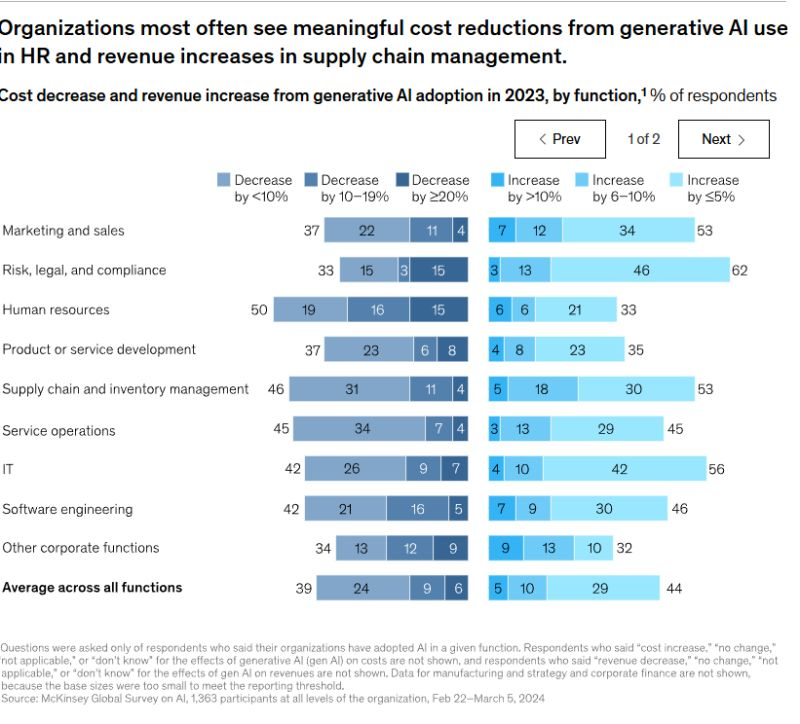
- AI is creating new opportunities for efficiency and innovation
- Data analytics is becoming essential for decision-making
- Traditional HR roles are being redefined
Technology's Role in Transforming Human Capital
The integration of AI and technology in HR isn't just about automation; it's about strategic transformation. Lydia notes, "AI is not a solution for every HR problem; understanding the problem is key." This insight underscores the importance of thoughtful technology adoption.
- AI-powered recruitment tools
- Advanced analytics for performance management
- Automated administrative processes
- Predictive workforce planning capabilities
Navigating the AI Revolution in HR
One of the most compelling insights from Lydia's discussion was her perspective on AI's impact on employment: "The speed of AI development is accelerating, impacting HR practices in ways we couldn't have imagined even a few years ago."
She introduces the concept of Jevons Paradox in relation to AI, explaining how technological efficiency often leads to increased opportunities rather than decreased demand. This paradox suggests that as AI makes certain tasks more efficient, it creates new roles and responsibilities that require human oversight and expertise.
The Future of HR Operating Models
The traditional HR operating model is undergoing significant transformation. As Lydia explains, "The HR operating model is set to change significantly in the coming years." She predicts a shift toward more flexible, technology-enabled structures that can adapt quickly to changing business needs.
- Movement toward pay-as-you-go talent acquisition models
- Integration of AI-powered decision support systems
- Enhanced focus on data privacy and security
- Increased emphasis on strategic workforce planning
Impactful Quotes from Lydia Wu
- "In moments of chaos, individuals should seek to identify and seize opportunities rather than retreat into comfort zones."
- "The future of talent acquisition may shift to a pay-as-you-go model, revolutionizing how we think about workforce planning."
- "Understanding data privacy and security is crucial in the age of AI; it's not just about adoption, but responsible implementation."
- "HR professionals need to leverage their political capital to drive change, or risk becoming irrelevant in the face of technological advancement."
- "Self-exploration and experimentation are crucial in the age of AI; we must be willing to learn and adapt continuously."
Conclusion
The evolution of human capital management represents a critical juncture for HR professionals and business leaders alike. As Lydia Wu emphasizes throughout the discussion, success in this new era requires a balanced approach that embraces technology while maintaining focus on human elements and strategic objectives.
To hear more insights from Lydia Wu and dive deeper into these topics, listen to the full episode on my Human Capitalist Podcast