The future of work might feel like a cliche but it's disrupting everything we thought we knew about organizational design. HR professionals are now at the edge of this revolution, tasked with building organizations that are adaptable and thriving in this new reality.
I was inspired by something I read lately. I thought it would be a great blueprint for how HR can take charge of this transformation. Let's dig in as we draw inspiration from an unlikely source: Steve Jobs.
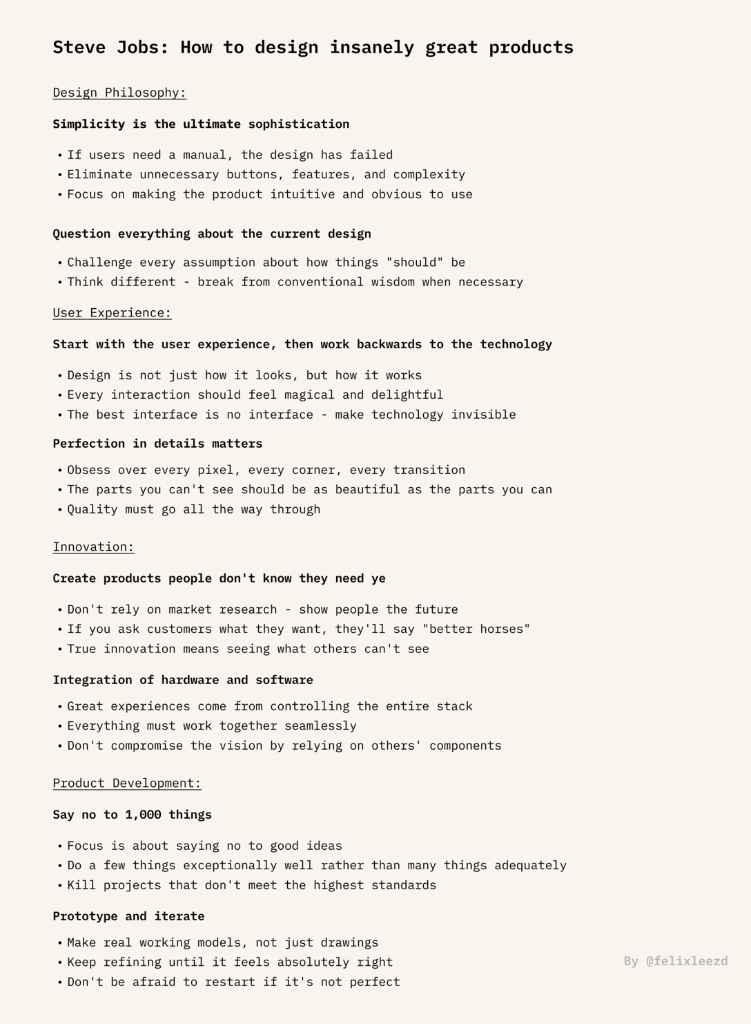
While Jobs revolutionized technology, his core principles of design thinking, user experience, and relentless innovation are surprisingly relevant to the challenges HR faces today. This blog post will explore how these principles can be applied to build a future-ready organizational design, drawing parallels between Jobs' approach to product development and the HR's role in shaping the employee experience.
Simplicity is the Ultimate Sophistication: Streamlining HR Processes
Jobs famously believed in stripping away the unnecessary to reveal the essence of a product. Similarly, HR can apply this principle to streamline processes, eliminate bureaucratic hurdles, and simplify the employee journey.
- Eliminate unnecessary policies and procedures: Just as Jobs eliminated unnecessary buttons and features, HR needs to critically evaluate existing policies and procedures. Are they truly necessary, or are they adding unnecessary complexity? A study by Deloitte found that 70% of companies are currently reviewing their HR policies to simplify them and make them more agile.
- Focus on intuitive and obvious solutions: Make HR processes user-friendly and easily accessible. Self-service portals, intuitive HR technology, and clear communication can significantly improve the employee experience.
- Question everything: Challenge the status quo. Don't be afraid to question traditional HR practices and explore new ways of doing things.
User Experience: Designing for the Employee
Jobs was obsessed with the user experience, and HR should be equally obsessed with the employee experience.
- Start with the employee, not the organization: Design organizational structures and processes with the employee in mind. Understand their needs, aspirations, and pain points.
- The best interface is no interface: Make HR processes seamless and invisible. Technology should enhance, not hinder, the employee experience.
- Perfection in details: Pay attention to every touchpoint in the employee journey, from onboarding to exit. Every interaction should contribute to a positive and memorable experience.
Perfection in Details Matters: Cultivating a Culture of Excellence
Jobs was a stickler for details, believing that even the smallest elements contribute to the overall experience. HR can adopt this mindset to create a high-performing and engaging work environment.
- Obsess over every pixel: Pay attention to the details of the employee experience, from the onboarding process to performance management. Every interaction matters.
- Every transition should be beautiful: Ensure smooth transitions between roles, departments, and career stages. Provide adequate support and resources to help employees navigate change.
- Quality must go all the way through: Strive for excellence in all HR practices. This includes everything from talent acquisition to learning and development.
Click the pic to subscribe.
Innovation: Anticipating the Future of Work
Jobs was a visionary leader who constantly pushed the boundaries of what was possible. HR needs to adopt a similar mindset to anticipate the future of work and prepare the organization for change.
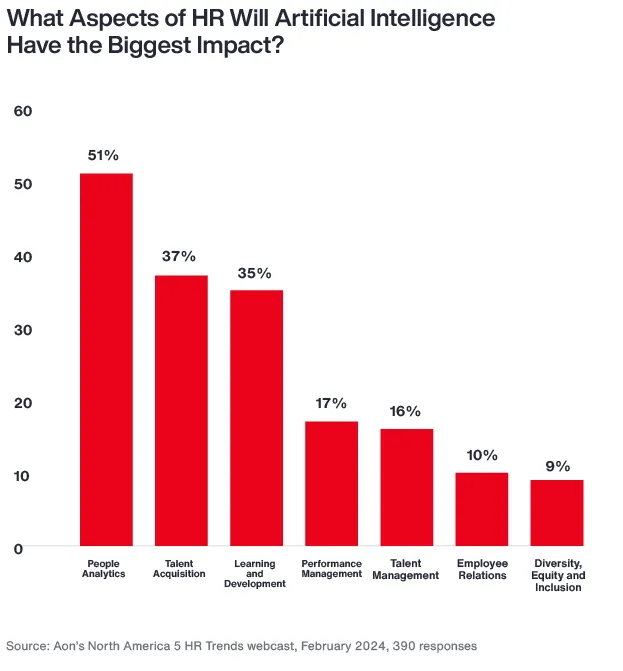
- Create products people don't know they need yet: Don't just react to current trends; anticipate future needs and proactively develop solutions. For example, explore new ways to leverage technology, such as AI and machine learning, to enhance HR processes.
- Don't rely on market research: While data is important, don't let it stifle innovation. Be willing to experiment and take risks.
- True innovation means seeing what others can't see: Challenge conventional wisdom and explore unconventional solutions.
Integration of Hardware and Software: Aligning Technology and Human Capital
Jobs understood the importance of seamlessly integrating hardware and software to create a cohesive user experience. Similarly, HR needs to ensure that technology and human capital are aligned to drive organizational success.
- Great experiences come from controlling the entire stack: HR needs to have a holistic view of the employee experience and ensure that all systems and processes are working together seamlessly.
- Everything must work together seamlessly: Integrate HR technology with other business systems to create a unified platform for managing employee data and processes.
- Don't compromise the vision by relying on others' components: Choose HR technology that aligns with the organization's values and goals.
Product Development: Building a Future-Ready Workforce
Jobs had a rigorous approach to product development, focusing on quality over quantity. HR can apply this principle to build a high-performing and future-ready workforce.
- Say no to 1,000 things: Focus on the most critical initiatives that will have the biggest impact on the organization.
- Focus is about saying no to good ideas: Prioritize initiatives that align with the organization's strategic goals.
- Kill projects that don't meet the highest standards: Don't be afraid to abandon projects that are not delivering results.
Prototype and Iterate: Embracing Agile HR
Jobs believed in the power of prototyping and iteration to refine and improve products. HR can adopt an agile approach to continuously adapt and improve organizational design.
- Make real working models, not just drawings: Pilot new initiatives and gather feedback before rolling them out organization-wide.
- Keep refining until it feels absolutely right: Don't be afraid to make changes based on feedback and data.
- Don't be afraid to restart if it's not perfect: Be willing to pivot if something isn't working.
Conclusion: The Future is Human
By embracing the principles of Steve Jobs, HR professionals can reimagine organizational design and build a workplace that is truly ready for the future of work. This requires a shift in mindset from traditional HR practices to a more agile, innovative, and employee-centric approach. The future of HR is not just about technology; it's about creating an environment where people can thrive, innovate, and reach their full potential.
For more insights on transforming your HR function, check out our articles on transitioning from HR to Human Capitalist and how HR is evolving with AI.