As artificial intelligence continues to reshape every industry, the practice of human resources is certainly not exempt. In fact, the long list of HR processes, from recruitment to employee engagement, seems ripe for the addition of AI capabilities. Yet, in the face of such promising potential, the successful integration of AI in HR operations has not been without its hitches.
An assorted bag of obstacles loom on the horizon, hindering the seamless fusion of AI-powered solutions into the HR framework. I have been a part of and led many transformations within HR and one of the parts of the process most often overlooked and unplanned is adoption and integration. I want to tackle three of the most significant challenges impeding the AI integration process. Along the way, we’ll uncover potent insights, shedding valuable light on the intricate maze of AI-powered HR transformation.
The Culture Clash: Combating AI Resistance
A Harvard Business Review article unveiled that tech adoption–or the lack thereof– begins with culture. The piece encapsulates the essence of a common dilemma many HR divisions face: the cultural resistance to AI integration. Employees, comfortable with familiar HR processes, may be skeptical of algorithmic assistance, fueling a powerful inertia against AI intervention.
The Harvard article explains that leadership often oversimplifies tech adoption, forgetting that it prompts a fundamental shift in the organization's cultural fabric. Convincing employees to trust AI recommendations requires more than mere directive. It necessitates the cultivation of a transformational culture—one that is not only receptive to AI but ardently supportive of its implementation.
While HR can definitely aid in this adoption journey, it really begins with two things: leadership and knowledge sharing. Leaders should be leading the discussion on how we can embrace AI and human integration. They need to facilitate safe spaces to discuss objections and fear while also providing the needed assurance and space to fail and learn.
Knowledge and success sharing are vital to adoption of any technology, most especially AI. Have team members who are your early adopters share their successes in solving problems using AI. Create challenges like hackathons (they’re not just for tech) and challenge teams to solve a problem leveraging AI. This helps build the necessary trust needed to ensure AI integration becomes a core aspect of your company DNA.
The Ethics Equation: Addressing AI-borne Biases
As AI takes on an increasing number of HR functions, there is rising concern about the ethical matters. In fact, every, and I mean EVERY, time I do a keynote or session on AI, the question of AI ethics always comes to the center stage.
A discourse published by Deloitte on AI in HR raises the flag on AI’s potential to unwittingly institutionalize biases in HR processes. As AI models learn from historical data, prejudices inherent in this data may seep into algorithms' "decisions", tainting impartiality. Mitigating such risks involves continuous and comprehensive audits of AI systems to identify and rectify bias-inducing patterns, a process both time-consuming and technically complex.
Overcoming this roadblock necessitates paired effort: organizations understanding the importance of ethical AI use, and AI developers prioritizing the construction of bias-free algorithms. For further insights on this topic, you can check AI Bias in Recruiting. Bonus: Below this article is a video of the Guru of AI Governance, Guru Sethupathy who joined the podcast to discuss topics like this.
The Skills Shortage: Bridging the AI Knowledge Gap
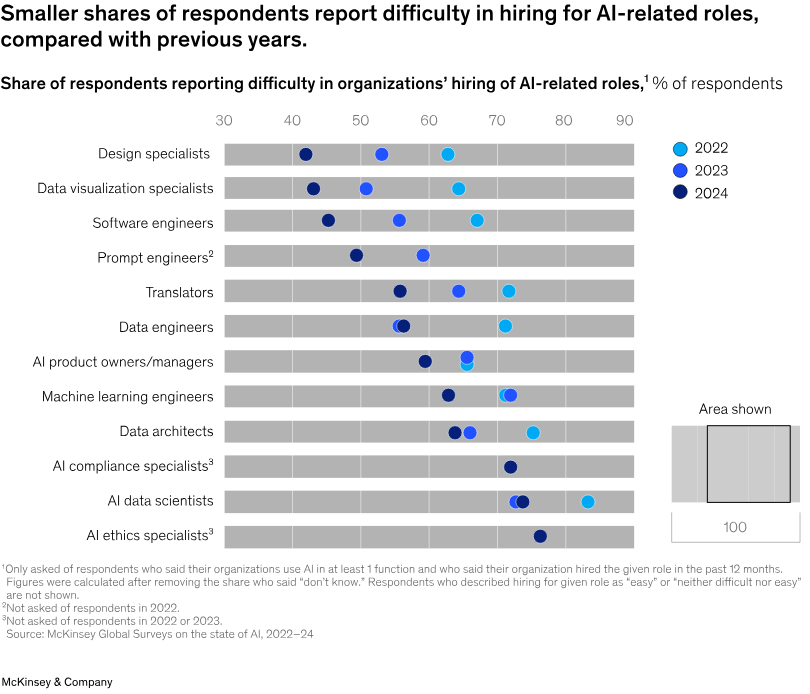
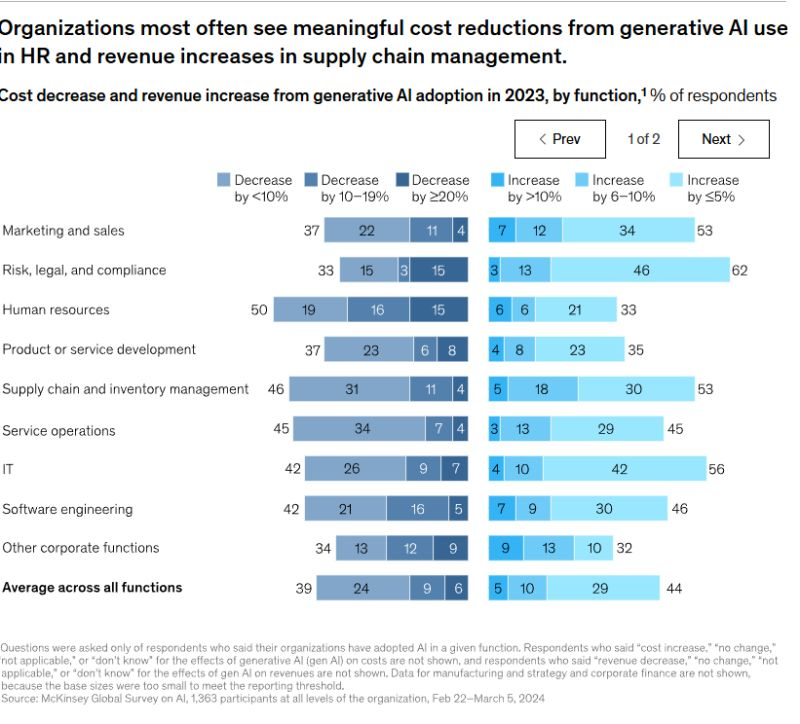
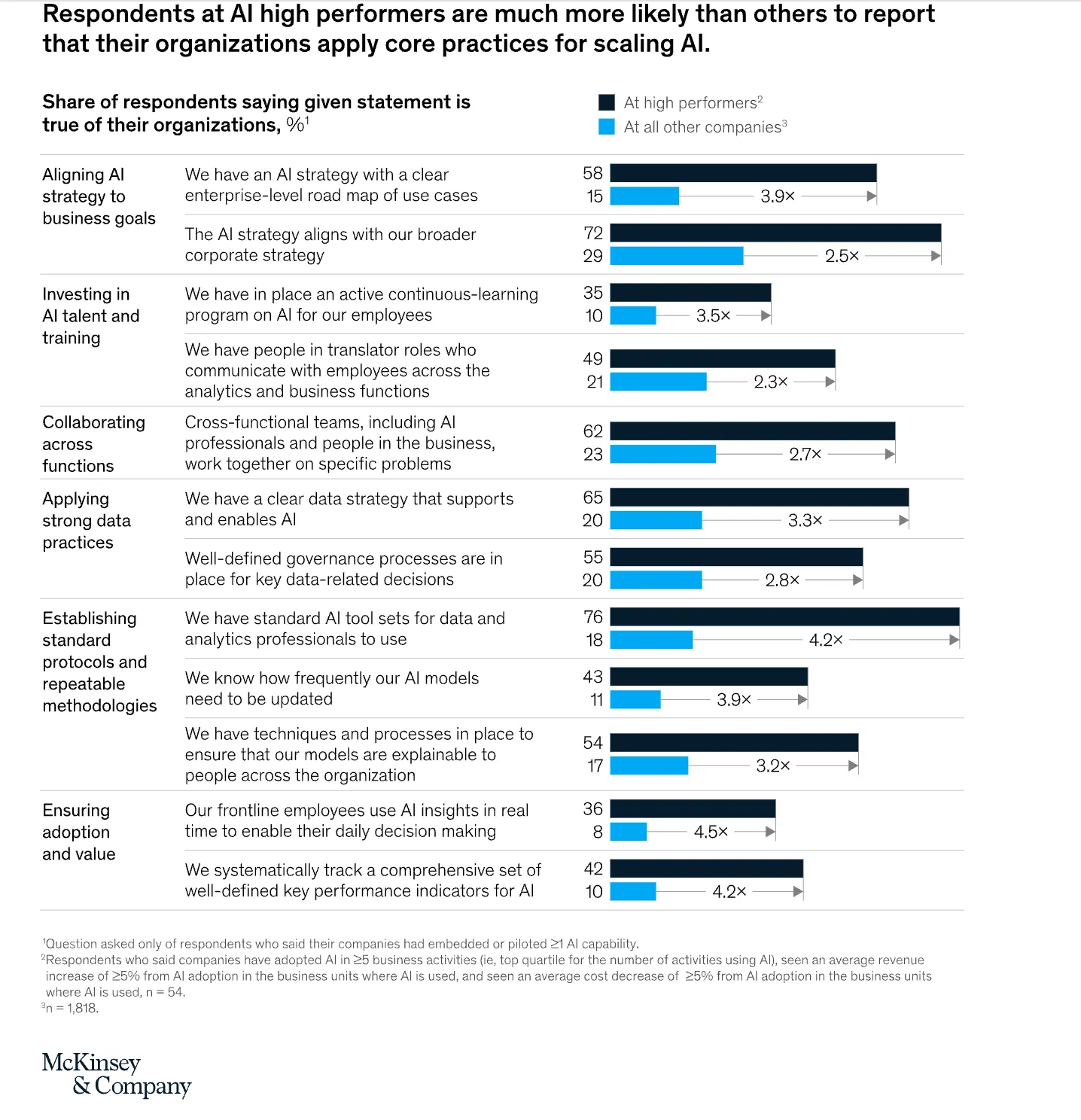
According to McKinsey's Global AI Survey, one of the largest challenges in AI adoption remains the dearth of AI-smart employees. Many HR professionals lack the comprehension to effectively utilize AI-based offerings, leading to either a misuse of the tools or complete non-use. In smaller organizations, the scarcity of expertise to even begin the journey of AI integration is a formidable barrier.
Overcoming this obstacle requires building a solid AI education framework within organizations, aimed at upskilling HR teams in AI-related spheres, and making available resources that demystify the complexities of AI. You might find 'AI in HR: From Onboarding to Employee Experience' insightful.
Conclusion
In the intricate web of HR operations, AI holds immense potential to enhance efficiency and decision-making precision. Yet, the path to AI adoption is marked by considerable hindrances. Overcoming these barriers mandates a multi-pronged approach that encompasses fostering a culture of change, squarely addressing ethical dilemmas, and working diligently to bridge the AI skills gap.
Conquering these obstacles would move organizations, one step closer to the vision of AI-infused HR, ringing in an era of augmented decision-making and elevated workforce experiences. For a deeper dive into the future workplace challenges and strategies, see Recruiting for Competitive Advantage.