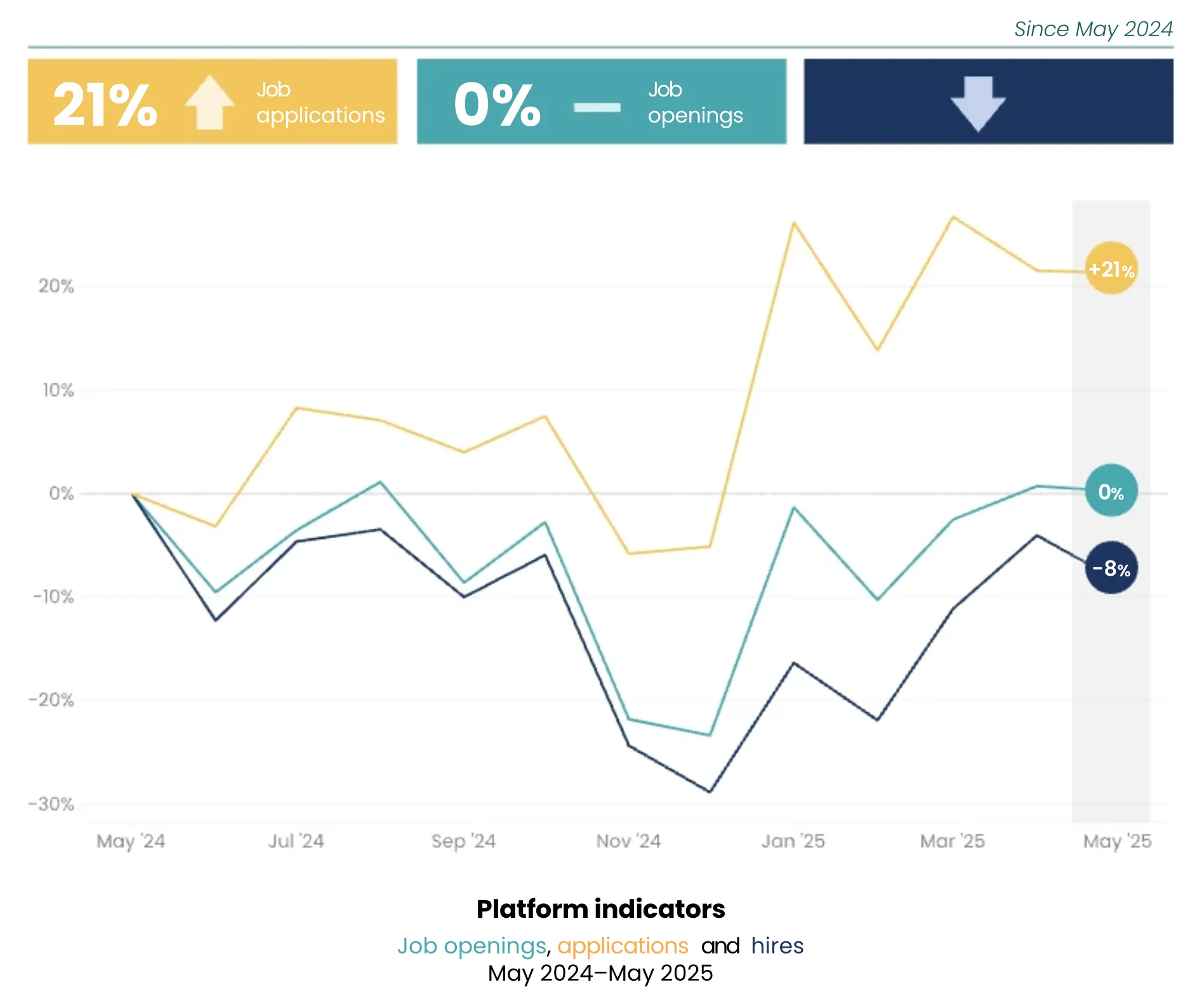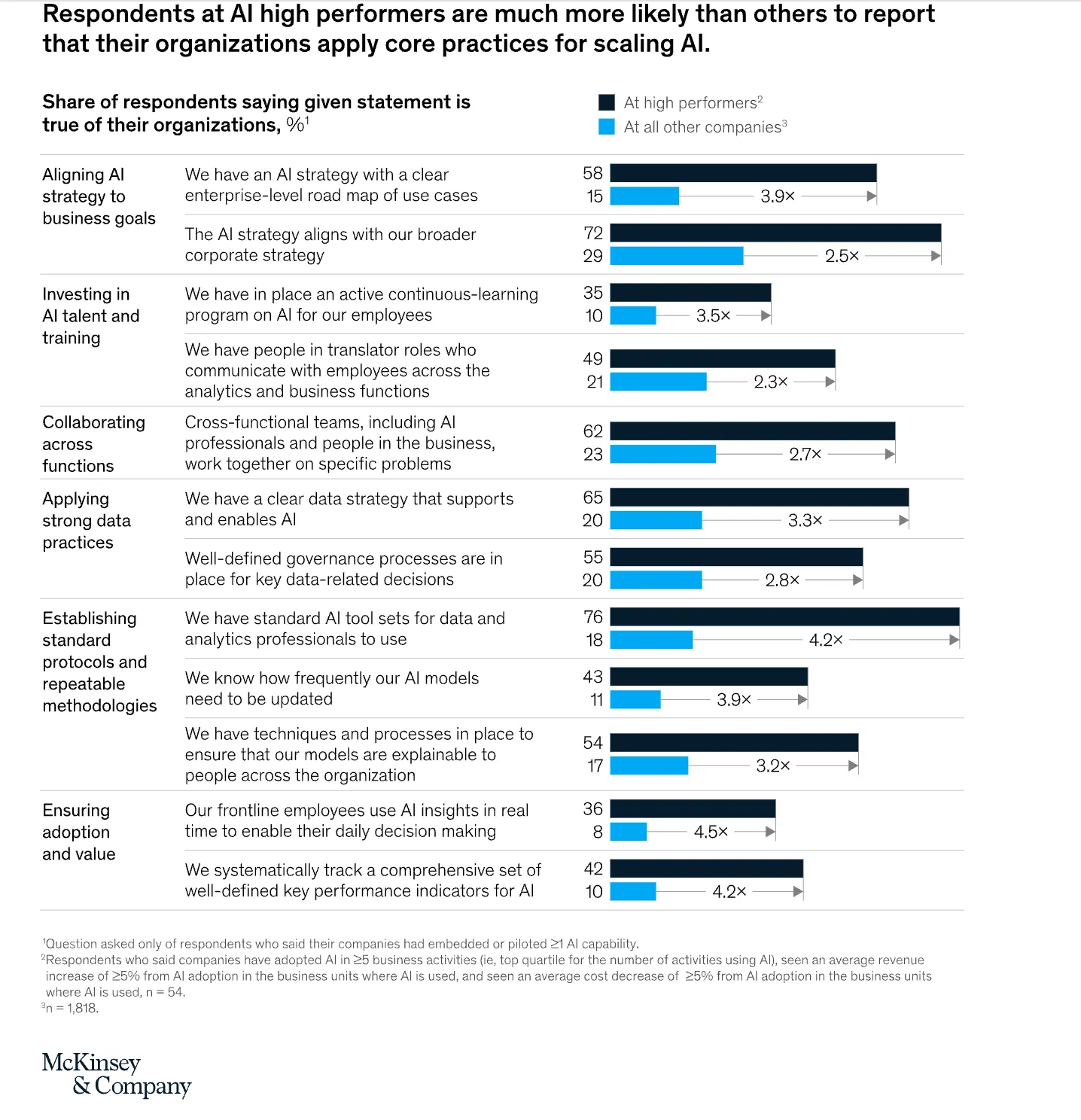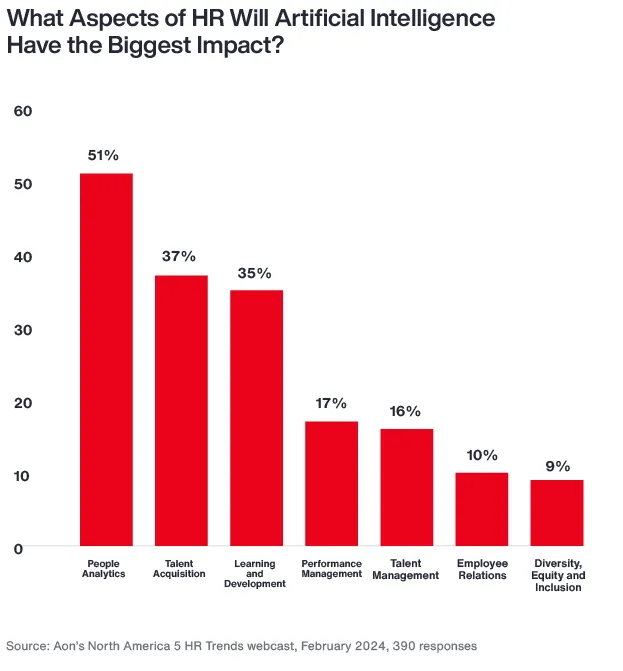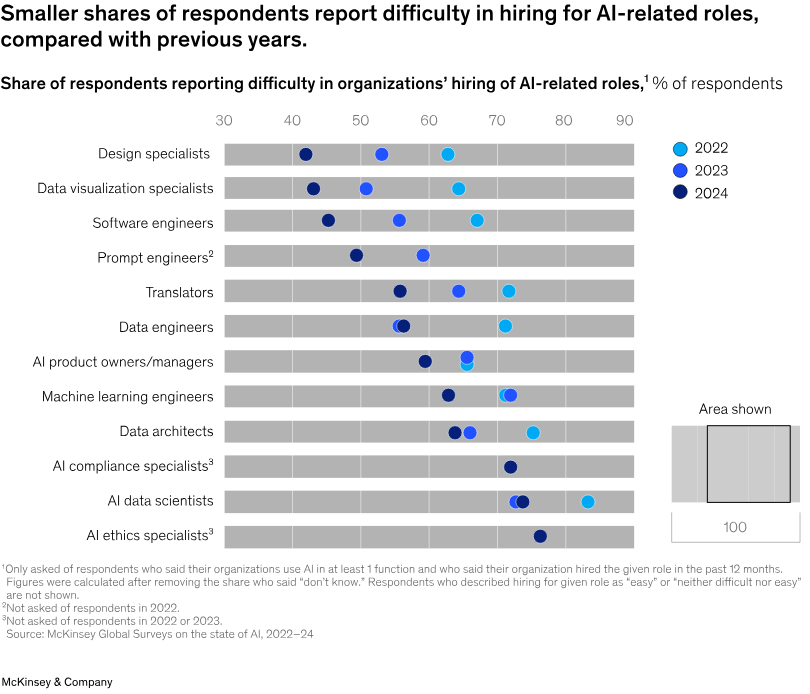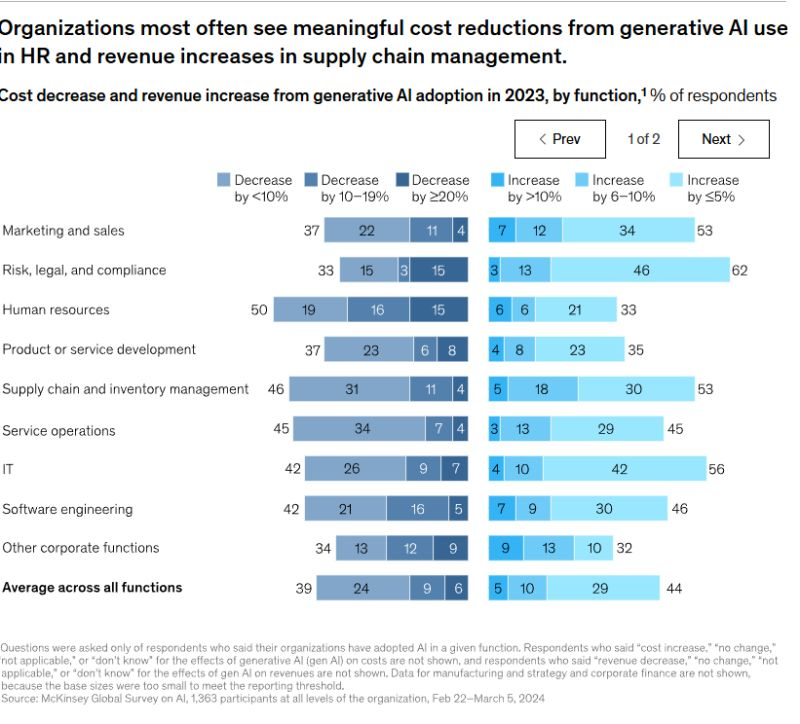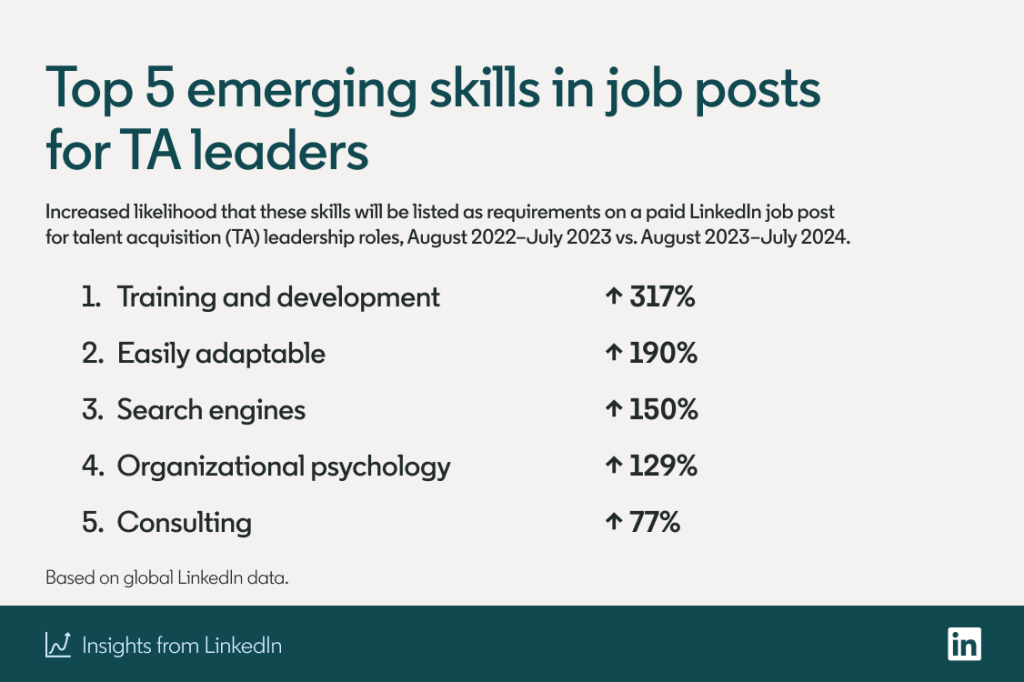
I have become fascinated with the AI stats in recruiting. As recruiting organizations strive to remain competitive in an increasingly dynamic job market, AI technologies are becoming essential tools for recruiters. By automating repetitive tasks, providing data-driven insights, and enhancing decision-making processes, AI is not only improving efficiency but also elevating the quality of hires. I want to get into the statistics, benefits, challenges, and future trends of AI in recruiting, offering a roadmap for talent acquisition professionals eager to harness the power of AI.
The Rise of AI in Recruiting:
AI's integration into recruiting processes is no longer a futuristic concept but a present reality for many organizations. According to a report by Forbes, over 60% of companies are now utilizing AI to enhance their talent acquisition strategies. This shift is driven by the need to streamline operations, reduce time-to-hire, and improve candidate experiences. AI technologies such as machine learning algorithms, natural language processing, and predictive analytics are being employed to automate tasks that were traditionally manual and time-consuming.
One notable example of AI's impact is in resume screening. Traditional resume screening is a labor-intensive process that often results in qualified candidates being overlooked due to human error or bias. AI-driven software can analyze thousands of resumes in seconds, identifying top candidates based on predefined criteria. This not only speeds up the screening process but also increases the accuracy of candidate selection. Companies that have adopted AI for resume screening have reported a reduction in time-to-hire by up to 40%, allowing recruiters to focus on more strategic aspects of the hiring process.
Benefits of AI in Recruiting:
The benefits of AI in recruiting extend beyond efficiency and speed. AI technologies offer a range of advantages that enhance the overall quality of the recruitment process. One significant benefit is the ability to leverage data-driven insights for better decision-making. AI tools can analyze vast amounts of data to identify patterns and trends that may not be immediately apparent to human recruiters. This enables organizations to make informed decisions about candidate selection, workforce planning, and talent management.
AI enhances the candidate experience by providing personalized interactions and timely feedback. Chatbots, for example, can engage with candidates in real-time, answering questions, providing updates, and guiding them through the application process. This level of engagement not only improves the candidate experience but also increases the likelihood of successful hires. Studies have shown that candidates who have positive interactions with AI-driven recruitment tools are more likely to accept job offers and remain with the company long-term.
AI Tools and Technologies in Recruitment:
The range of AI tools and technologies available to recruiters is vast and continually expanding. From resume screening software to chatbots and predictive analytics, AI is being used to enhance every stage of the recruitment process. One of the most popular AI applications in recruiting is the use of machine learning algorithms to match candidates with job openings. These algorithms analyze candidate data, such as skills, experience, and qualifications, to identify the best fit for a given role. This not only improves the accuracy of candidate selection but also reduces the risk of bias in the hiring process.
Another emerging AI technology in recruiting is predictive analytics. By analyzing historical data and identifying patterns, predictive analytics can forecast future hiring needs and identify potential talent gaps. This enables organizations to proactively plan their recruitment strategies and ensure they have the right talent in place to meet business objectives. According to a recent survey, companies using predictive analytics in their recruitment processes have seen a 20% increase in the quality of hires, demonstrating the value of this technology in talent acquisition.
Challenges and Considerations:
Despite the numerous benefits of AI in recruiting, there are challenges and considerations that organizations must address to ensure successful implementation. One of the primary concerns is the potential for bias in AI algorithms. While AI has the potential to reduce human bias in the recruitment process, it can also perpetuate existing biases if not properly managed. This is because AI algorithms are trained on historical data, which may contain inherent biases. To mitigate this risk, organizations must ensure that their AI tools are regularly audited and updated to reflect diverse and inclusive hiring practices.
Another challenge is the need for human oversight in AI-driven recruitment processes. While AI can automate many tasks, human judgment and intuition remain essential in making final hiring decisions. Recruiters must be trained to work alongside AI tools, leveraging their insights while also applying their expertise and experience. This requires a shift in mindset and skillset, as recruiters must become adept at interpreting data and using it to inform their decisions.
Future Trends and Predictions:
Looking ahead, AI is set to play an even more significant role in the recruitment landscape. As AI technologies continue to evolve, they will become more sophisticated and capable of handling complex tasks. One future trend is the use of AI for skills assessment and candidate evaluation. AI-driven assessments can evaluate a candidate's skills, personality traits, and cultural fit, providing a comprehensive view of their potential for success in a given role.
Another trend is the integration of AI with other emerging technologies, such as virtual reality and augmented reality, to create immersive recruitment experiences. Virtual reality can be used to simulate job environments, allowing candidates to experience a day in the life of a role before accepting a job offer. This not only enhances the candidate experience but also provides organizations with valuable insights into a candidate's suitability for a role.
Experts predict that by 2025, AI will be a standard tool in the recruiter’s toolkit, with more than 80% of companies using AI-driven technologies to enhance their recruitment processes. This will result in a more efficient, effective, and inclusive recruitment landscape, where organizations can attract and retain top talent in an increasingly competitive job market.
Conclusion
AI is undeniably transforming the future of recruiting, offering tools and insights that were previously unimaginable. Recruiters who embrace AI technologies are well-positioned to lead in the competitive talent acquisition landscape. As AI continues to evolve, it promises to bring even more innovation and efficiency to recruiting processes, enabling organizations to attract and retain the best talent.
Call to Action: What are your thoughts on AI in recruiting? How has it impacted your talent acquisition strategies? Share your experiences in the comments below. For more detailed insights, check out the Forbes article on AI statistics in business here.