The recent acquisition of Siete Family Foods by PepsiCo for a staggering $1.2 billion has sent ripples through the business world. But beyond the financial headlines lies a powerful lesson in brand evolution, a lesson that resonates deeply with my own journey and the transformation I see as necessary within the HR space.
Siete, the beloved tortilla and chips brand, didn't start with its now-iconic name. Born in 2014 as "Must B Nutty," the brand initially focused on its unique selling proposition: almond flour tortillas. While this differentiator fueled early success, the landscape quickly changed as larger competitors entered the market. Suddenly, being grain-free wasn't so special anymore.

What propelled Siete to its billion-dollar valuation? Authenticity. The Garza family, the heart and soul behind Siete, leaned into their Mexican-American heritage, rebranding with vibrant colors, bold patterns, and a name that honored their family of seven. They shifted from a product-centric story to a brand-centric story, and that resonated with consumers.
This resonates with me on a personal level. Just like Siete, I'm embracing a shift, an evolution. I'm excited to announce a deeper dive into the future of work and the critical role of Human Capitalists in shaping this future.
Embracing the Future of Work
I will always have a special place for content around recruitment. I will still continue to write about all of the interesting lessons, observations, and changes going on in the recruiting industry but I need a change. My content will now focus on four key pillars:
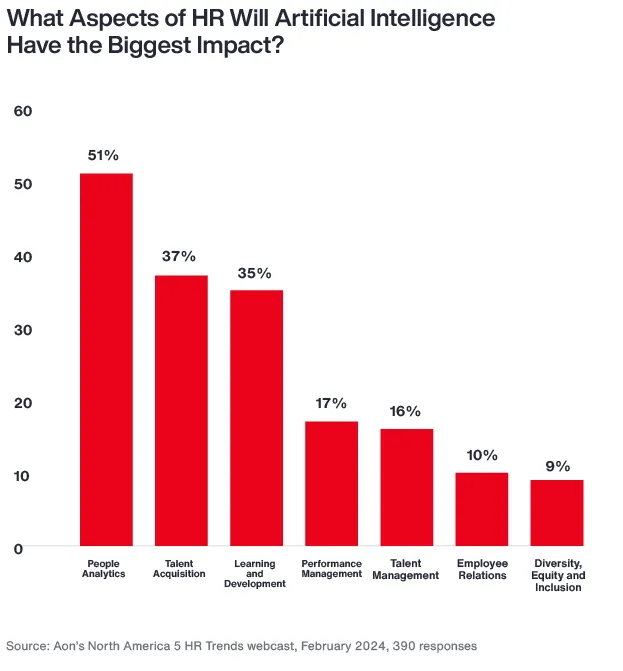
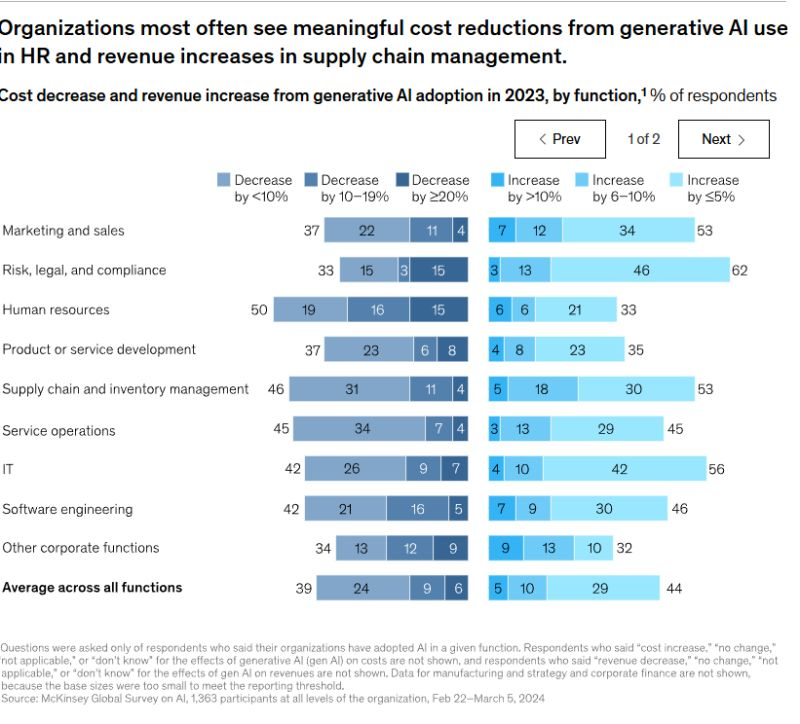
- The Future of Work with AI: Exploring how AI is transforming the workplace, from automation and augmentation to the ethical considerations we must address. Think AI-powered recruitment tools, personalized learning platforms, and predictive analytics for talent management. We'll delve into how AI can free Human Capitalists from mundane tasks, allowing them to focus on strategic initiatives and building meaningful relationships.
- AI Tools for the Human Capitalist: Showcasing practical AI tools and technologies that can empower Human Capitalists to optimize their work and drive better outcomes for their organizations. Imagine having AI assistants that can analyze employee data, identify skill gaps, and recommend targeted development programs. We'll explore how AI can revolutionize performance management, enhance employee engagement, and even predict future workforce needs.
- Reframing the Value of the Human Capitalist: Highlighting the strategic importance of Human Capitalists in navigating the changing world of work and driving business success. Human Capitalists are not just HR professionals; they are strategic advisors, culture champions, and employee advocates. We'll discuss how to elevate the role of the Human Capitalist within organizations, showcasing their impact on business performance, innovation, and employee well-being.
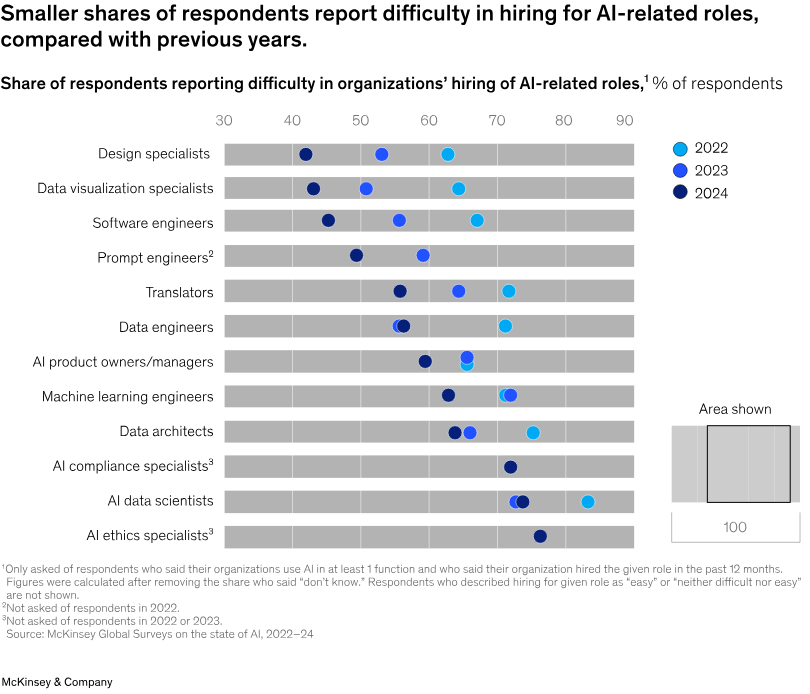
- Workforce of the Future: Examining the evolving skills and competencies needed to thrive in the future workforce and how Human Capitalists can prepare their organizations for this new reality. The future workforce will be agile, adaptable, and tech-savvy. We'll explore how Human Capitalists can foster a culture of continuous learning, reskilling, and upskilling, ensuring their organizations remain competitive in a rapidly changing world.
What is a Human Capitalist?
A Human Capitalist understands that people are not merely resources or expenses, but rather assets, investments. They recognize the immense value of human potential and prioritize creating an environment where individuals can thrive, grow, and contribute their best work.
This shift is a fundamental change in perspective. It's about moving beyond traditional HR functions and embracing a holistic approach that considers the entire employee lifecycle.
Key Principles of a Human Capitalist:
- Invest in People: Prioritize learning and development, mentorship, and opportunities for growth.
- Foster a Culture of Belonging: Create an inclusive environment where everyone feels valued, respected, and heard.
- Champion Well-being: Promote work-life balance, mental health, and overall employee well-being.
- Embrace Technology: Leverage technology to streamline processes, enhance communication, and improve the employee experience.
- Drive Performance: Align individual goals with organizational objectives, fostering a culture of high performance.
Why the Shift to Human Capitalism is Essential
There’s a lot of chaos in the world of work and organizations must adapt to thrive. The Human Capitalist approach is the future of HR based on these evolving needs of our end client. Here's why:
- Attracting Top Talent: Organizations that prioritize employee well-being and development have a distinct advantage in attracting and retaining top talent.
- Boosting Engagement and Productivity: When employees feel valued and invested in, they are more likely to be engaged and productive. It’s time employees have a voice in the decisions through an advocate rather than hoping the hall monitor (HR) will one day stand up for them.
- Driving Innovation: A culture of belonging and inclusivity fosters creativity and innovation. Human Capital is very much like actual capital- it has to come from diverse sources and be nurtured and celebrated.
- Building Resilience: Organizations with a strong human capital foundation will be better equipped to navigate challenges and adapt to change.
My Commitment to Inclusivity
Just as Siete embraced its heritage, I am committed to fostering inclusivity in my work. I believe that diversity of thought, background, and experience is essential for creating a thriving workplace. I will continue to amplify marginalized voices and advocate for equitable practices.
Siete's story reminded me that differentiation is key. As you navigate your own career or lead your organization, ask yourself: "What makes me/us different?" And keep asking that question, because the answer may evolve, and you must evolve with it.
This is my commitment to you. I'm evolving, just as I encourage you to. Let's embrace the Human Capitalist mindset together and create a future of work that is both fulfilling and impactful.