The hidden cost of neglecting managers is becoming increasingly apparent. Despite the countless challenges businesses have faced in recent years, one trend stands out: the decline in investment in people managers. With a paltry annual spend of less than $500 per manager, it's evident that this critical role has been severely overlooked.
The Growing Strain on Managers
Despite this lack of support, managers face higher expectations than ever before. They're expected to be both individual contributors and effective leaders, navigating demands from both their teams and upper management. The result? Overwhelmed, stressed, and disengaged managers.
As a leader, I can attest to the growing strain on my mental, emotional and sometimes physical well-being. I spend a lot of time focused on how to train and develop the team members in my organization but spend absolutely ZERO time on how to do it for myself.
When managers struggle, their teams suffer. Low trust, negative emotions, and a lack of value from manager interactions lead to disengaged employees, decreased productivity, and missed opportunities for growth.
The cost of poor management is staggering. Gallup estimates it amounts to a loss of $8.8 trillion globally. On the other hand, investing in organizational health and effective leadership can lead to a 35% increase in shareholder returns.
The Imperative
HR teams recognize the urgency of this issue. 74% are prioritizing manager support in 2024, but securing leadership buy-in and making the right investments remains a challenge. The problem is not recognizing the problem but doing something about it. In this endeavor, most HR professional feel their hands are tied.
Most of the time, we are asked to lead these leadership development initiatives with no budget, resources, or support from executive management. They feel this is more of a "touchy/feeling" type of initiative that should not warrant their attention or investment. This is the killer mentality most organizations face. HR cannot and SHOULD NOT lead this alone.
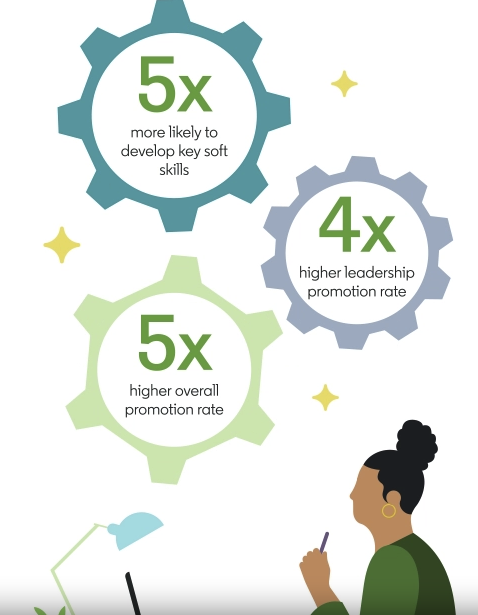
As budgets recover, HR has a unique opportunity to reshape leadership development. This means moving away from generic, one-size-fits-all solutions and towards targeted, high-impact programs that drive measurable performance.
Key Strategies for the New Normal:
- Prioritize high-impact, measurable programs
- Focus on developing on-the-job leadership skills
- Invest in solutions that drive meaningful performance
- Target high-impact leaders
- Utilize a variety of learning methods
- Offer tiered support based on individual needs and impact
- Personalize development to be relevant and address real challenges
Conclusion
The data is clear: underinvesting in managers is costly. By reimagining leadership development and prioritizing the needs of managers, businesses can unlock significant revenue potential, boost employee engagement, and achieve lasting success.
Call to Action:
Ready to transform your leadership development strategy? I can help with that! Let's work together!