The year is 2024, and the AI revolution is in full swing. It's no longer a futuristic fantasy; it's reshaping industries, automating tasks, and fundamentally changing how we live and work. But amidst all the excitement and hype, there's a critical question that every tech startup needs to answer: how will you build with AI?
This isn't just a technical question; it's a strategic one that will determine which companies thrive and which ones get left behind. Make the wrong choice, and your startup could be obsolete before it even truly takes off.
The Fork in the Road: Two Strategies for Building with AI
Let's break down the two primary approaches to building with AI:
1. The Static Approach: Building on Today's AI
This strategy involves leveraging the current capabilities of AI models like GPT-4. It's appealing because it allows startups to quickly integrate AI into their products, gain early traction, and potentially capture market share.
However, this approach comes with a significant risk. It assumes that AI will remain relatively static, that the models won't drastically improve in the near future. This is a dangerous assumption in a field that's evolving at breakneck speed.
2. The Dynamic Approach: Building for Tomorrow's AI
This strategy acknowledges the rapid pace of AI advancement. It means designing your product with the understanding that the underlying AI models will become exponentially more powerful and capable.
Think of it this way: if your product relies on a specific AI capability, and that capability suddenly becomes 100 times better, what happens? Does your product become 100 times better? Or does it become irrelevant?
Startups that adopt the dynamic approach are building for a future where AI is not just a tool but a constantly evolving partner. They're asking themselves: "How can we leverage future advancements in AI to create even more value for our customers?"
The Pace of Change: Why the Dynamic Approach is Critical
To understand why the dynamic approach is so crucial, consider the sheer speed of AI development:
- Exponential Growth: AI isn't improving linearly; it's improving exponentially. Think Moore's Law, but on steroids. OpenAI's GPT-3, released in 2020, had 175 billion parameters. Just two years later, Google's PaLM model boasted 540 billion parameters. This trend shows no signs of slowing down.
- Expanding Capabilities: AI models are not just getting bigger; they're getting smarter. They're becoming increasingly capable of performing complex tasks, from generating creative text formats to translating languages with near-human accuracy to writing different kinds of creative content.
- Accessibility and Affordability: The cost of accessing and utilizing AI is decreasing rapidly. This means that even small startups can leverage cutting-edge AI technology.
The Human Element: Navigating the AI Revolution
Building with AI isn't just about technology; it's about people. It's about understanding how AI will impact your workforce, your customers, and society as a whole.
This is where the Human Capitalist comes in. These are forward-thinking HR leaders who are not just managing employees but strategically shaping the future of their organizations in the age of AI. They're asking questions like:
- Workforce Adaptability: How can we ensure our employees have the skills and mindset to thrive in an AI-powered world?
- Reskilling and Redeployment: As AI automates certain tasks, how can we retrain and redeploy our workforce to focus on higher-value activities?
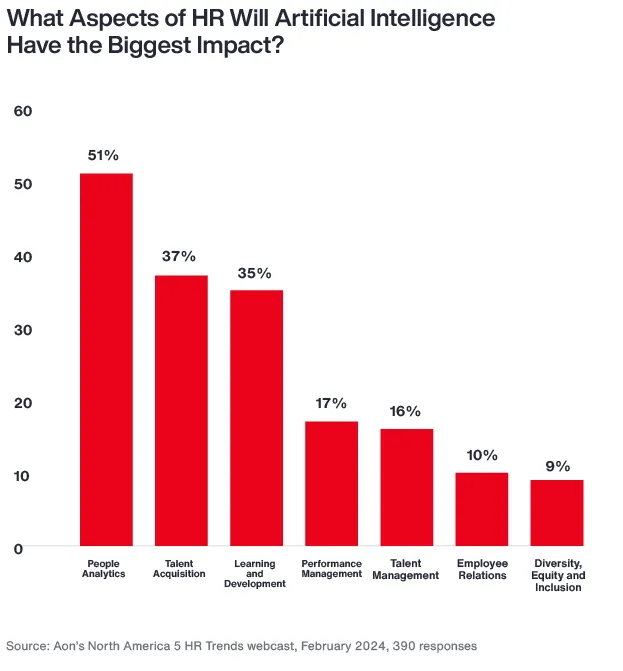
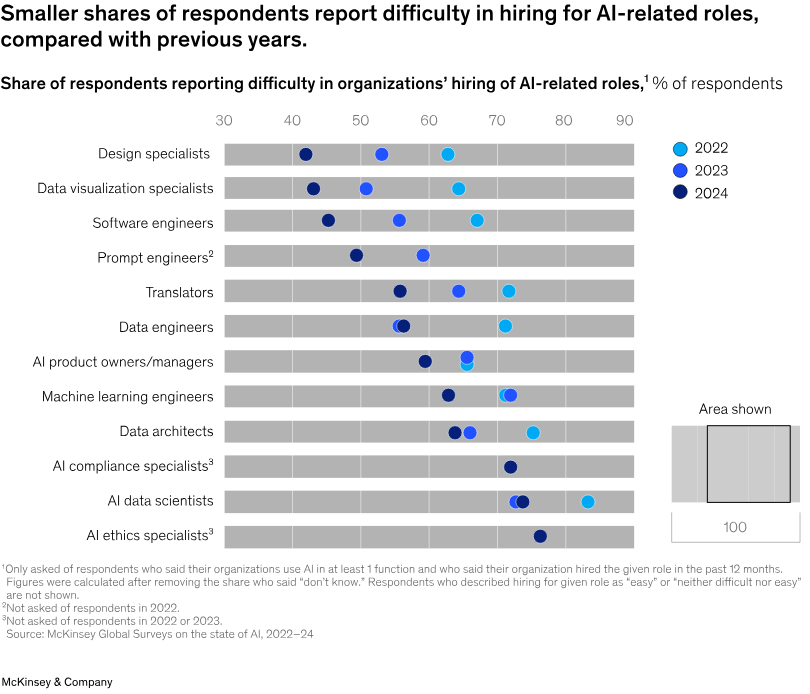
- Talent Acquisition: What new roles will emerge as AI becomes more prevalent, and how do we attract and retain the right talent?
- Organizational Structure: How do we need to restructure our organization to maximize the benefits of AI?
Human Capitalists understand that AI is not just a technological disruption; it's a human one. They're actively involved in discussions with AI leaders, shaping the development of AI in a way that benefits both businesses and society.
The Choice is Yours
The future of tech startups hinges on their ability to adapt to the rapidly evolving AI landscape. Those that choose to build on the assumption of continuous AI advancement and prioritize human capital adaptability will be the ones that dominate. Those that cling to the status quo risk being left behind.
So, which path will you choose?