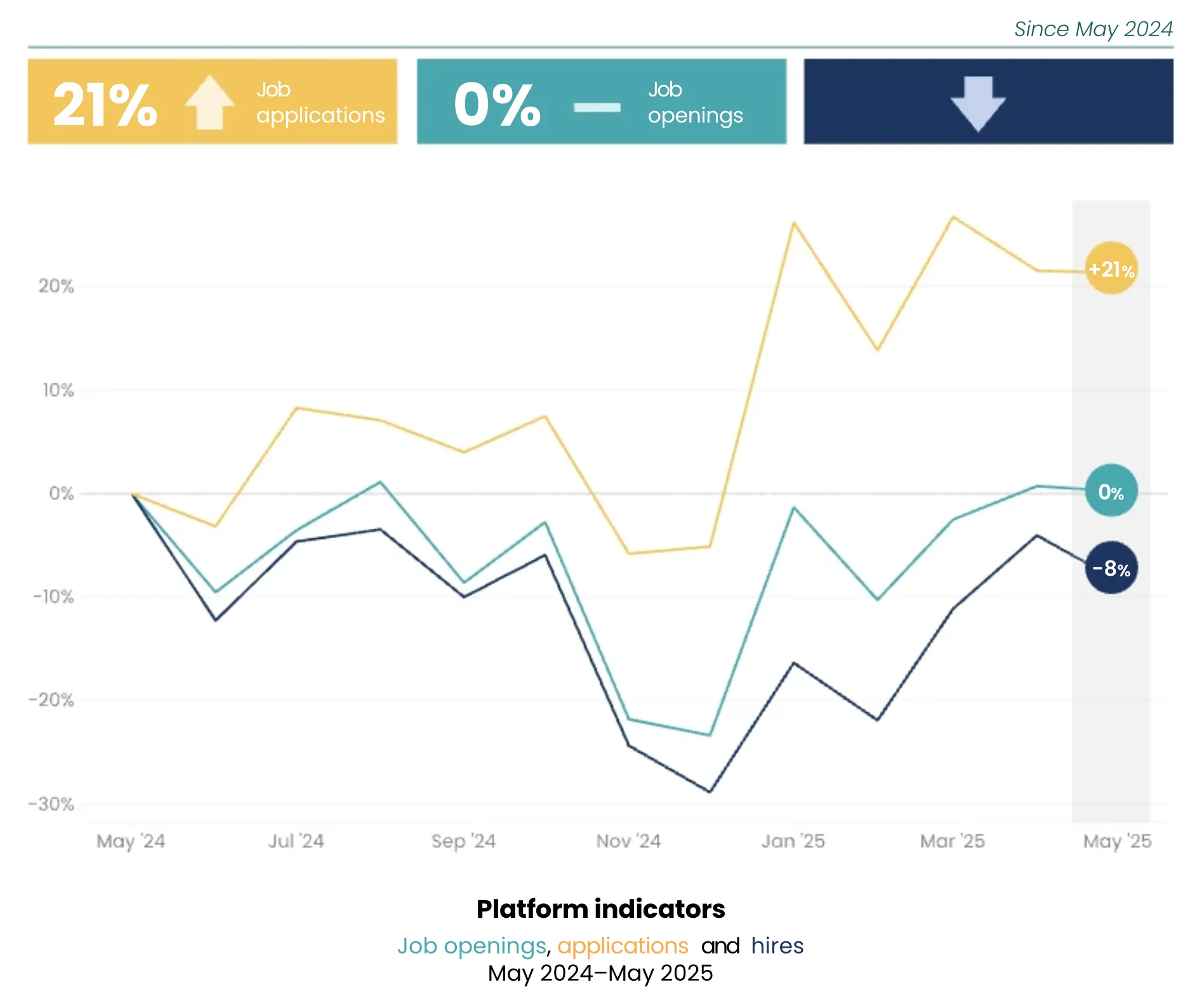
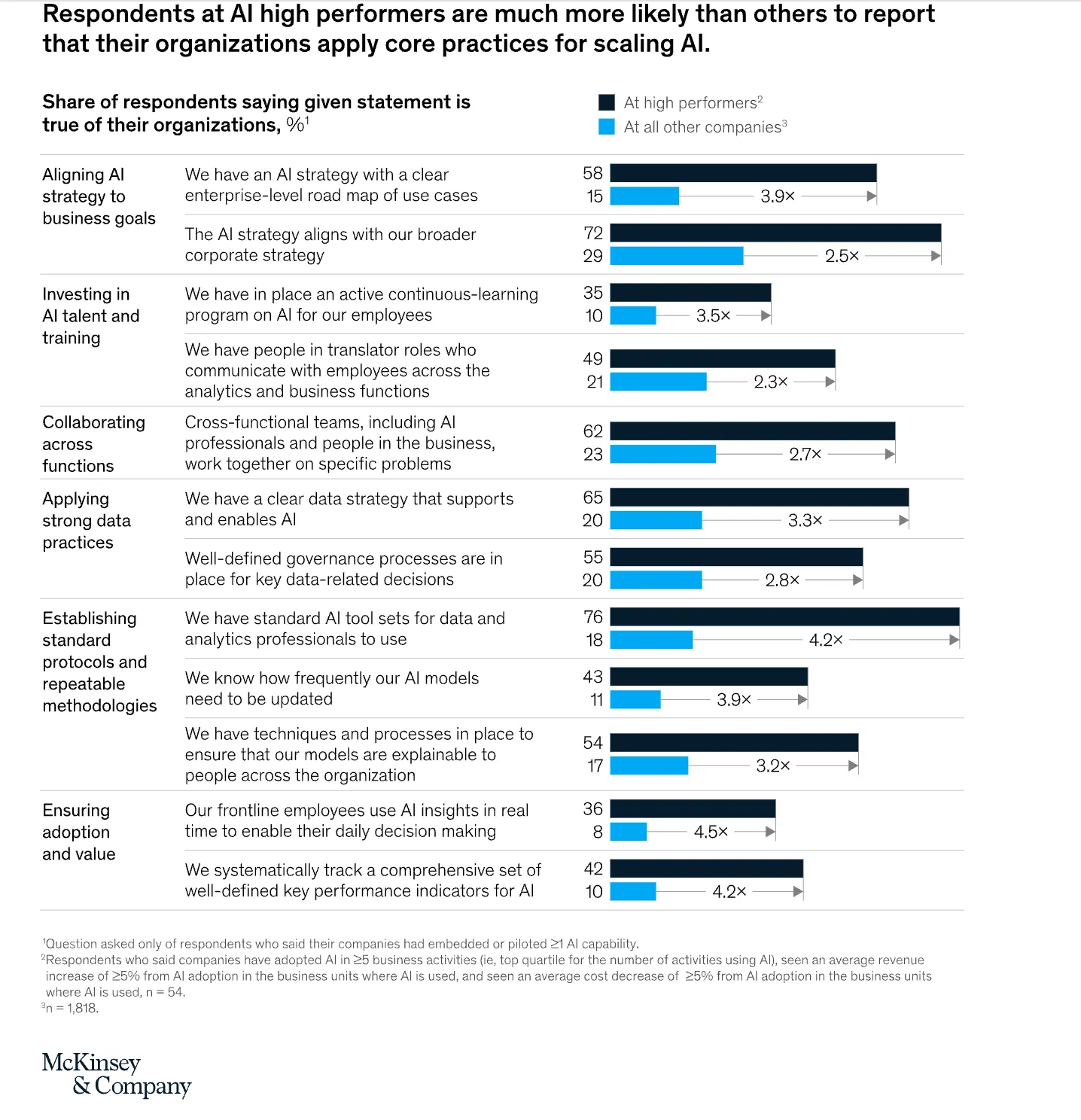
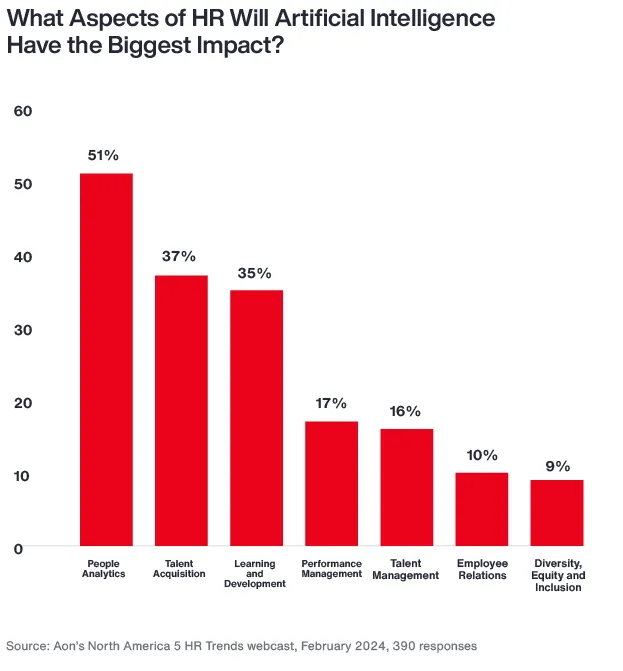
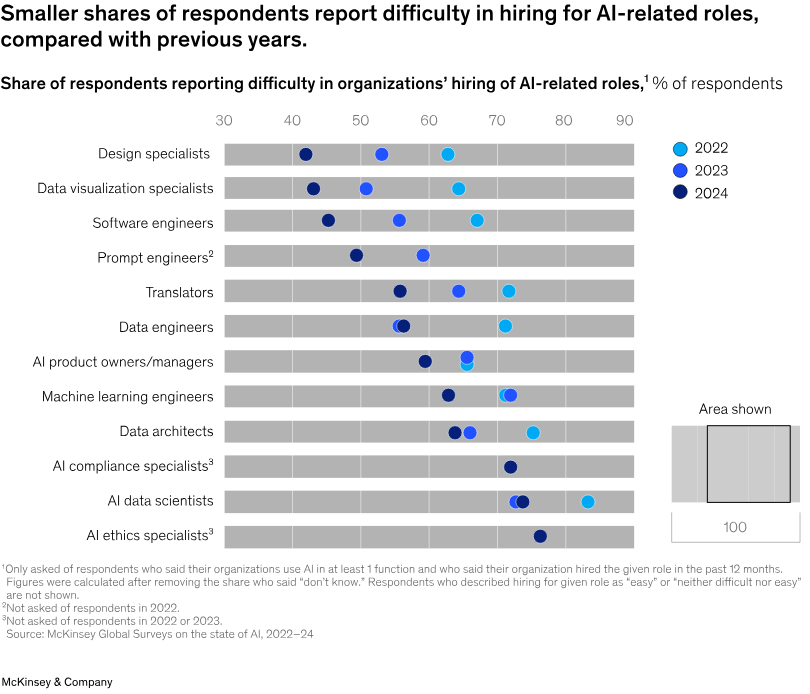
Data driven candidate sourcing strategies have always been linked to a successful recruiting practice. The current environment makes this even more dire. The latest Korn Ferry HR report made a startling prediction: More than 85 million jobs could go unfilled by 2030, resulting in about $8.5 trillion in unrealized annual revenue due to talent shortage.
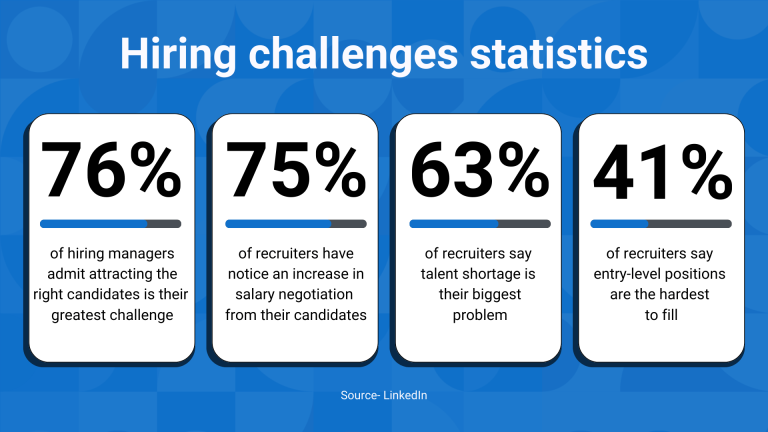
Today’s successful businesses rely on data-driven candidate sourcing strategies to ensure success. By leveraging data and analytics, organizations can make informed decisions and attract the most qualified candidates. When developing your data driven candidate souring strategy, your goals should be:
- An active and relevant pipeline of top talent
- Highly engaged pool of talent who are attracted to your brand
- Increased ROI on all sourcing platforms and activities
1. Building a Strong Employer Brand through Data Insights
Building a strong employer brand is crucial in attracting top talent, and data insights can significantly enhance this process. By analyzing data related to candidate preferences, feedback, and market trends, businesses can develop a compelling employer brand. Here are strategies to consider:
Analyzing Candidate Feedback
Leverage candidate feedback data to gain valuable insights into their perceptions of your organization’s brand. By understanding their experiences and expectations, you can identify areas of strength and improvement. This knowledge allows you to refine your employer brand and better align it with candidate preferences.
One of the data points I review religiously are those that come from our new hire surveys. The information from your new hires is critical to providing you key insights on how they found your role, how they engaged with your brand, and the recruiting experience. Too often, talent leaders overlook this invaluable practice. This leads to a number of problems that could be solved by simply asking the candidate what they thought of the recruiting process.
Bonus tip: I also provide an open text field allowing candidates to tell us what we could do better. Here are 3 steps to improve your candidate experience.
Monitoring Market Trends
Staying updated with market trends and competitor insights through data analysis provides a competitive edge. Analyze industry trends, talent demands, and competitor employer brands to understand the evolving needs and preferences of candidates. This data-driven approach enables you to tailor your employer brand to attract top talent effectively.
Part of my monthly leadership update is providing data insights from the market. I find many talent leaders complain about the complexities in the market but lack substantiation with data. The power of OpenAI like ChatGPT can review the information and summarize in a way for you to present to your leadership team. This is a great way to provide them with insights on the battles you and your team face daily.
2. Leveraging Data-Driven Search Techniques
To outperform your competitors and find the best candidates, businesses must leverage data-driven search techniques. By harnessing data and analytics, you can uncover hidden talent pools and identify candidates with the precise skills and experience you require. Consider the following techniques:
Advanced Search Algorithms
Utilize advanced search algorithms that rely on data-driven insights to refine search results. These algorithms analyze candidate profiles, qualifications, and experience to deliver more accurate and relevant matches. By leveraging these algorithms, you can save time and effort by focusing on the most promising candidates.
Predictive Analytics
Predictive analytics is a powerful tool for forecasting future talent needs based on historical data and market trends. By leveraging these insights, you can proactively identify and engage with potential candidates, ensuring a steady pipeline of qualified talent. This data-driven approach helps you stay ahead of your talent needs and maintain a competitive edge.
If you have followed this blog for any period of time, you know how much I love and depend upon data. Too much data? Here are four metrics every talent leader should be tracking.
3. Crafting Data-Optimized Job Postings and Descriptions
Crafting job postings and descriptions optimized with data-driven insights is essential for attracting the right candidates. Consider the following strategies:
Keyword Analysis
Perform keyword analysis to identify the most relevant and high-performing keywords for your job postings. By incorporating these keywords strategically, you can improve search engine visibility and attract qualified candidates who are actively searching for positions like yours. This data-driven approach increases the chances of reaching the right candidates.
A/B Testing
Conduct A/B testing on job postings to analyze which variations generate the most engagement and applications. By comparing different versions of your job postings, you can gain insights into what resonates best with your target audience. Use data-driven insights to optimize the content, structure, and formatting of your job postings for better results.
4. Harnessing Data on Social Media Platforms
Social media platforms provide valuable data that can enhance candidate sourcing efforts. Leverage data-driven strategies on popular platforms to reach and engage with potential candidates. Consider the following approaches:
Audience Analytics
Utilize audience analytics tools provided by social media platforms to gain insights into the demographics, interests, and behaviors of your target candidate audience. These insights help you tailor your content and messaging to effectively engage with potential candidates. By understanding your audience better, you can deliver targeted content that resonates with their preferences.
Retargeting Campaigns
Implement retargeting campaigns based on data analysis of user interactions with your social media content. By retargeting relevant candidates who have shown interest in your organization, you can maintain their engagement and increase the likelihood of successful candidate sourcing. This data-driven approach keeps your organization top-of-mind for potential candidates.
5. Continuous Improvement through Data Analysis
Data analysis plays a crucial role in the continuous improvement of candidate sourcing strategies. Regularly review and analyze data related to recruitment metrics and outcomes to identify areas for optimization. Consider the following practices:
Performance Metrics
Monitor key performance metrics such as time-to-fill, source effectiveness, and candidate quality. Analyze this data to identify bottlenecks, improve efficiency, and make data-driven decisions to enhance candidate sourcing outcomes. By understanding the performance of your recruitment efforts, you can make informed adjustments and optimize your processes.
Candidate Feedback Analysis
Analyze candidate feedback data to understand their experience throughout the recruitment process. Identify pain points, areas for improvement, and implement necessary changes to provide an exceptional candidate experience. By listening to candidate feedback, you can refine your processes, enhance communication, and create a positive impression of your organization.
Conclusion
Data-driven candidate sourcing strategies are essential for successful recruitment in today’s competitive job market. By leveraging data and analytics, businesses can build a strong employer brand, optimize search techniques, craft compelling job postings, and harness the power of social media platforms. Continuous improvement through data analysis ensures that your candidate sourcing strategies remain effective and yield the best results. Embrace data-driven decision-making to outrank your competitors and attract top talent for your organization. By utilizing data insights, you can enhance your recruitment efforts and secure the most qualified candidates for your business’s success.