As rumors of a U.S. recession proliferate throughout media outlets and corporate boardrooms alike, the imperative for recruiters to dissect and comprehend the nuances of the recruiting economy has never been more critical. The landscape of talent acquisition ebbs and flows with economic currents, and understanding these shifts is not merely beneficial—it is essential for the sustained success and adaptability of recruitment professionals. The present climate of economic uncertainty demands a sharpened focus on the key elements that underpin the recruiting economy, from employment rates to sector-specific growth, and from fiscal policy to global economic interactions.
I have read through the various viewpoints of the economist and want to provide a summary. My goal is to demystify the complexities of economic indicators and translate them into strategic advantages for talent acquisition. By delving into the granularities of what fuels job market vitality, to what extent consumer confidence impacts hiring trends, and how fiscal policies might dictate the pace and direction of workforce expansion, recruiters will garner a multidimensional understanding of the economic landscape.
With the insights garnered here, recruitment professionals will not only withstand the tremors of recessionary fears but also learn to identify and capture the opportunities that such economic conditions invariably present. Any expertise shared in this article aims to empower recruiters to leverage economic trends, align with the prevailing recruiting economy, and ultimately, drive successful talent acquisition outcomes even during periods of economic unpredictability.

Photo by AbsolutVision on Unsplash
Executive Summary
The United States economy, a beacon of global financial activity, has shown remarkable resilience in the face of adversity. In recent quarters, speculation of an imminent recession has permeated the media. However, closer analysis reveals a different narrative – one of economic endurance and recovery. This article delves into the underpinnings of the U.S. economy, dismantling the recession myth and illuminating the strength that lies within its diverse economic sectors.
Industrial Output and Consumer Spending: Signs of Sustained Growth
Contrary to popular belief, industrial output in the United States has not only stabilized but has shown signs of robust growth. This is a testament to the innovative capabilities and technological advancements that are deeply entrenched in the manufacturing and service sectors. Consumer spending, which accounts for a substantial portion of the U.S. GDP, continues to demonstrate buoyancy. High levels of employment and wage growth contribute to consumer confidence, which in turn fuels the economy, negating the recession narrative.
The Labor Market: A Pillar of Economic Stability
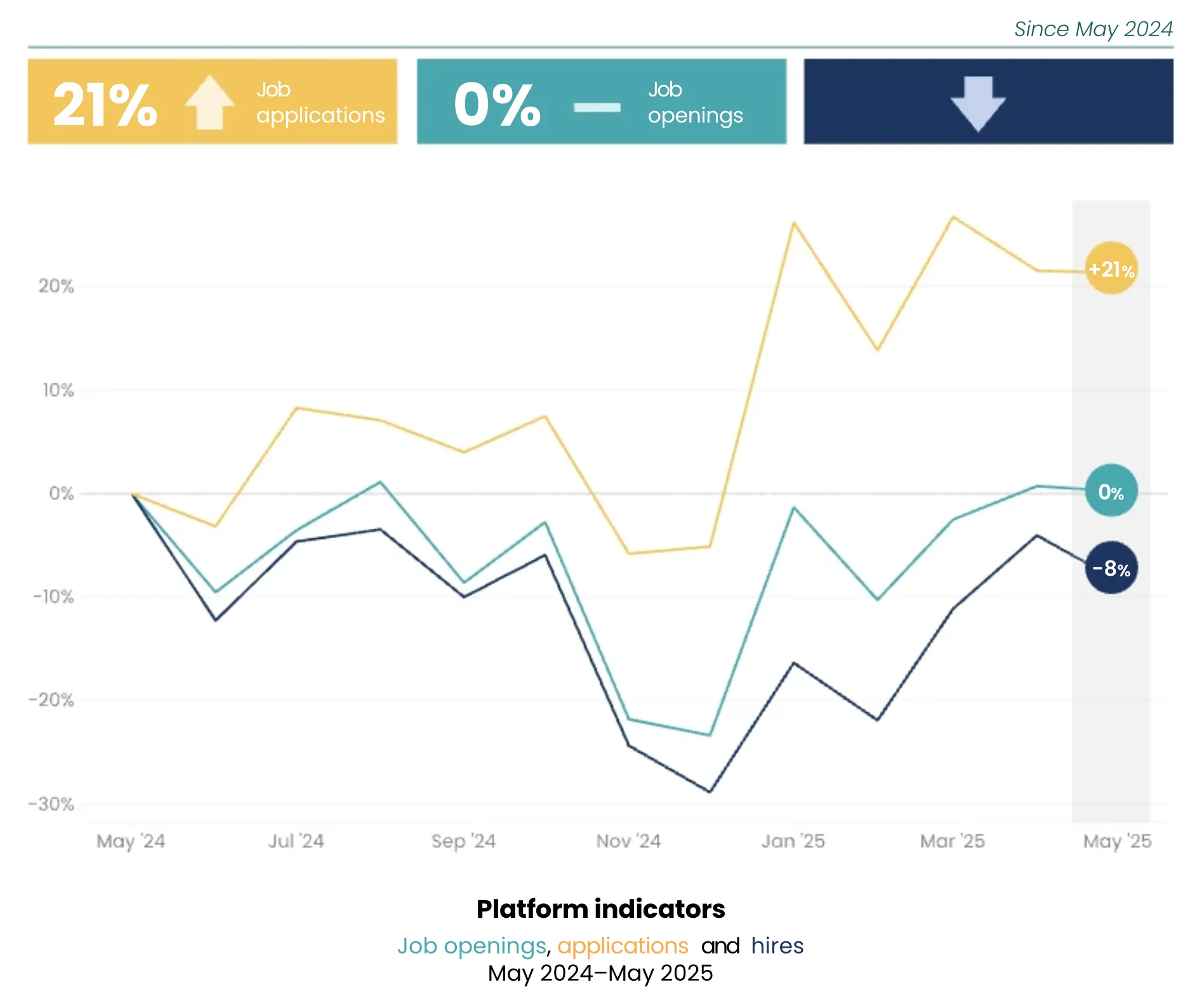
The labor market remains a pillar of economic stability. With unemployment rates hovering at historic lows and job openings at highs, the dynamism of the U.S. labor force is evident. This sector’s vitality underlines the economy’s capacity to adapt and thrive, even amidst global uncertainties.
Technology and Innovation: Fueling Economic Growth
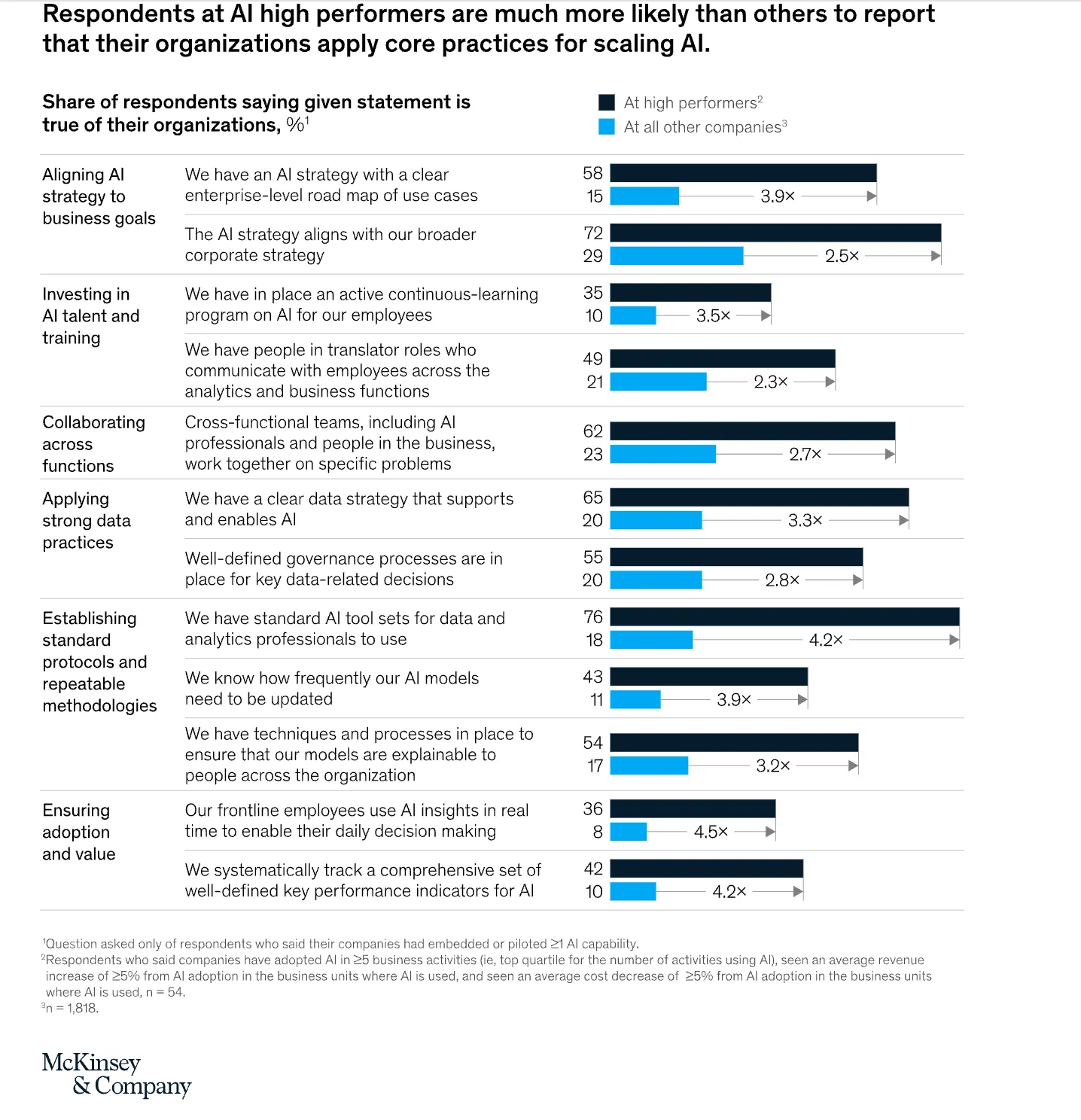
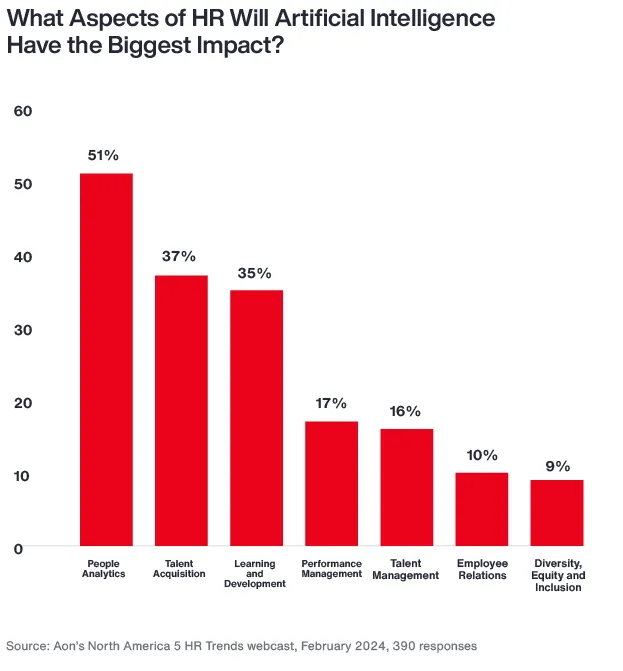
Innovation remains a cornerstone of the U.S. economic landscape. Investment in research and development continues to escalate, particularly in the realms of artificial intelligence, biotechnology, and renewable energy. These areas not only promise substantial economic returns but also ensure the U.S. remains at the forefront of global technological advancement. This impact can have positive impacts on the recruiting economy.
Real Estate and Construction: Indicators of Prosperity
The real estate sector, often seen as a barometer for economic health, displays growth across residential and commercial segments. Construction activity, an early indicator of economic momentum, points to a healthy appetite for development and investment in infrastructure, further dismantling the recession hypothesis.
Financial Markets: Reflecting Economic Optimism
Financial markets in the U.S. have demonstrated resilience, with equity and bond markets rebounding from temporary setbacks. Institutional and retail investors continue to exhibit confidence in the economy’s fundamentals, which is reflected in the robust capital markets.
Fiscal and Monetary Policies: Steering Economic Direction
The synergy between fiscal and monetary policies has been instrumental in stabilizing and steering the U.S. economy. Prudent fiscal spending, combined with a balanced approach to monetary policy by the Federal Reserve, ensures that inflation is kept in check while supporting economic growth.
Conclusion: A Multifaceted Economic Landscape
The United States’ economic landscape is multifaceted and robust. It stands on the pillars of industrial growth, consumer spending, labor market resilience, technological innovation, real estate development, financial market stability, and dynamic trade policies. Together, these elements form a coherent narrative of an economy that is not merely surviving but thriving which is positive for the recruiting economy. The recession, much talked about in speculative circles, is not reflected in the actual economic indicators that depict a narrative of growth and prosperity.
The reports of a U.S. recession, as it stands, are greatly exaggerated. Our analysis paints a picture of an economy with strong fundamentals, poised for sustained growth. It is an economy that continues to defy the odds, underscoring its position as a global economic powerhouse.