TL;DR
Short answer: Transformation has no finish line anymore, because AI has turned change from a project with a beginning and an end into a permanent operating condition. My guest, Tracy Lovejoy of Catalyst Constellations, calls it continuous evolution, and her research with senior executives backs her up.
Key stats you need to know:
- Through 2026, 20% of organizations will use AI to flatten their structure and eliminate more than half of their middle management positions (Gartner).
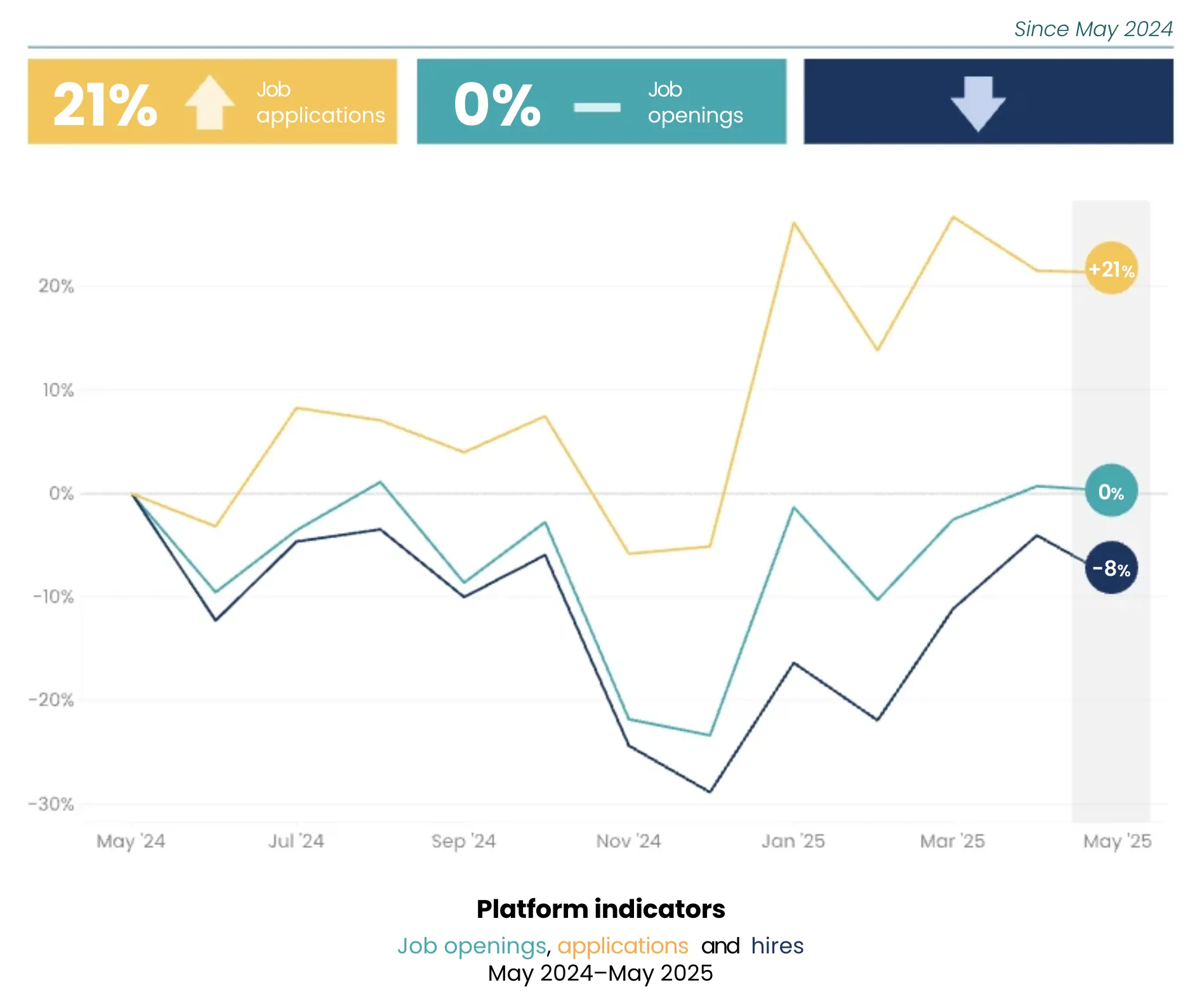
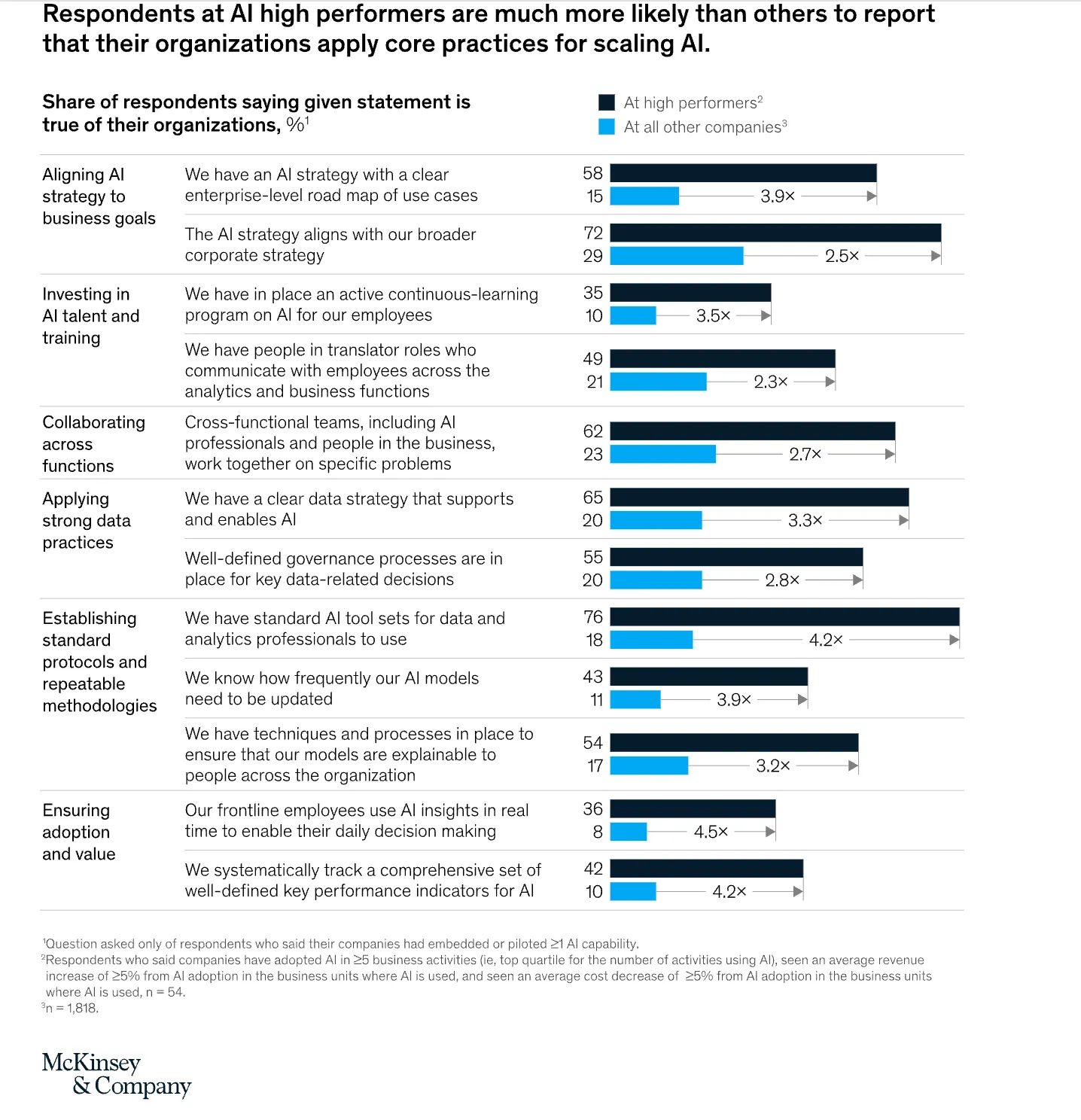
- 62% of organizations are at least experimenting with AI agents, while only 23% are scaling an agentic system in even one business function (McKinsey).
- 94% of IT and HR leaders say a more adaptive, shared approach to workforce planning is now necessary (Cornerstone OnDemand).
The leadership takeaway: Over the next 12 to 24 months, leaders who slow down long enough to get true executive alignment will outperform leaders who buy tools and assume adoption follows.
📺 Watch the full conversation: Tracy Lovejoy on The Human Capitalist (YouTube)
📻 Listen on Spotify: The Human Capitalist Podcast
Why Does Transformation Have No Finish Line Anymore?
Transformation has no finish line because AI changes faster than any change management plan can absorb, and the word transformation itself is now misleading. Tracy's biggest surprise from her research was how universal this realization was among the executives she interviewed.
The problem is vocabulary. Change management implies a beginning, a rollout, and an end. Tracy put it plainly: the changes around us are happening all the time, in parallel paths. A push that used to start in January and end in March simply does not stop anymore.
This matters for leaders because the skill that replaces project management is organizational adaptability. Tracy's research calls this the age of continuous evolution, and it requires three things at once: adaptable executives, adaptable processes, and adaptable systems. I explored the executive mindset side of this in The FutHRist five mindsets.
The macro evidence is not subtle. Gartner predicts that through 2026, 20% of organizations will use AI to flatten their structure and eliminate more than half of their current middle management positions (Gartner). Tracy and I both paused on that number, since she has a child in college and I have a 23 year old finishing a civil engineering master's degree. The fear is real and it is rational.
Why Is Buying AI Tools Not the Same as Transformation?
Buying tools fails because the bottleneck is workforce readiness, not technology. Tracy's report, Transformation at Speed, identified this as one of three core patterns, and the numbers behind it are stark.
McKinsey's State of AI research found that 62% of organizations are at least experimenting with AI agents, while only 23% are scaling an agentic system in even one business function (McKinsey). No single business function has crossed 10% scaling adoption. Tracy's point from the episode is that this gap exists because of what she calls the derailing: maybe you never told me I was supposed to use it, or maybe I fear that if I use it, you will fire me.
Cornerstone OnDemand's research with 2,000 HR and IT leaders explains the organizational side. 94% say a more adaptive, shared approach to workforce planning is necessary, yet only 35% say AI decisions are made jointly by HR and IT (Cornerstone OnDemand). Organizations where HR and IT collaborate closely act on workforce changes 13% faster and are 67% more likely to feel equipped to decide at the pace AI requires.
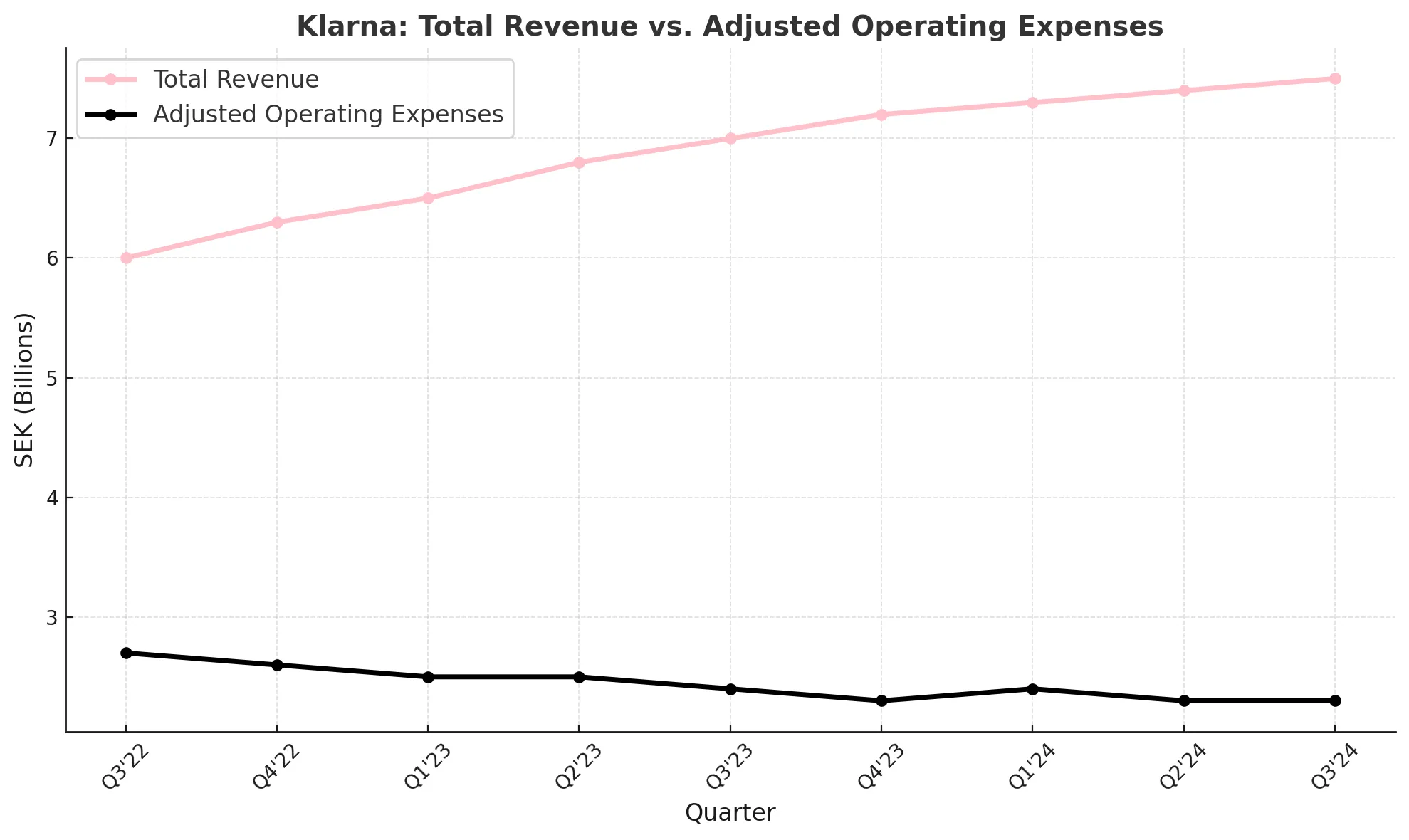
I raised the cautionary example we have all watched play out. Klarna cut its customer support workforce heavily, credited an AI assistant with the work of roughly 700 full-time agents, then spent 2025 hiring humans back after service quality dropped (Futurism). Tracy and I agreed that the deeper problem is not the technology. It is leaders cutting too deep and too fast without asking where the real value of the work sits. My value of work matrix exists for exactly that conversation.
What Are the Three Patterns From the Research?
Tracy's research identified three patterns, and each one deserves a boardroom conversation. I covered the workforce readiness pattern above, so here are the other two.
Pattern one: transformation must be anchored to business value. Executive teams no longer hand out transformation budgets without a clear business problem attached. The backwards version is still everywhere: we need to do AI, so bring it in. Tracy's version is the reverse. Identify where friction occurs, shape the problem you want to solve, then find the tool.
Pattern three: transformation requires collective executive alignment. Tracy's follow-up research calls this Rewiring Needs Active Team. The failure mode is alignment theater, where an executive hears the strategy, does not believe it, and goes back to their team doing something different. Her verdict was blunt: depending on your executives, you either help them develop new mindsets or you shift out your executives.
I added the tool I actually use for this. It is a version of RACI that I call the Daisy, and the questions are simple. Who is doing the work, who is accountable, whose ass is on the line, who needs to be consulted, and who needs to be informed. Tracy and I also talked about the layer below it, which is knowing who you lead with context and who you lead with control. Lunch orders are context. A fire in the building is control.
How Should C-Suite Leaders Respond?
C-suite leaders should respond by slowing down to get aligned, then treating workforce readiness as a shared CHRO and CIO priority rather than an HR initiative. Tracy's closing advice to leaders was one sentence, and it is worth repeating.
- Slow down to get aligned. It feels like there is no time, but moving fast in different directions is slower than moving slightly slower in one direction.
- Anchor every transformation to a business problem. If you cannot name the friction you are removing, you are not ready to buy the tool.
- Make workforce readiness a shared CHRO and CIO mandate. The Cornerstone research shows the payoff is concrete, with a 13% speed advantage and a 67% confidence advantage for organizations that get this right.
- Invest in learning and development again. L&D budgets were slashed after COVID. Tracy's line is the one I would put on a slide: if you don't see investment in AI as investment in humans, you're doing it wrong.
- Redefine the middle manager role, do not just cut it. Tracy's phrase is empathetic sense making. The work of a manager in this era is helping people understand what is coming, name the fear, and see where their strengths fit.
What This Means for You as a Leader
The tension in this episode is the gap between the pace of AI and the pace at which organizations can absorb change. Tools arrive weekly. Workforce readiness moves at a human pace.
Leaders who win will pair a real executive alignment process with a genuine reinvestment in people. Leaders who lose will keep performing transformation for the board, cutting too deep, and hiring the same people back at a premium. Tracy and I both know which group we would rather join.
Tracy Lovejoy is co-founder of Catalyst Constellations and co-author of the book Catalyst. You can find her research, including Transformation at Speed, at Catalyst Constellations. If this conversation raised questions about how your function structures work, I explored a related tension in why HR is becoming irrelevant and in AI readiness and why the gap keeps widening.
Watch the full episode on YouTube or listen on Spotify. And remember to invest in yourself, because no one is going to do it quite like you do.
Resources for HR Leaders
If you found this useful, here's what I've built for HR executives dealing with the same challenges.
- The FutHRist Planner (Free): A planning tool for HR leaders navigating AI-driven transformation.
- AI Ethics in Recruiting (Free): A framework to evaluate AI risk in your hiring stack.
- FutHRist Team Assessment Workbook: Diagnose your team's readiness for the future of work.
- The Value of Work Matrix Toolkit: Quantify workforce decisions and defend your seat at the table.
- Sprint Recruiting Bootcamp: Cut time-to-fill without cutting quality.
- FutHRist Team Workshop Kit: Run a future-of-work strategy session with your HR team.
FAQ
Why does transformation have no finish line anymore?
AI changes faster than any change management plan can absorb, so change is now a permanent operating condition rather than a project. Tracy Lovejoy calls this the age of continuous evolution.
What is the biggest reason AI tool purchases fail?
Workforce readiness is the bottleneck, not technology. People fear that using AI will get them fired, or they were never told they were supposed to use it.
How many organizations are flattening their structure with AI?
Gartner predicts that through 2026, 20% of organizations will use AI to flatten their structure and eliminate more than half of their current middle management positions.
What did Tracy Lovejoy's research find?
Her report, Transformation at Speed, identified three patterns: transformation must be anchored to business value, workforce readiness has become an execution constraint, and ownership is shifting toward collective executive alignment.
What is alignment theater?
Alignment theater is when an executive hears a strategy, does not believe it, and returns to their team doing something different. Tracy's research found it is a major cause of organizations moving in multiple directions at once.
What should a CHRO do first?
Make workforce readiness a shared priority with the CIO, not an HR initiative. Then anchor every transformation to a named business problem before buying any tool.