The AGILE methodology has been around for a while in the software and product development space but has begun transcending into other aspects of business. The AGILE principles were part of the inspiration of Sprint Recruiting. The very first principle of AGILE has helped enhanced organization's ability to iterate during the sprint and is one of the four principles of Sprint. It's perhaps one of the most powerful ways to enhance your recruiting processes and candidate/manager experience.
"Our highest priority is to satisfy the customer through early and continuous delivery of valuable software."
— AGILE Manifesto
One of my favorite companies to learn about is Netflix. I guess since I have been addicted to their product since 2008, I am always curious as to how the company continues to raise the bar. One of the product deliverables I am obsessed with as a client is the ability of the platform to know what I might want to watch next.
Think back to a time before Netflix. Maybe you just finished a series about the English dynasty that led to the crowning of Elizabeth the I. You might find yourself a little depressed that the series came to an end but decide to find something equally as appealing. Prior to Netflix, clients would stand in the isles of a Blockbuster, aimlessly looking at titles to find something of interest. Some might engage an employee to get recommendations but the value of that recommendation was largely dependent on a mutual love for royal drama series. The chances you would walk out of the store with a series you would enjoy was roughly 50/50.
Now, let's think about how Netflix approaches this problem. The platform recognizes that you completed a three season series on the subject in a recent binge watching weekend. Rather than hopelessly scouring the list of titles in the Netflix library, the platform suggests five new series that are similar to the one you just completed.
You didn't have to ask anyone for help or wonder how in the world you'd replace the characters you fell in love with. Netflix just knows what would be the best recommendation for you. For me, it saves me time and the headache of trying to determine which series I should binge next. It's right there on the screen and all I have to do is play.
Iterative Feedback
Iterative feedback is one of the transformational behaviors organizations have experienced when implementing Sprint Recruiting. The feedback loop in the recruiting process is critical to the success of the sprint. It must be as quick and efficient as possible to ensure the sprint is successful. When you place feedback requirements and deadlines, you will begin to notice slight efficiencies early on. It's when both the recruiter and the hiring manager solidify their partnership and commitment to achieving success in the sprint that the fun really starts.
- Managers become trained to know that in order to see more candidates, they have to open slots in the WIP limit with feedback.
- Recruiters become addicted to moving candidates through the process to close positions and collect points so they create innovative ways to hold managers to the deadline.
- Candidates benefit the most by enjoying a quicker hiring process or by receiving the necessary feedback to grow in their career.
According to Harvard Business Review, organizations that implement agile methodologies see up to 60% increase in productivity and 25% improvement in team morale. When applied to recruiting, these benefits translate directly to faster hiring cycles and better candidate experiences.
Each sprint, we meet with our client to discuss the following:
- What worked last sprint that we can scale?
- What were the obstacles we need to address and avoid in the future?
- What did we learn as a team to apply to future sprints?
This agenda never changes so the ability for our clients and recruiters to meet bi-weekly to discuss provides the organization the opportunity to iterate quickly. This principle allows us to respond quicker to market changes, business needs and candidate feedback. A broken feedback loop only complicates your recruiting process and can have serious effects on your employer brand.
The Society for Human Resource Management (SHRM) reports that companies using agile recruiting methods reduce their time-to-hire by an average of 37%, giving them a significant competitive advantage in securing top talent in fast-moving markets.
Building Trust Through Consistent Feedback
Building trust in the recruiting process is essential for long-term success. The consistent feedback mechanism built into the agile approach creates transparency and accountability that strengthens relationships between recruiters and hiring managers. According to a McKinsey study, this trust-building aspect of agile methodologies is one of the key factors in successful organizational transformations.
Implementing Tools for Success
To maximize the benefits of agile recruiting, many organizations implement specialized tools to track progress and facilitate feedback. A team matrix tool can help visualize workflow, identify bottlenecks, and maintain appropriate WIP (Work In Progress) limits. This visual management approach, borrowed from kanban systems, ensures that teams focus on moving candidates through the pipeline efficiently rather than simply adding more candidates to the process.
Learning from Failure
As with any methodology, implementation isn't always perfect. The beauty of the agile approach is that it embraces failure as a learning opportunity. By examining what didn't work in previous sprints, teams can make continuous improvements. This growth mindset aligns with the 7 lessons from failure in recruiting that experienced talent acquisition professionals have identified.
The Agile Alliance emphasizes that responding to change over following a plan is a core principle. In recruiting, this means being able to quickly pivot strategies based on market conditions, candidate feedback, or changing business priorities.
The Future of Agile Recruiting
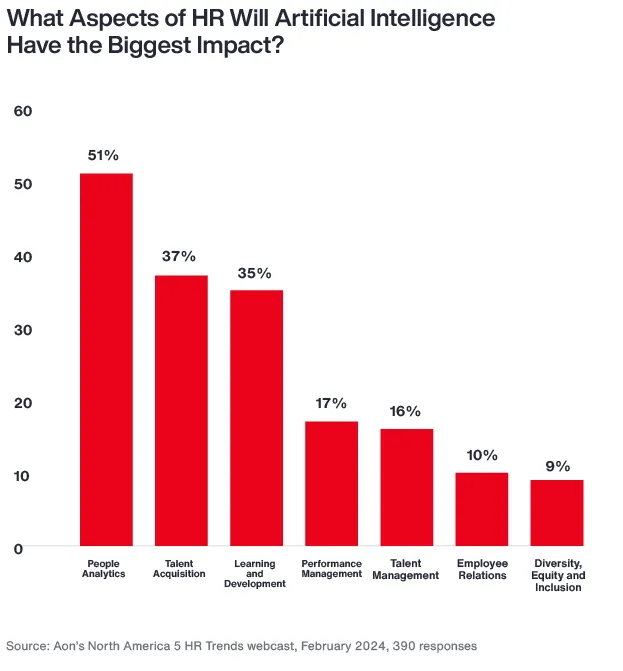
As technology continues to evolve, so too will agile recruiting methodologies. The integration of AI in recruitment processes promises to further streamline feedback mechanisms and improve candidate matching. According to a Deloitte study on HR technology trends, organizations that combine agile methodologies with AI-powered tools are seeing significant improvements in quality of hire and recruitment efficiency.
A commitment to feedback and continuous delivery of value to your clients will allow you to become more like Netflix and less like its predecessor Blockbuster. Moving quickly can be a great competitive edge but only when you're quick to move on feedback received during the sprint. It's allowed organizations who use Sprint recruiting to not only iterate but innovate and accelerate their recruiting success.
Want to learn more about innovative recruiting strategies? Check out our articles on providing effective recruiter feedback and startup recruiting tactics.